
You’ll create a calm, lived-in space by layering warm neutrals, soft textures, and pared-back shapes that feel intentional rather than sparse. Think creams, greiges, linen, bouclé, rounded furniture, and hidden storage that keeps surfaces serene. I’ll walk you through 22 practical ideas to build that quiet, tactile look and ease visual clutter—so you can finish with a room that breathes and still feels warmly composed.
Embrace a Warm Neutral Base
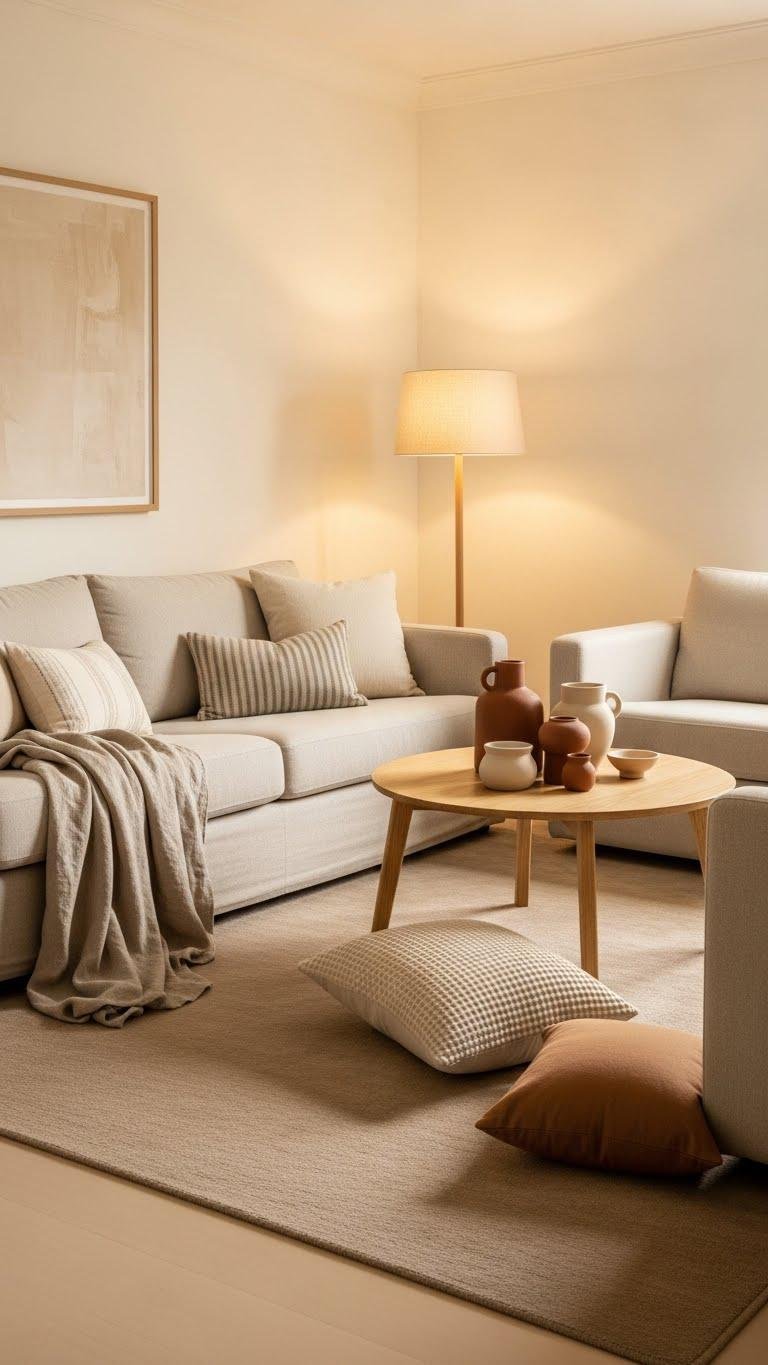
When you choose a warm neutral base, you set a soft, inviting foundation that makes every piece feel intentional. You’ll favor a muted palette—creams, warm greiges, soft browns—that frees visual noise and calms the mind. Pair simple silhouettes with tactile accents like linen throws or matte ceramics to keep things grounded. This approach lets your space breathe, feel contemporary, and stay effortlessly personal.
Layer Textures for Depth
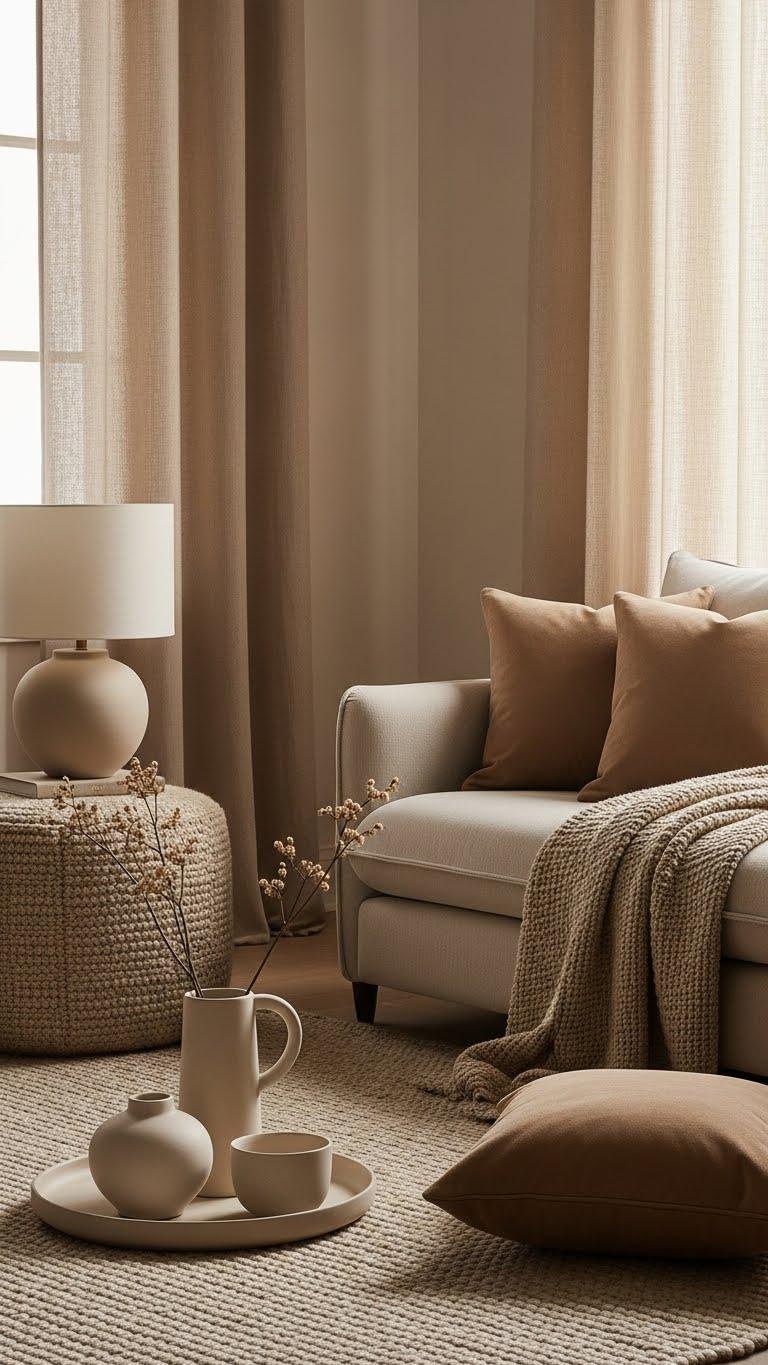
Texture brings a room to life, so layer tactile elements—wool rugs, nubby linens, suede cushions, and matte ceramics—to create visual richness without clutter.
You’ll use ambient textiles to soften light and sound, mixing tactile contrasts like boucle against linen for subtle drama. Choose pieces that feel unforced, let breathability and movement guide placement, and keep the palette calm for effortless, freeing elegance.
Choose Rounded, Organic Furniture
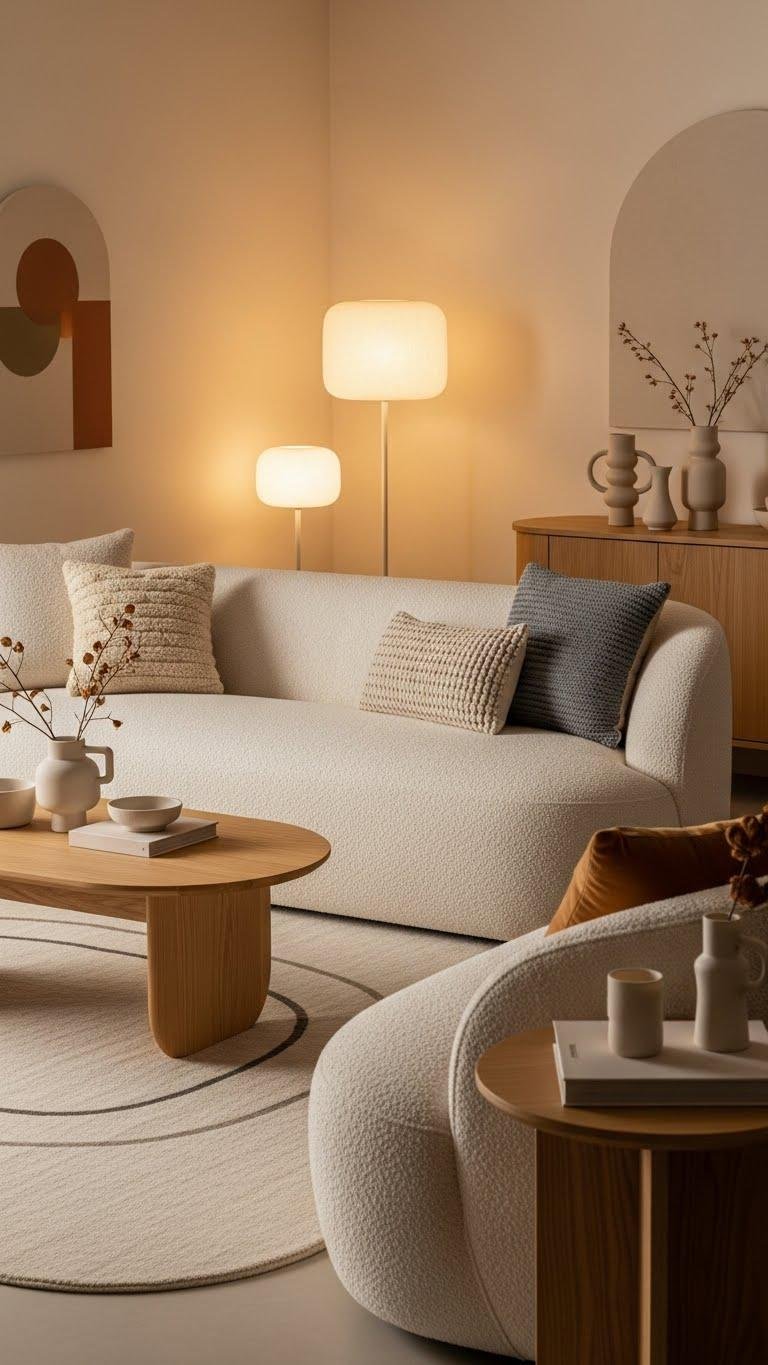
Curves soften a room and invite you in, so opt for rounded, organic furniture that balances the soft minimal palette without adding visual weight. Choose pieces with curved silhouettes and organic proportions to create flow.
Embrace tactile upholstery for comfort and sensory joy, and pair with rounded lighting to maintain softness. You’ll feel freer in a space that hugs rather than confines.
Streamline With Clean Functional Lines
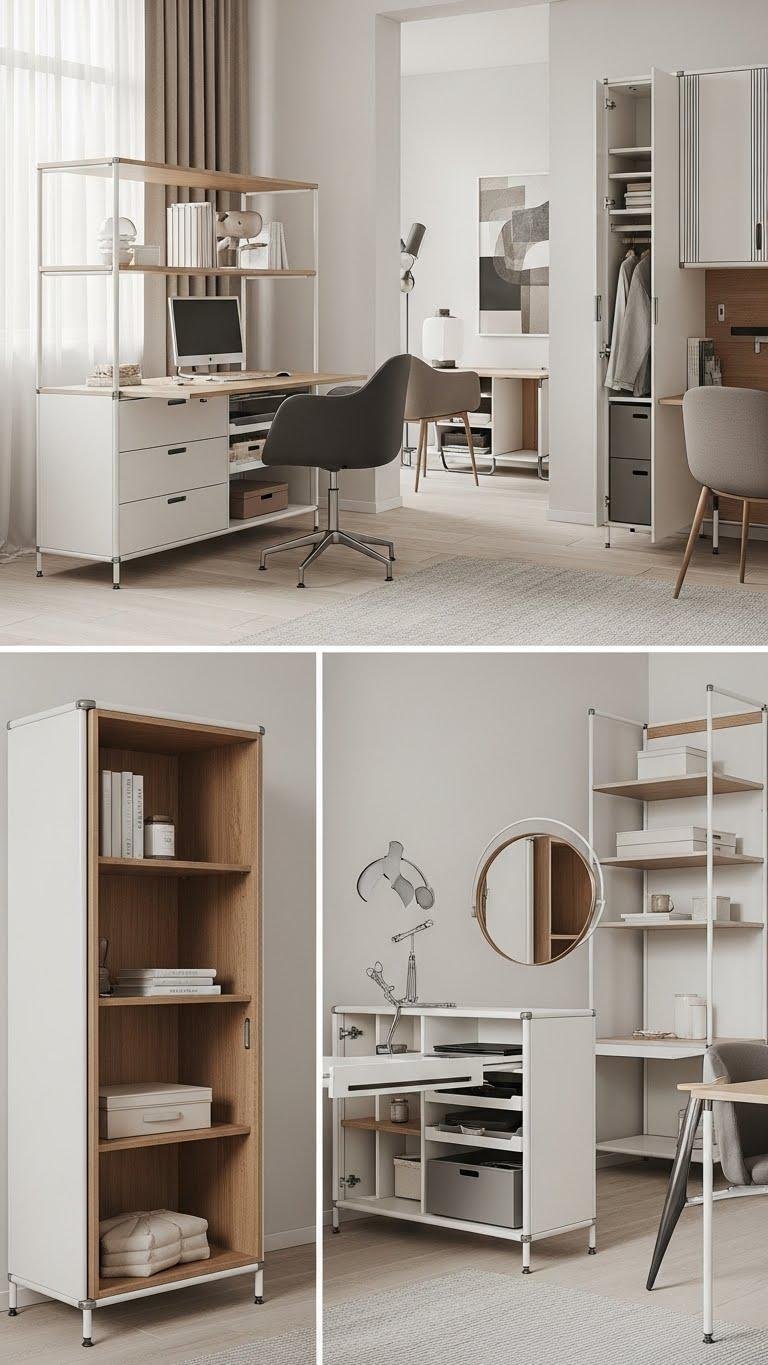
Choose furniture and fixtures with purposeful profiles and honest materials so every line earns its place. You’ll favor modular storage and clean silhouettes that free visual space, using hidden hardware and adjustable shelving for function without fuss.
Rounded corners soften edges while preserving minimalism, letting you move freely within a calm layout that’s efficient, modern, and quietly expressive.
Bring in Natural Wood Elements

Drawing warmth into a pared-back scheme, natural wood grounds the room with quiet character and lasting tactility. You’ll choose pieces with sustainable sourcing and reclaimed timber to honor simplicity and freedom.
Add live edge accents for organic lines and select bamboo laminates where durability meets lightness. Let textures speak quietly, balancing minimal form with tactile warmth that invites relaxed, uncluttered living.
Use Soft, Diffused Lighting
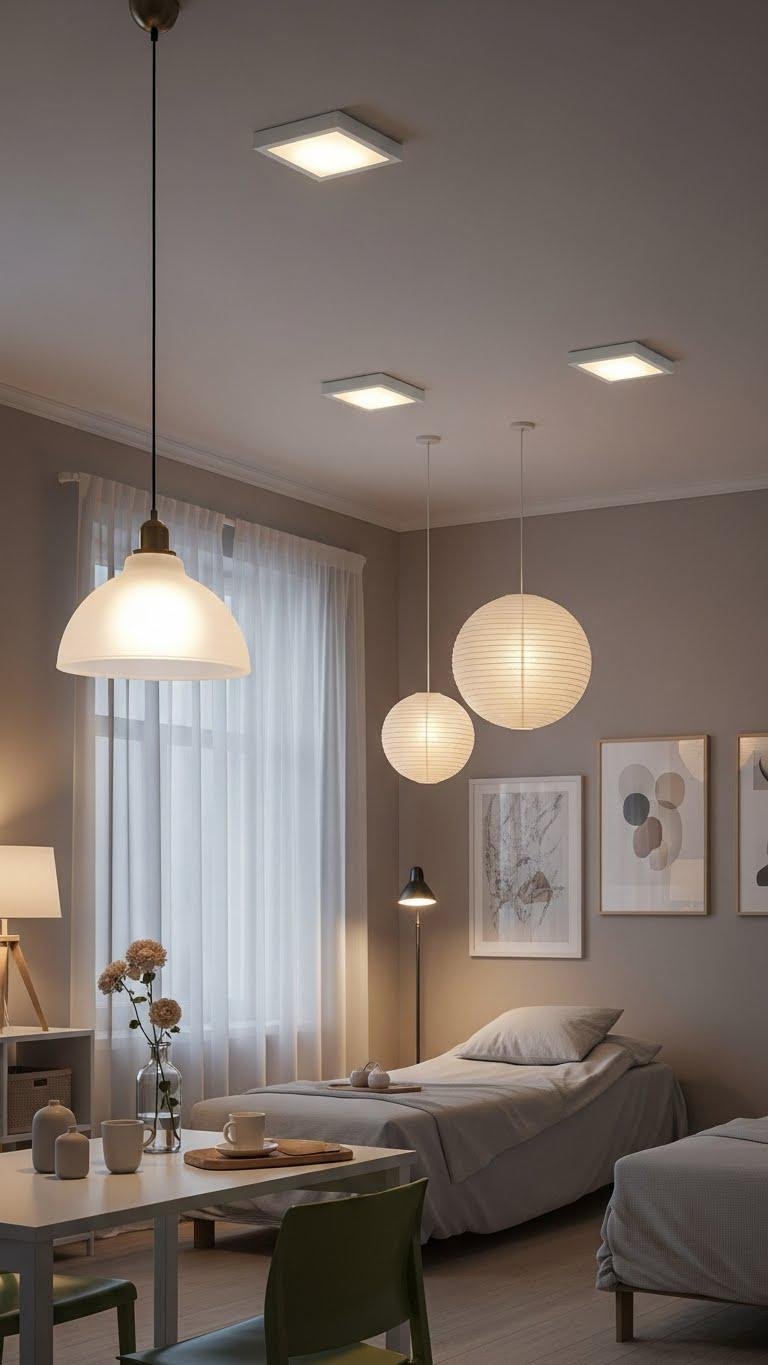
When you soften overhead glare with diffused sources, the room feels calmer and every material reads truer; opt for frosted shades, paper pendants, or recessed LEDs with dimmers to wash the space in even, flattering light.
You’ll choose warm dimmers and paper lanterns to craft adaptable moods, letting you control intimacy, focus, and freedom of use while keeping the palette minimal and serene.
Limit Color Pops to One Accent
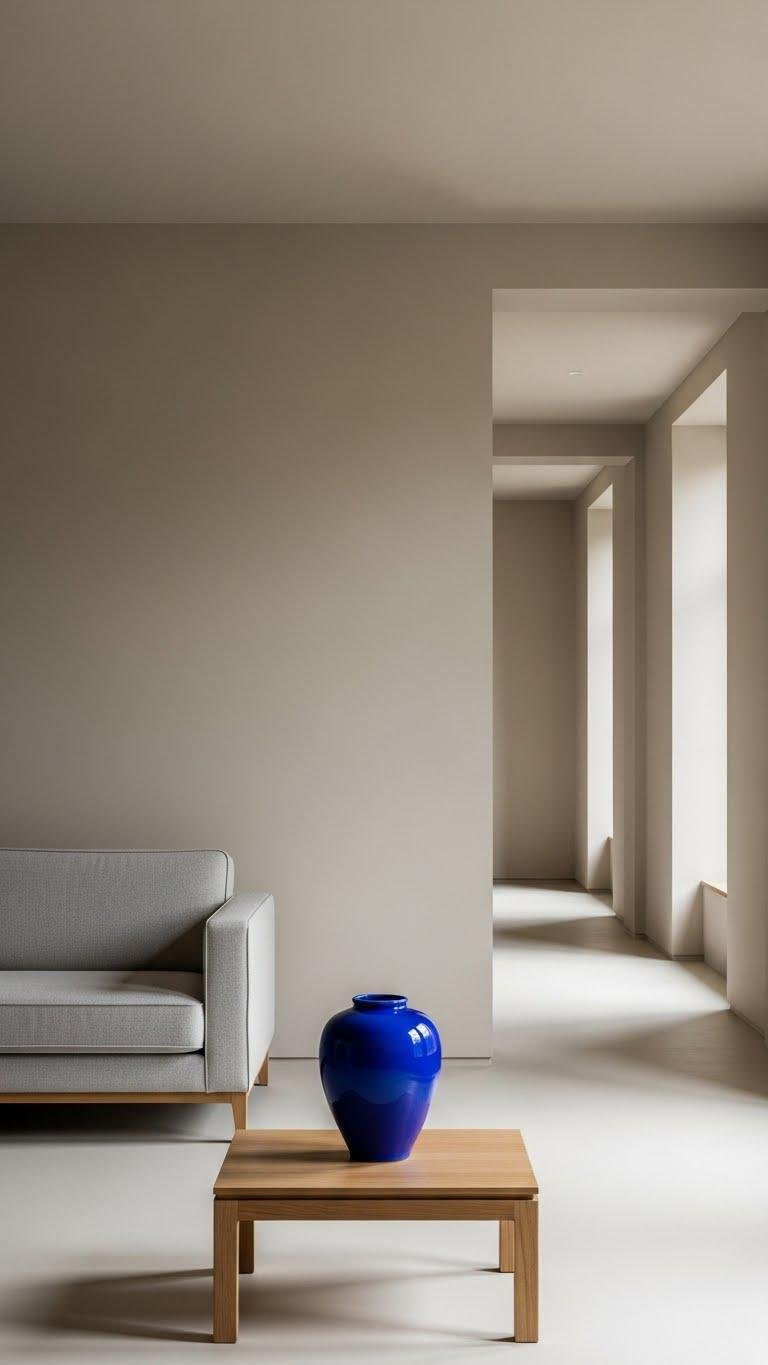
If you want a calm, cohesive look, stick to a single accent color — let everything else stay muted so that one tone can hold the room together. You’ll choose a muted accent with limited saturation, use deliberate accent placement, and practice focal restraint. That single pop guides the eye, preserves openness, and gives you freedom to change mood without cluttering the space.
Opt for Minimal, High‑Quality Pieces

Choose fewer pieces and make each one count: pick furniture and accessories with clean lines, honest materials, and lasting craftsmanship so your space reads calm rather than cluttered.
You’ll favor timeless craftsmanship and sustainable sourcing, selecting versatile silhouettes that move with you. Invest in classic forms, neutral palettes, and tactile fabrics that free your routine, reduce decision fatigue, and let light and silence breathe.
Incorporate Stone and Concrete Accents
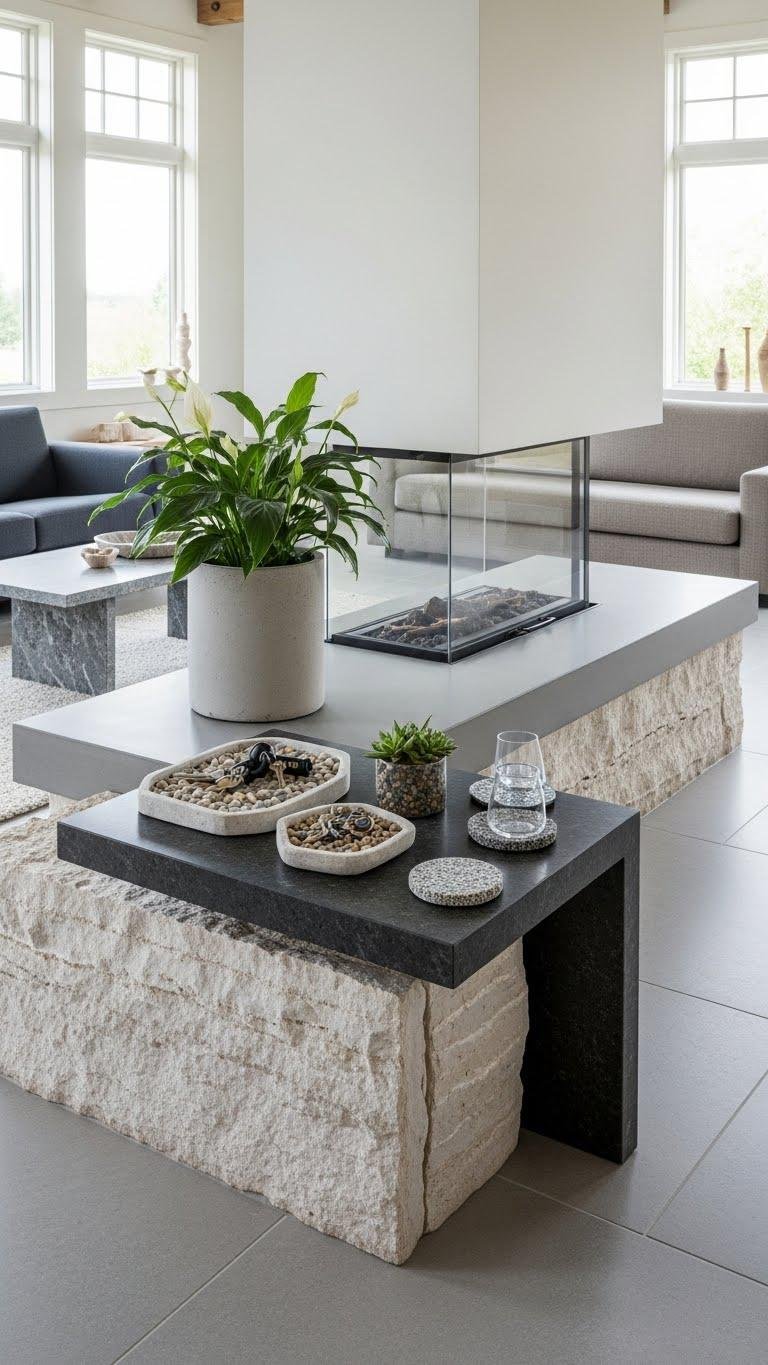
Because natural stone and honed concrete bring tactile weight without visual clutter, introduce them as purposeful accents — a sculptural fireplace hearth, a matte countertop, or a slender stone side table.
You’ll layer simple textures: tactile pebble trays for keys and plants, polished aggregate coasters for drinks, and a concrete planter. These elements ground the room while keeping airiness and freedom intact.
Add Woven Rugs for Warmth

Stone and concrete bring grounded texture, and woven rugs will soften that weight while keeping the palette calm. You’ll layer handwoven accents to define zones, choosing muted tones and subtle patterns that move the eye without clutter. A vintage kilim or neutral sisal anchors seating, invites barefoot moments, and keeps your space open, airy, and personal — minimalist warmth with a free, lived-in feel.
Select Linen and Wool Textiles
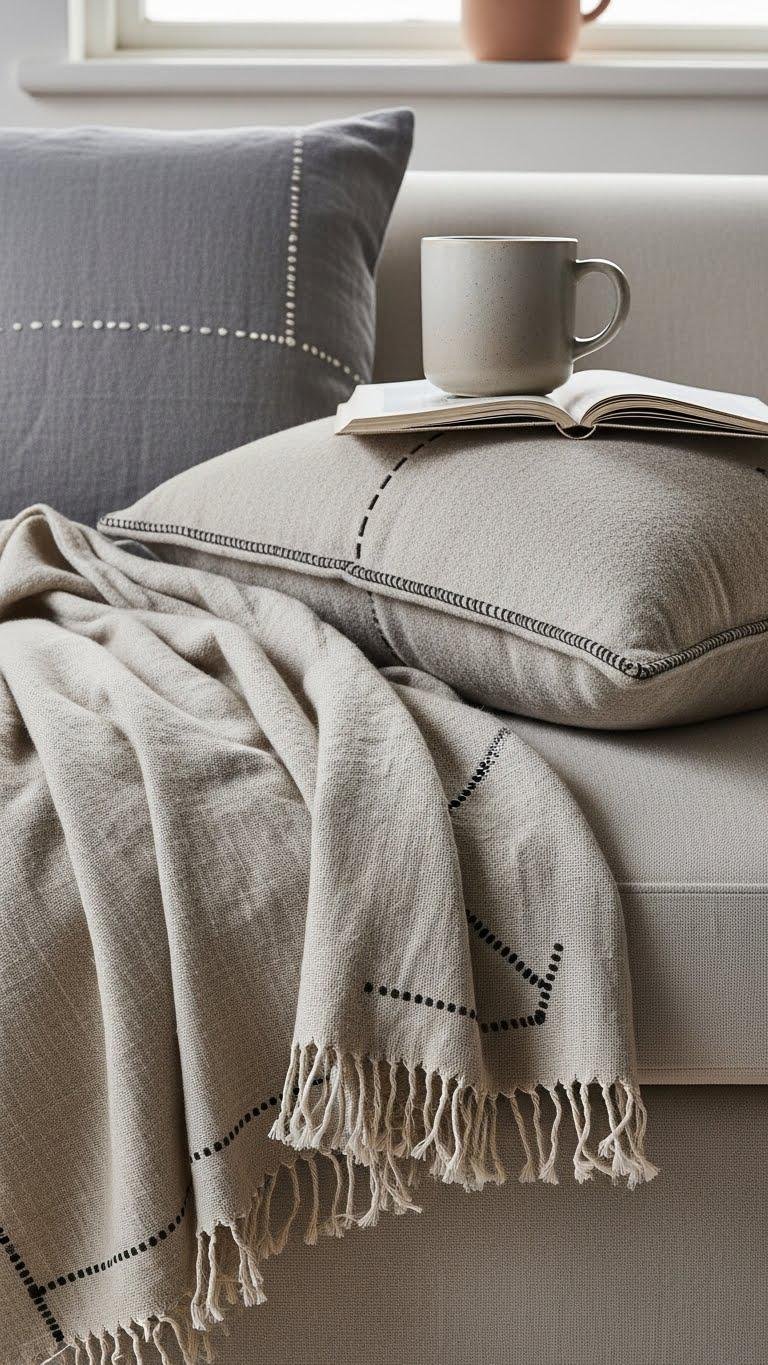
Reach for breathable linens and soft wools to soften hard surfaces and add tactile depth; linen’s slubby drape keeps things effortless while wool brings cozy structure and long-lasting warmth. You’ll choose pieces with subtle hand stitched detailing and muted tones from organic dyeing methods, pairing lightweight throws and structured cushions. Let textures free movement, keep silhouettes pared-back, and prioritize comfort as a quiet luxury.
Create Calm With Monochromatic Schemes
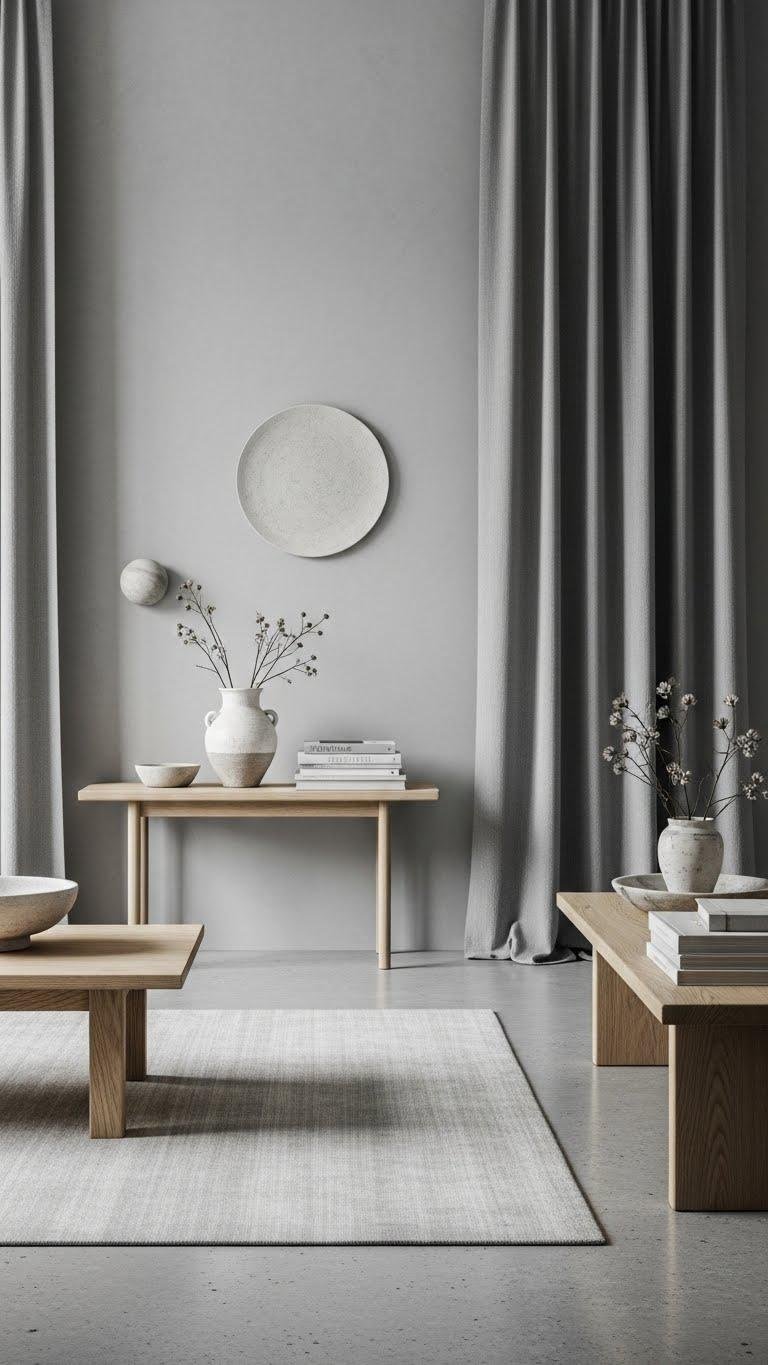
When you limit a palette to a single hue and its nearest relatives, your room breathes more easily and noise melts away; subtle shifts in tone, texture, and finish create depth without competing for attention. Choose soft gray as a base, then layer tonal textures—matte plaster, brushed linen, warm wood—so you can move freely, declutter visual noise, and let calm become the room’s signature.
Place Plants Strategically for Life
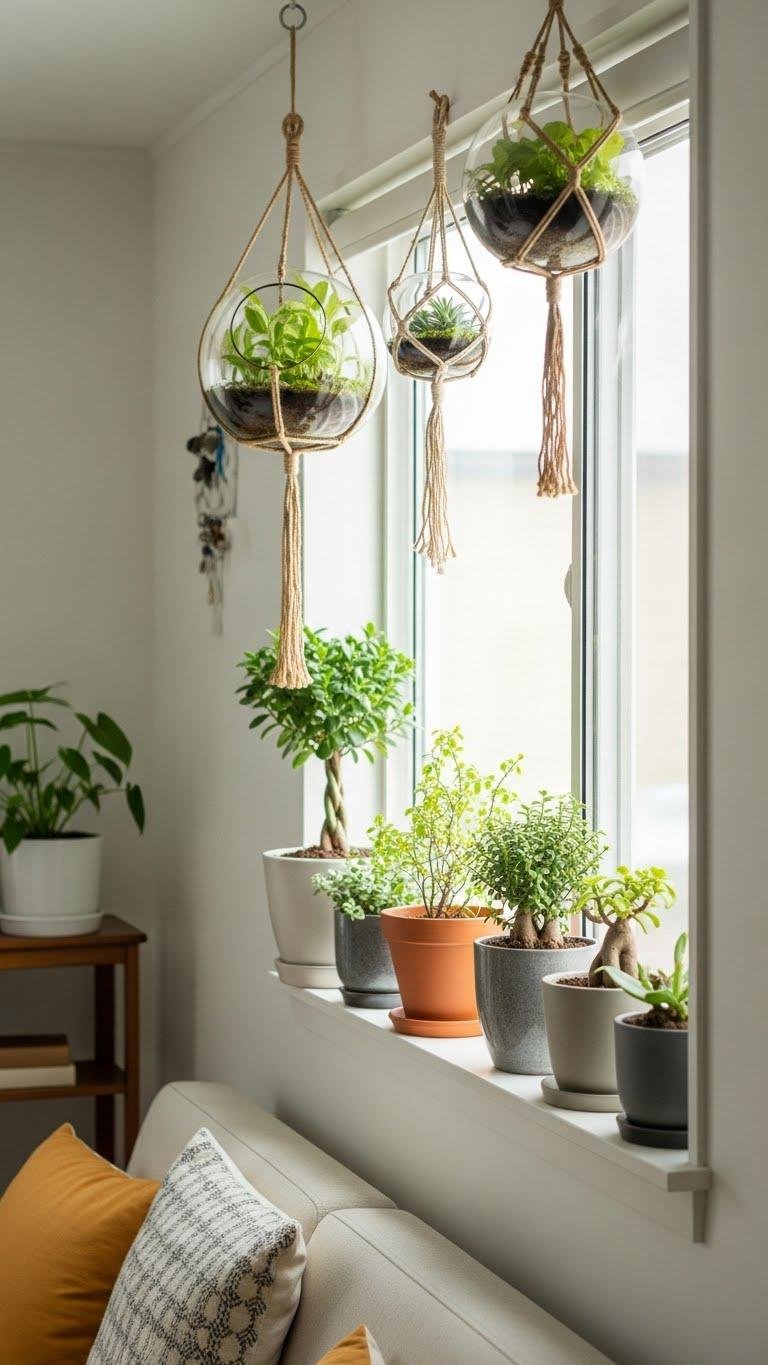
With a few well-placed plants, you’ll introduce instant life and softness that balances a pared-back palette. Place low-maintenance pots on a sunny window sill, choose pet friendly varieties, and suspend hanging terrariums to free floor space.
Rotate and adjust light with seasonal care, pruning for shape. You’ll craft a breathable, calm room that feels effortless and lived-in.
Keep Surfaces Clutter‑Free
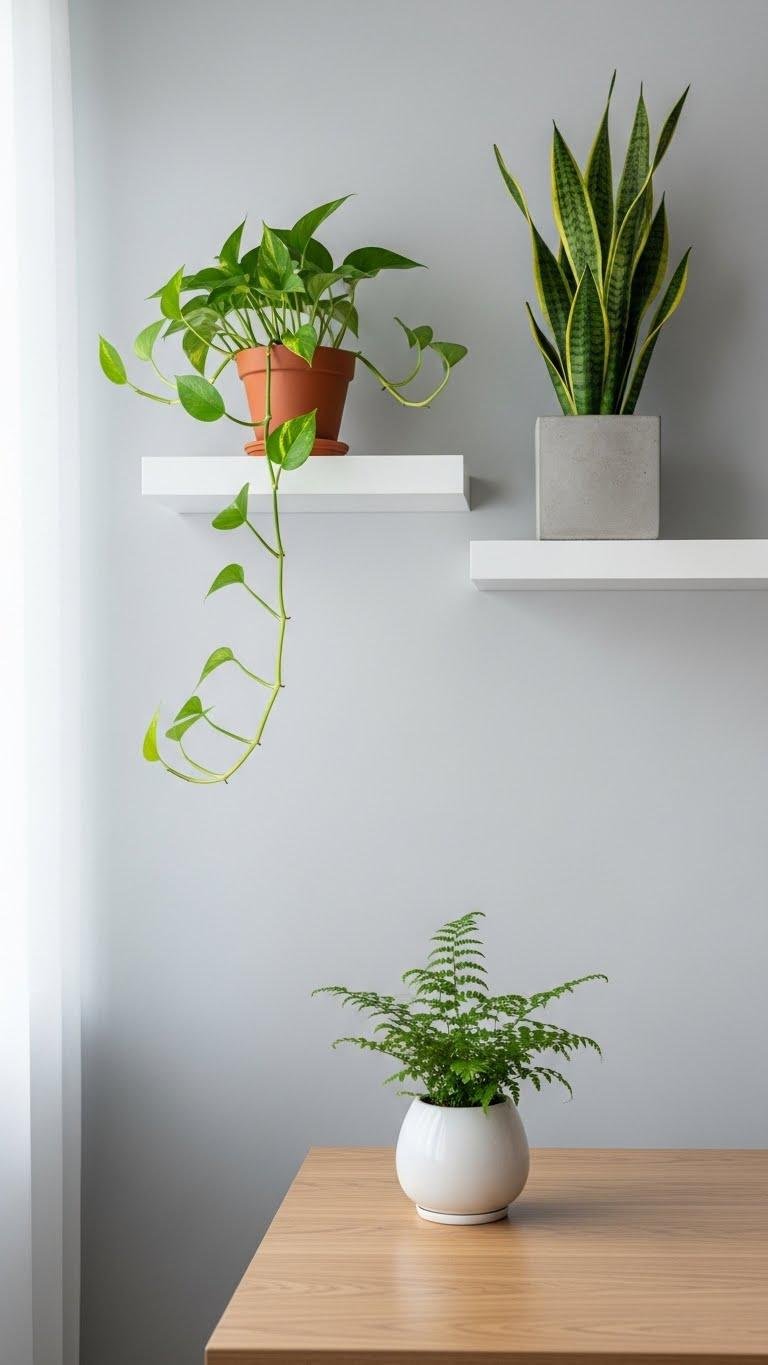
Plants bring softness, but they read best against clean surfaces — clear counters, tabletops and shelves let each piece breathe. You’ll keep essentials minimal, stash extras out of sight, and commit to simple daily maintenance that prevents build-up. That discipline creates sensory reduction, freeing your mind and space. Choose a few curated objects, rotate them, and enjoy the uncluttered calm.
Layer Rugs to Define Zones
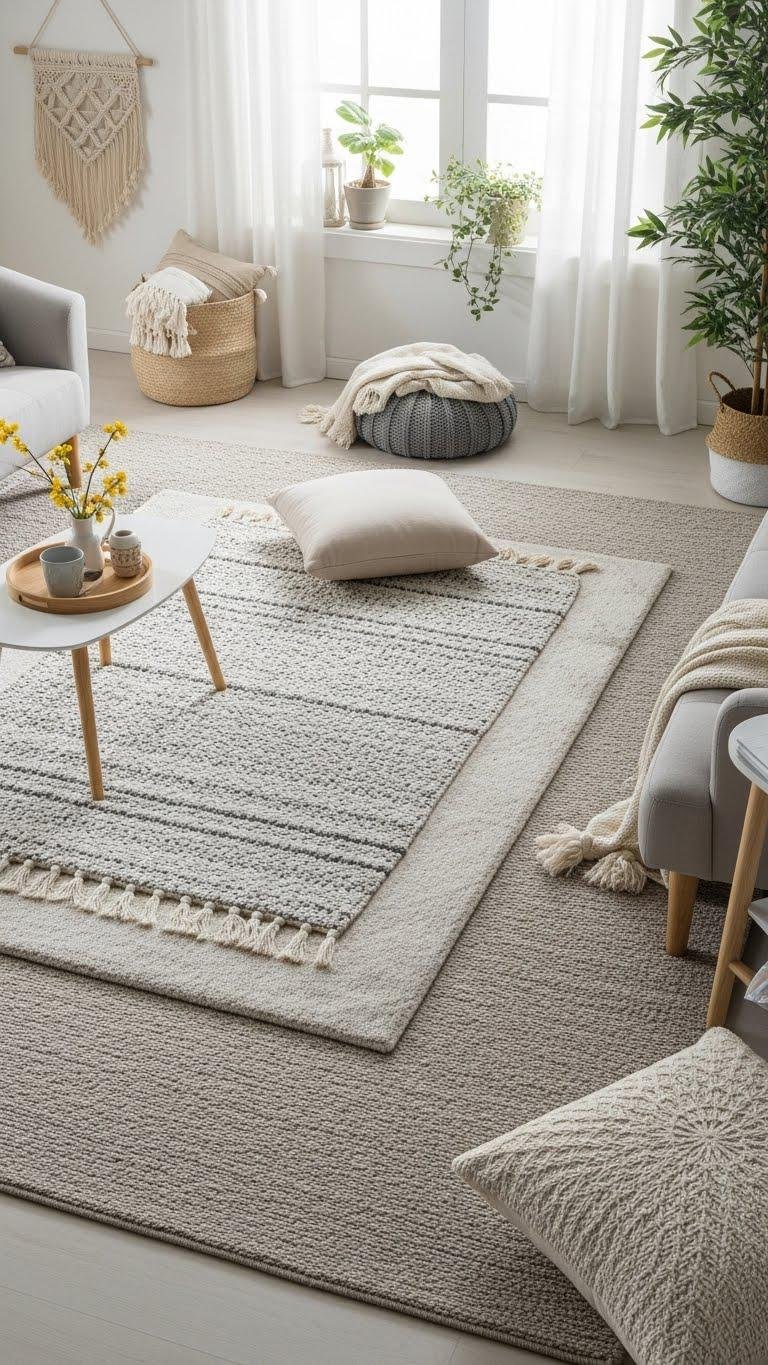
Layer rugs to anchor areas and add soft depth — start with a neutral base rug and top it with a smaller, textured or patterned piece to define seating, dining, or reading zones. You’ll create clear visual anchors while maintaining open traffic lanes. Choose light, tactile layers that feel free and airy, balancing scale and color for a calm, modern look that invites movement.
Use Subtle Patterning Sparingly
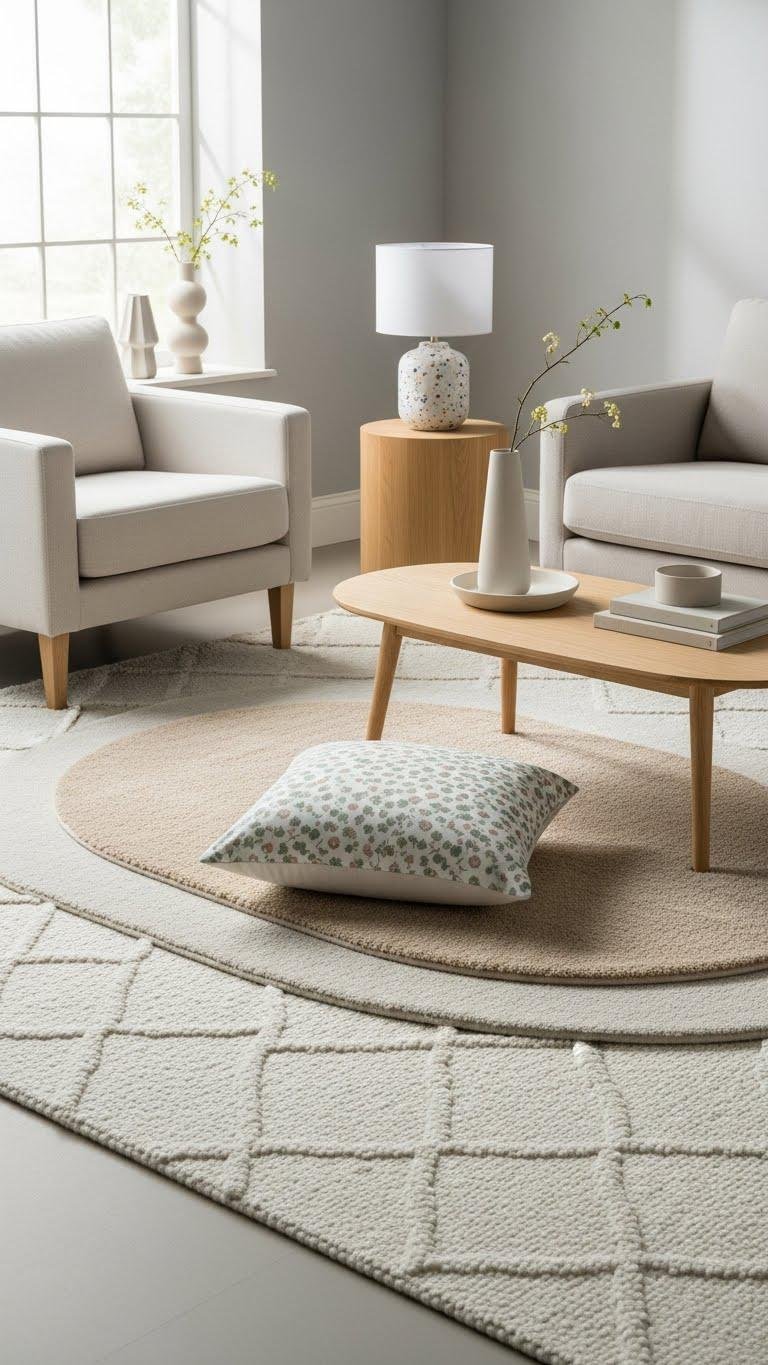
Once you’ve anchored a seating area with layered rugs, introduce pattern sparingly to keep the calm you’ve created.
Choose one accent—a cushion or lamp—with delicate terrazzo or micro florals to whisper interest without crowding the room.
You’ll keep lines clean, let light breathe, and enjoy a liberated, serene space where subtle pattern feels intentional, not overwhelming.
Introduce Rounded Mirrors and Shapes
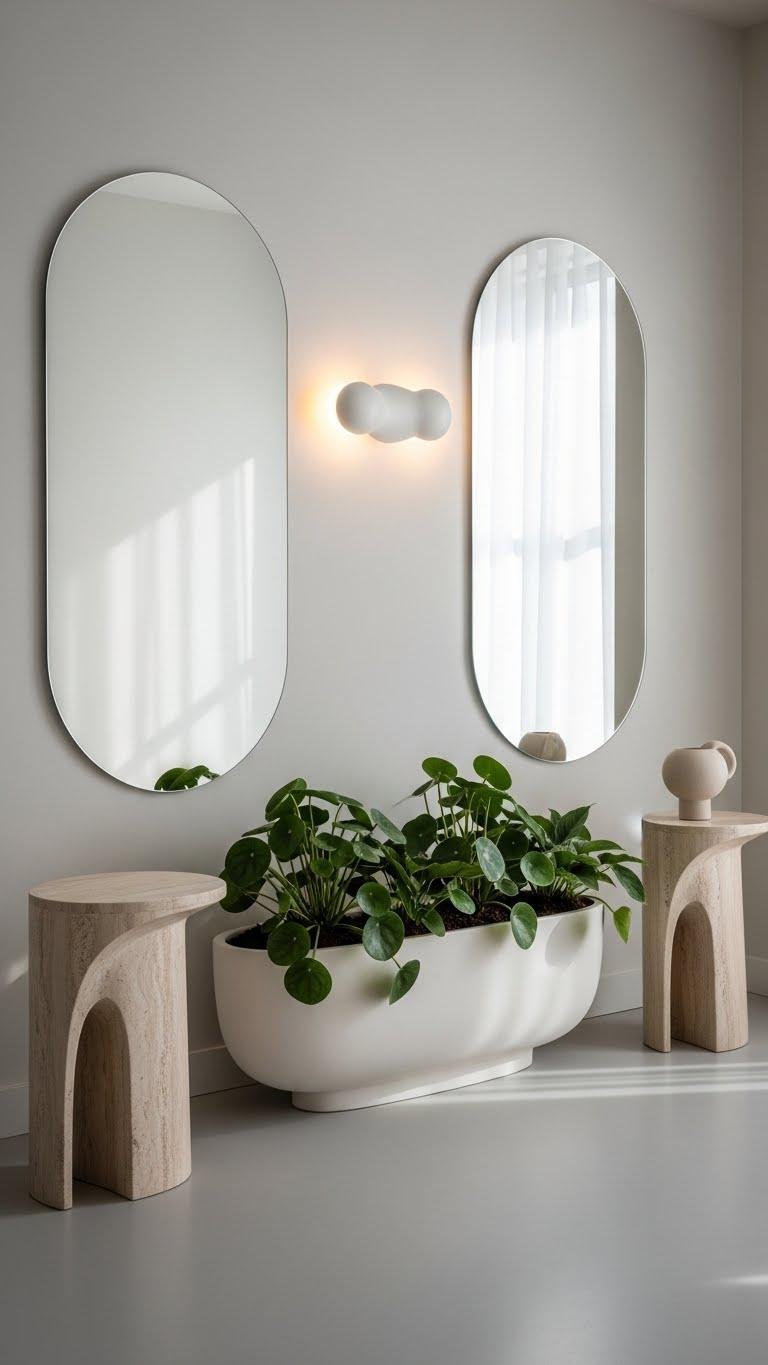
Why not soften hard lines with rounded mirrors and curving forms? You’ll create calm, airy corners by pairing rounded sconces with oval mirrors, letting light glide gently.
Choose curved planters and sculpted side tables to echo those shapes, keeping surfaces uncluttered. The result feels modern yet relaxed, letting you move freely in a room designed for ease and quiet confidence.
Choose Soft Drapery Over Heavy Curtains

Want a softer, more modern vibe? Swap heavy curtains for sheer panels that keep spaces airy and light. You’ll enjoy light filtering that still protects privacy while feeling free.
Choose tailored shirring or soft pleating for a refined, minimal silhouette. These details create calm, breathable rooms that feel contemporary and liberated without clutter or weight.
Combine Metal and Glass for Lightness
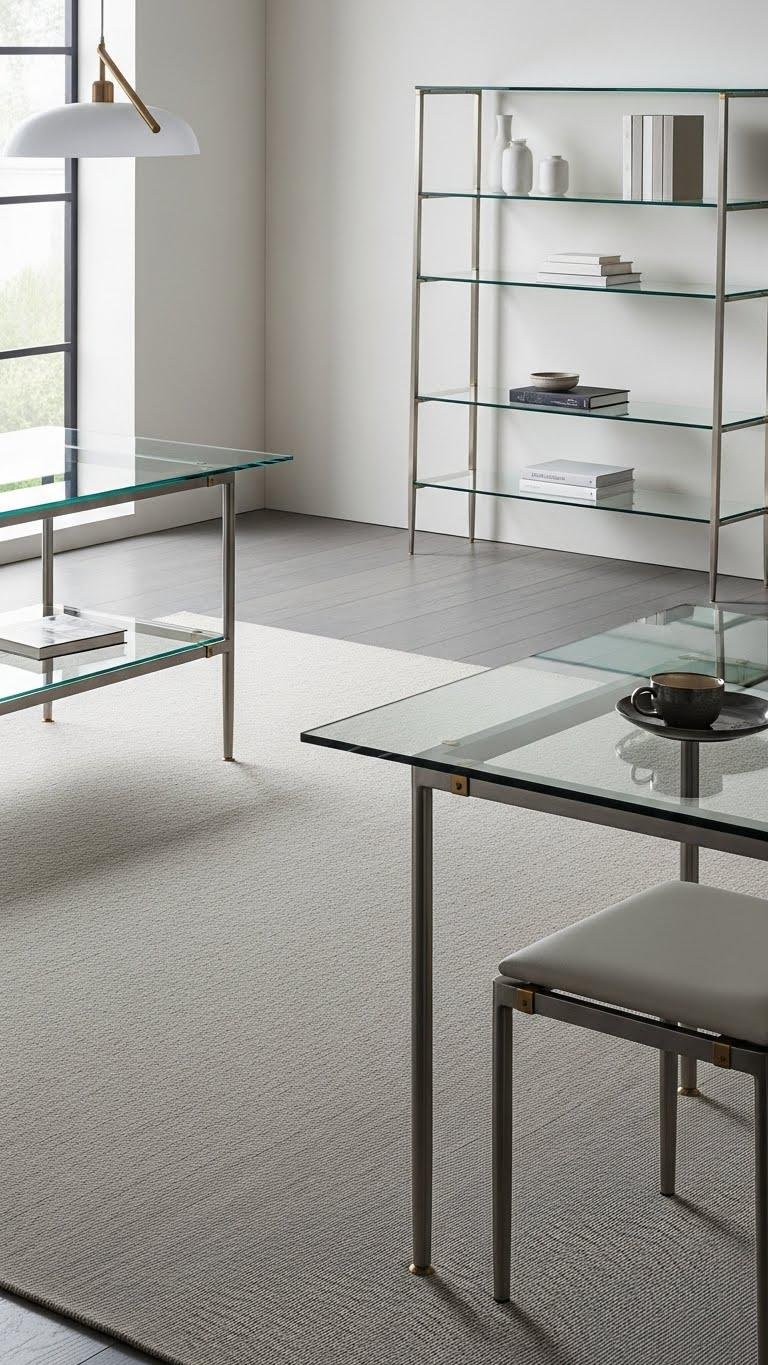
Combine slim metal frames with glass surfaces to keep rooms feeling open and refined; the contrast of cool metal and transparent planes gives furniture a visual lightness that reads modern and minimal.
You’ll favor tempered transparency for tabletops and shelving, letting light travel while staying practical. Add subtle brass accents on legs or pulls to inject warmth and freedom without weighing the composition down.
Use Single Statement Artwork
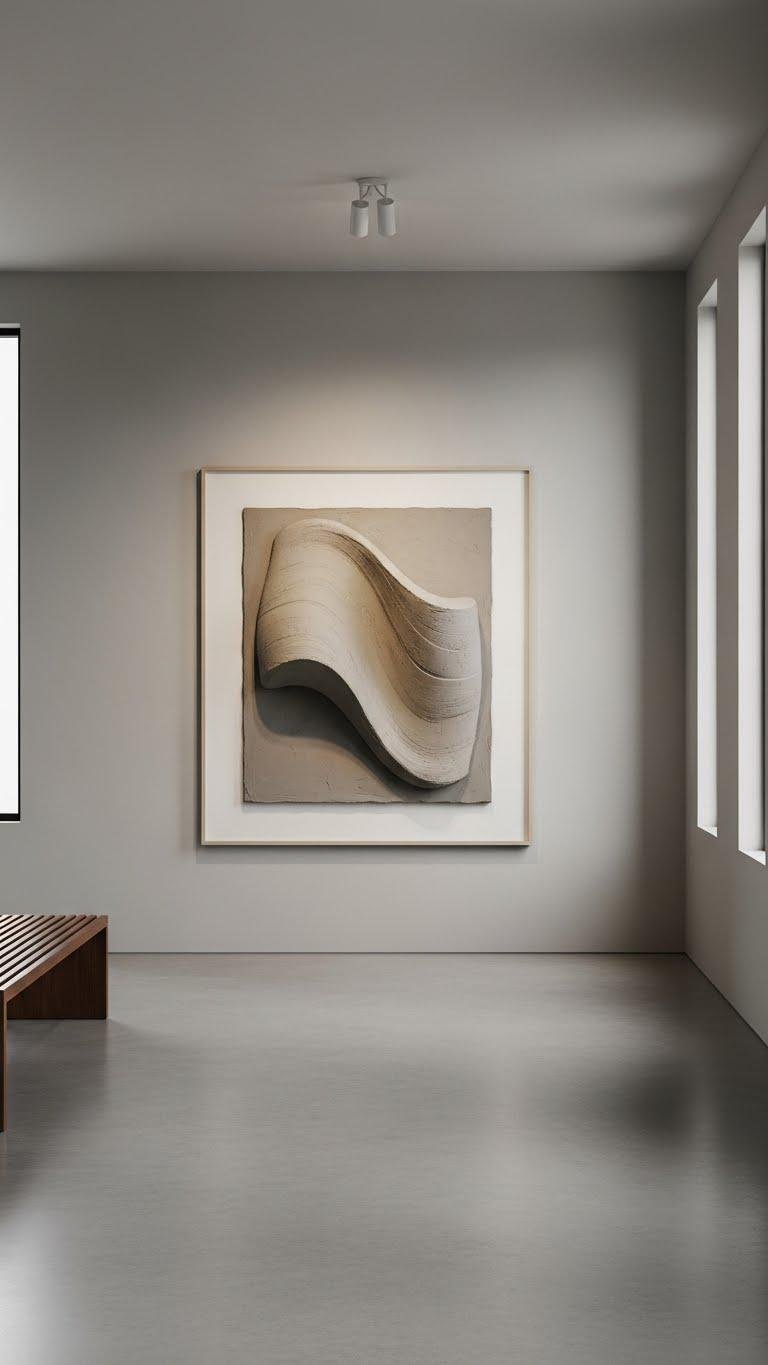
How do you make minimalism feel intentional and personal? Choose one bold piece and let it breathe: a sculptural canvas with oversized matting, centered on a calm wall. You’ll highlight it with subtle gallery lighting to create depth and ritual. This single statement frees the room, anchors your taste, and keeps the space open, curated, and effortlessly yours.
Arrange Furniture for Open Flow
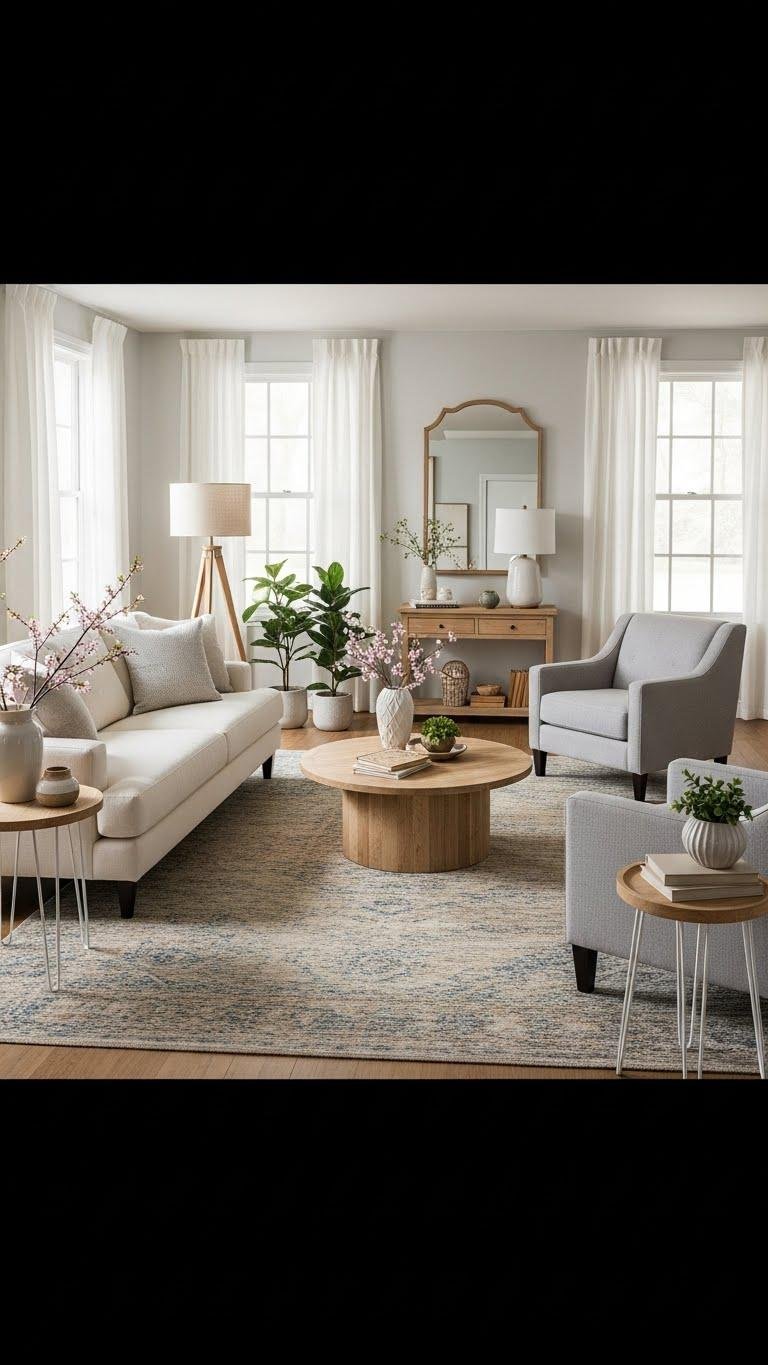
Start by pulling furniture away from walls so air and sightlines can move through the room; you’ll create pockets of purpose without cluttering the floor.
Then plan traffic flow and clear visual pathways, using angled placement to soften geometry.
Arrange pieces into conversational grouping that invites movement and choice.
Keep lines calm, materials light, and let flexible layouts foster freedom and ease.
Balance Negative Space With Purpose
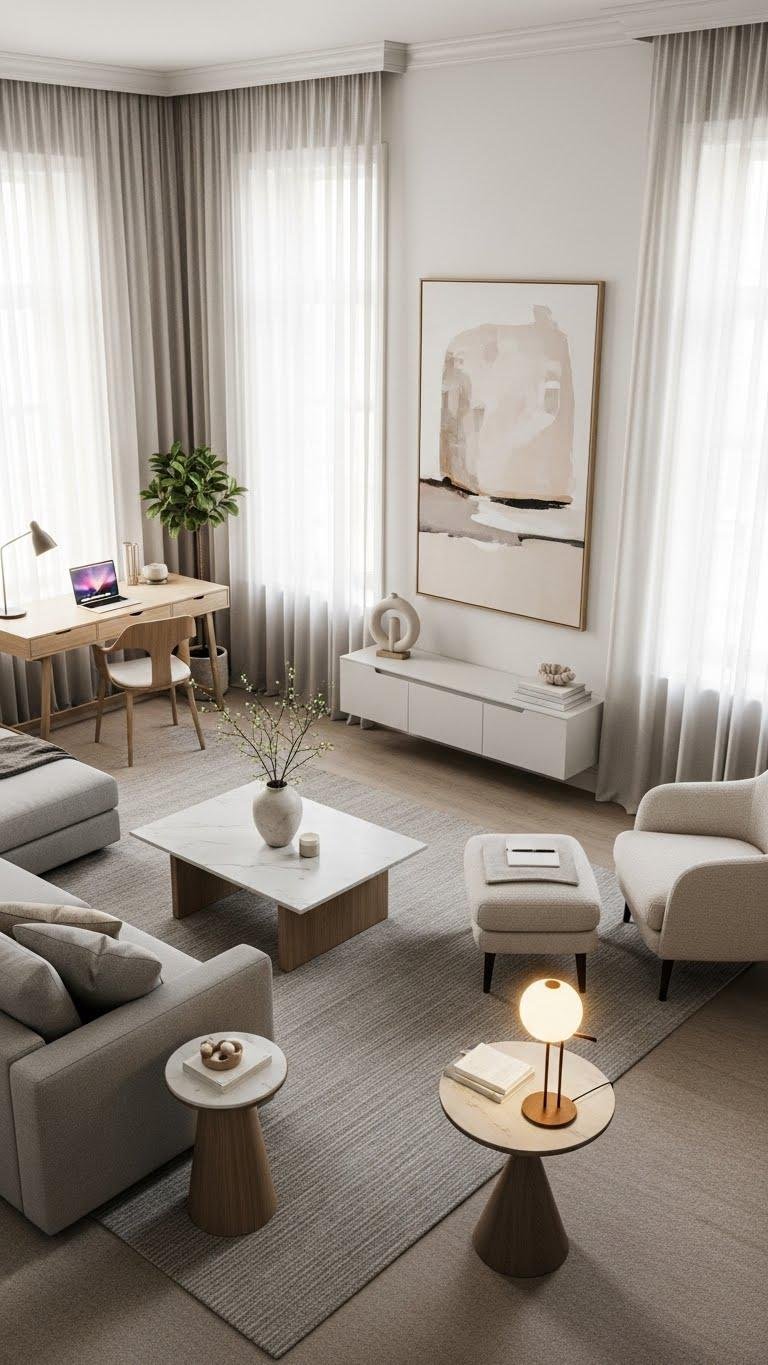
Alongside your furniture choices, let empty space do work: give each object room to breathe so negative space reads as intentional, not leftover. You’ll craft intentional emptiness by defining breathing zones for living, resting, and creating.
Edit sharply — keep surfaces clear, pick pieces that anchor without clutter, and trust open areas to provide calm, freedom, and visual balance.