
You’ll get practical, design-forward ways to bring daylight into every room without sacrificing privacy or comfort. From south and east window placement to clerestories, skylights, and smart glazing, these ideas balance brightness, warmth, and energy performance. Expect layout moves, material choices, and simple fixtures that amplify light and connect indoors to out — plus small tricks that make spaces feel larger and fresher. Keep going to see which moves fit your home.
Maximize South-Facing Window Placement
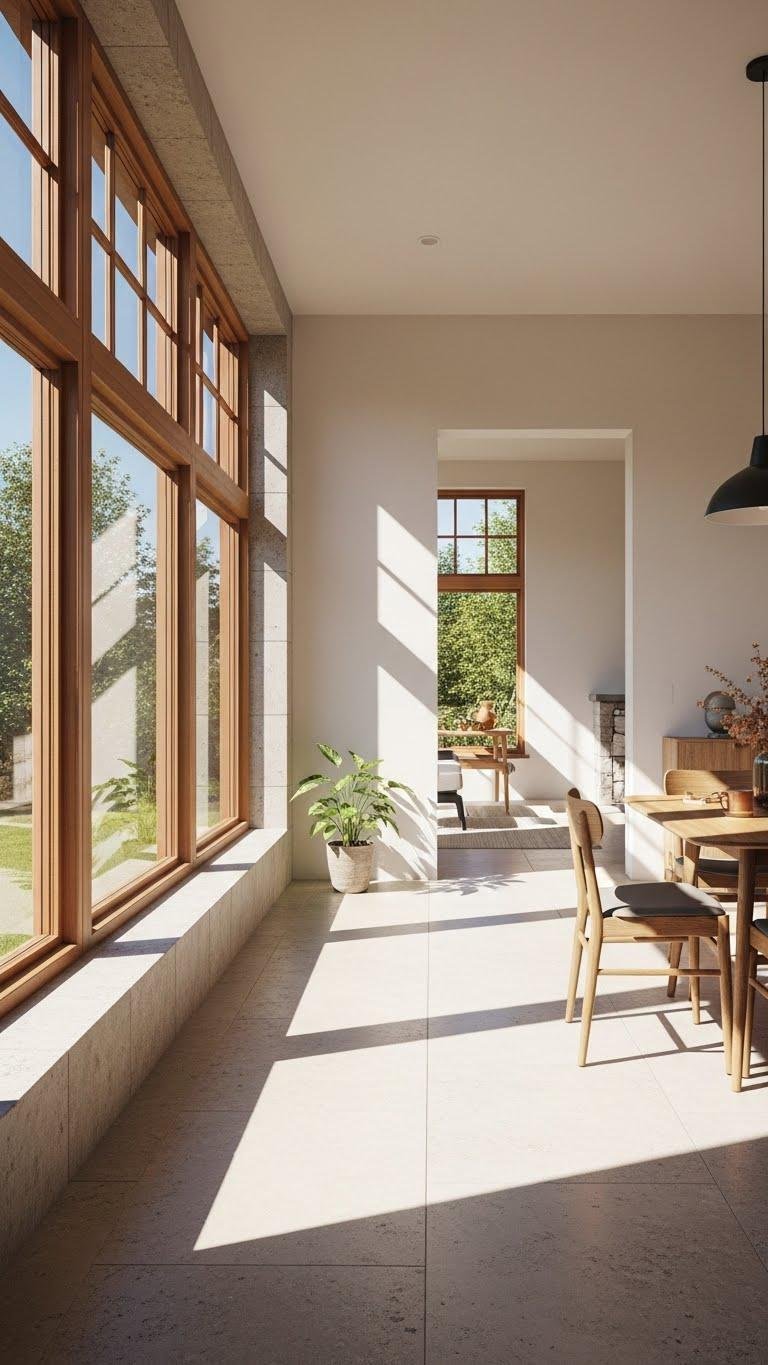
Position south-facing windows where they’ll capture the longest arc of winter sun, then design interiors to let that light travel deep into the room.
You’ll optimize passive solar gain through careful window sizing and placement, balancing glazing with thermal mass.
Keep proportions clean, sightlines open, and furnishings minimal so daylight frees the space without glare or overheating.
Add East-Facing Windows for Morning Light
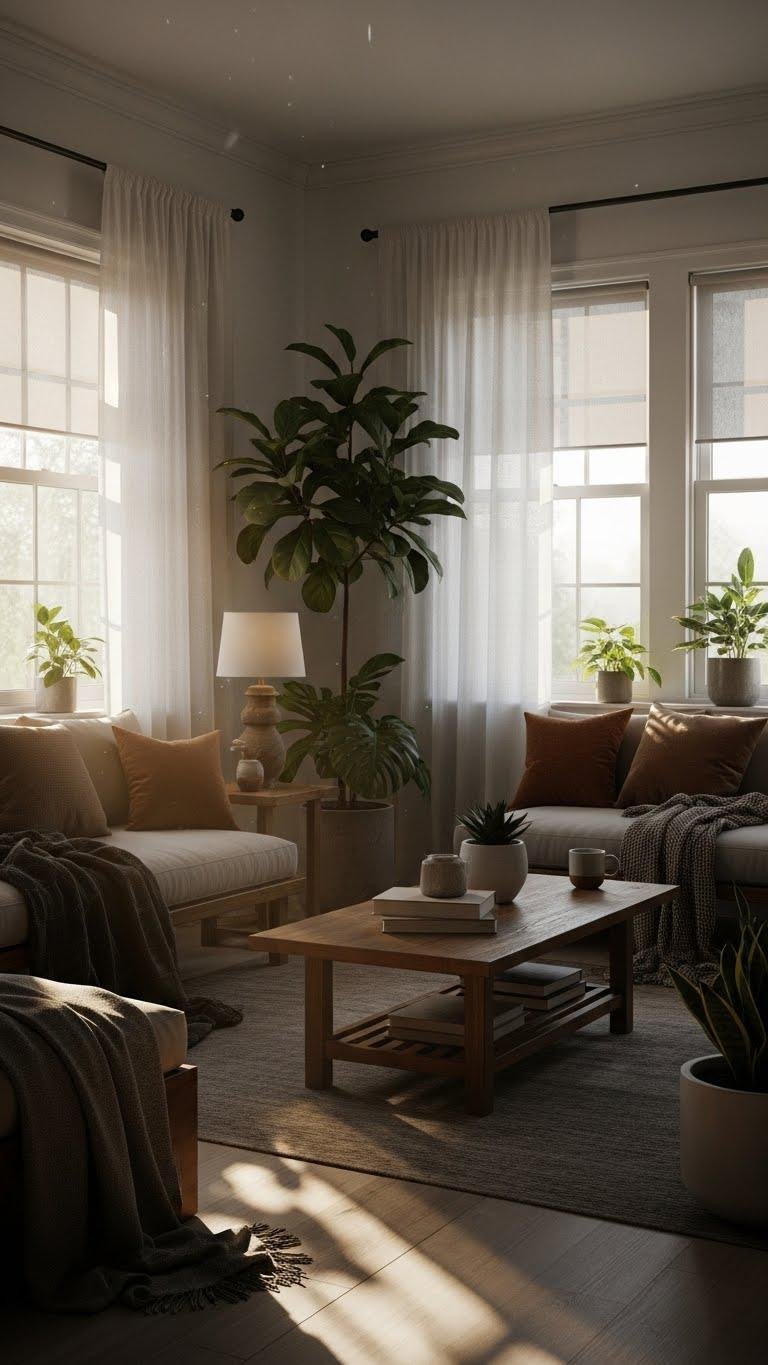
After maximizing southern exposure for winter warmth, bring in east-facing windows to welcome gentle morning light that energizes the start of the day without overheating interiors.
You’ll design calm morning rituals around soft, angled light, placing seating and greenery where it frees your routine. Choose simple window treatments for privacy and glare control that fold away, keeping proportions balanced and rooms feeling open.
Install Clerestory Windows for Privacy and Brightness
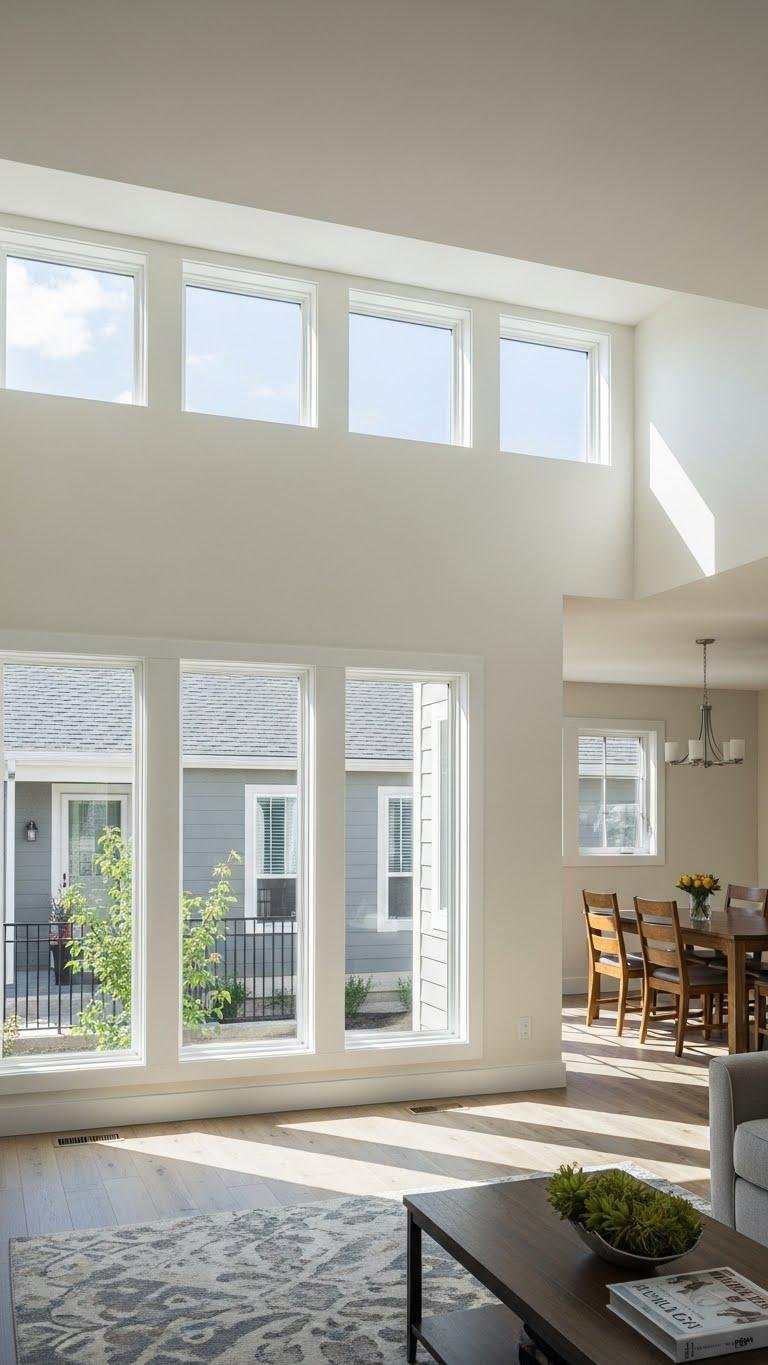
A band of clerestory windows can flood your rooms with even, high light while keeping street-level views and neighbors out of sight.
You’ll gain bright, private spaces by pairing privacy glazing with clerestory ventilation to release heat and invite breezes. Place them thoughtfully for balanced proportions, keep sightlines open, and enjoy daylight that feels liberating without sacrificing comfort or neighborhood privacy.
Use Large Glass Doors to Connect Indoors and Out
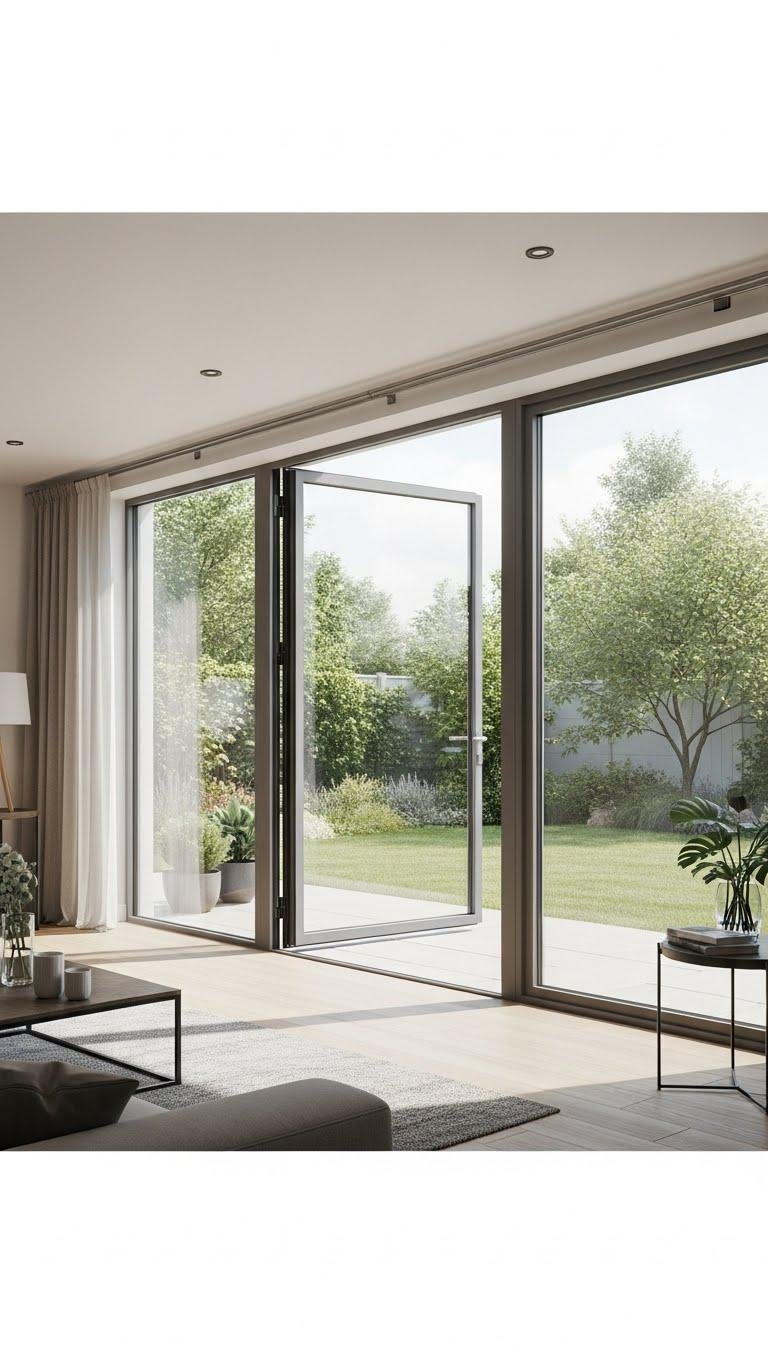
Slide wide glass doors open to blur the line between inside and out, bringing in expansive views and daylight while making circulation feel effortless.
You’ll favor floor to ceiling panels that frame vistas without heaviness.
Choose a slim framed sill to anchor shifts and keep proportions balanced.
Operable options let you adjust airflow and sightlines, giving you freedom to live fluidly between garden and room.
Incorporate Skylights in Central Spaces
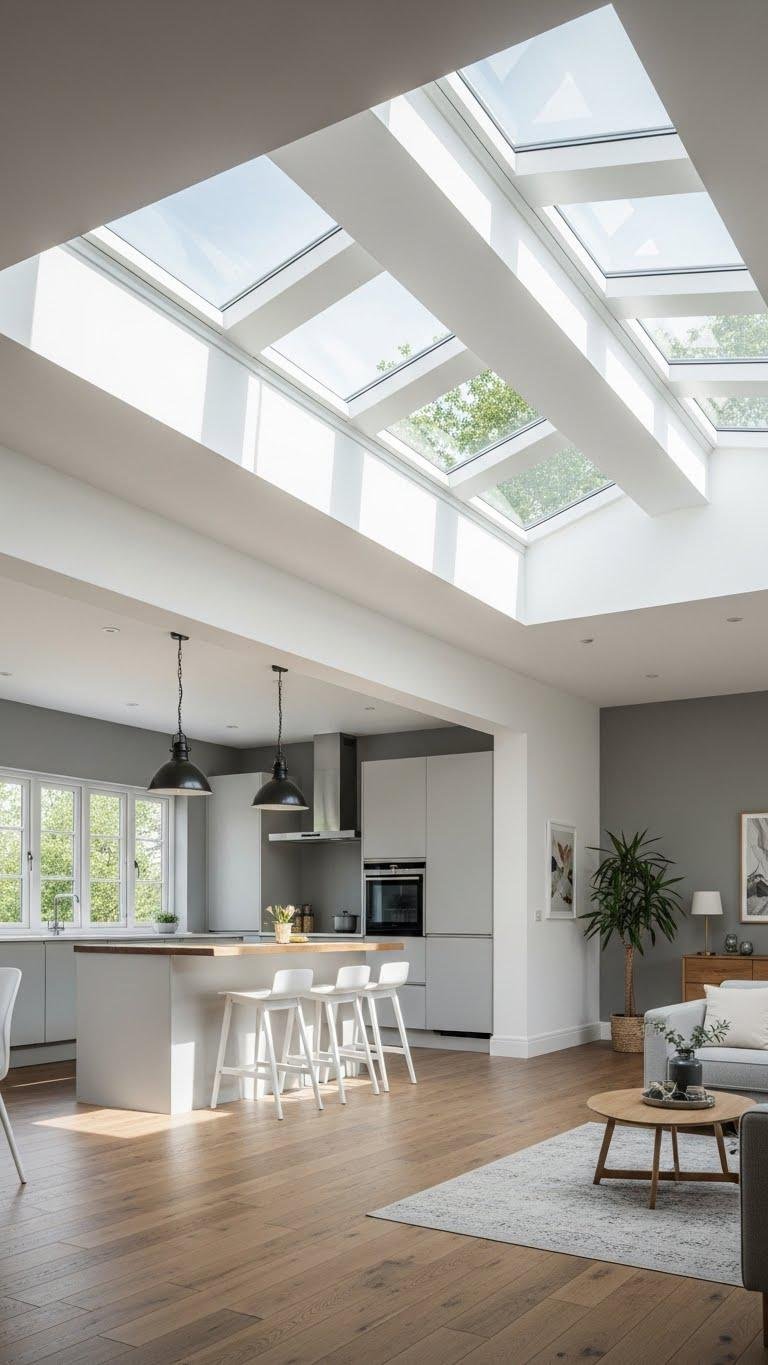
Skylights bring daylight straight to the heart of your home, brightening corridors, kitchens, and living areas that wall windows can’t reach. Place them thoughtfully to preserve scale and sightlines, using daylight zoning to direct light where you need it most.
You’ll enjoy open, airy rooms that feel freeing, and simple skylight maintenance will keep that clarity season after season.
Fit Solar Tubes in Hallways and Closets
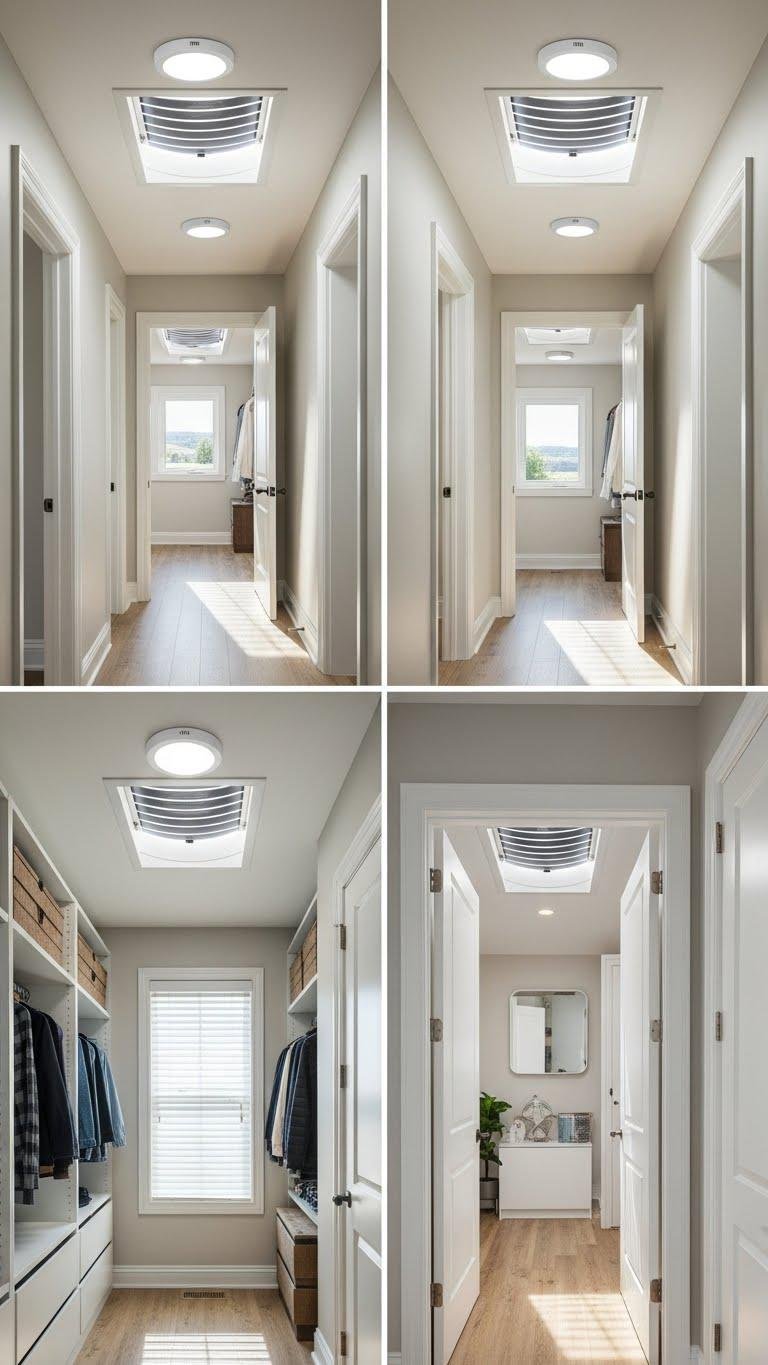
Often you’ll find that narrow hallways and windowless closets can suddenly feel open and usable when you fit solar tubes to funnel daylight straight from the roof.
You’ll choose compact, ductless ventilation options and crisp decorative diffusers to keep airflow and finish cohesive.
Placement, tube diameter, and diffuser style matter — they free your circulation, reduce reliance on electric lights, and respect scale.
Create an Open Floor Plan to Let Light Flow
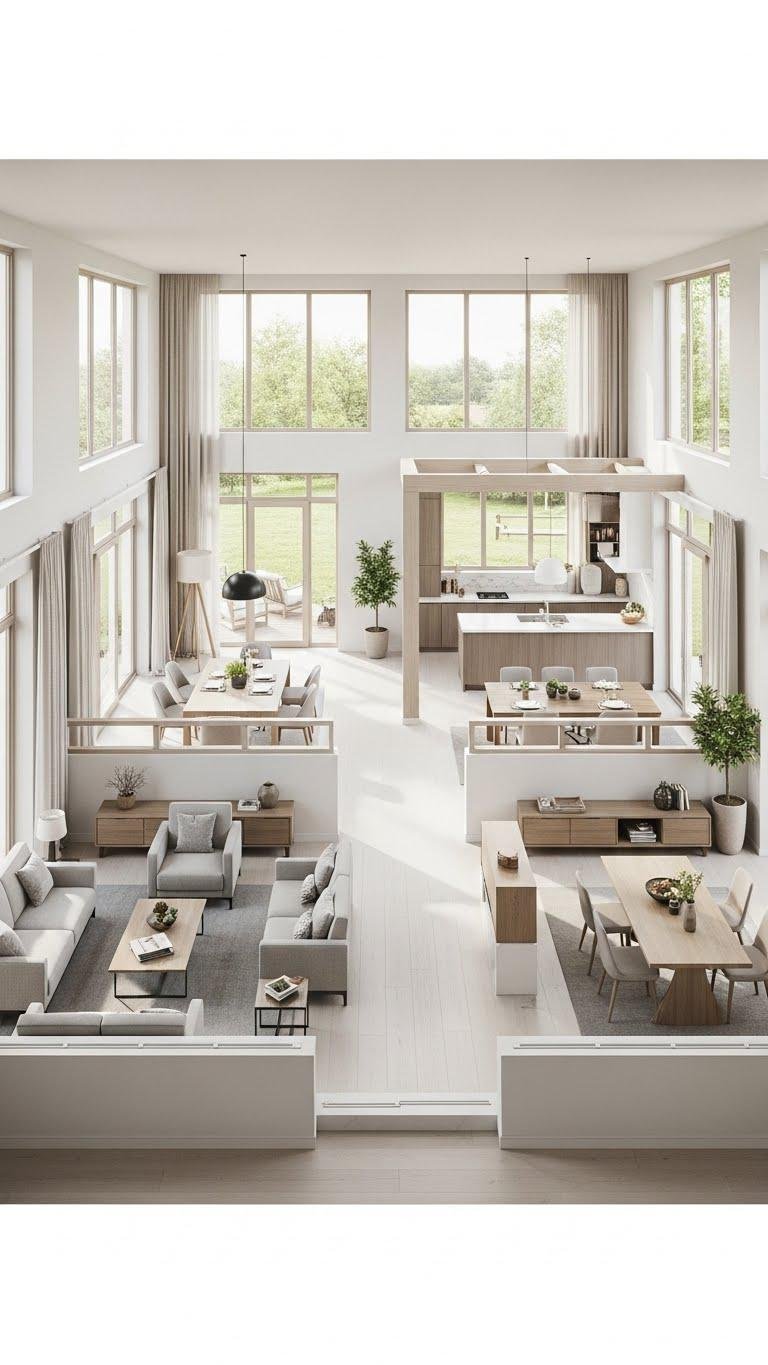
If funneling daylight into tight hallways and closets can open up those small spaces, you can multiply that effect by removing nonstructural walls and rethinking room boundaries to create an open floor plan that lets light travel freely.
You’ll favor flowing sightlines and zoned openness, arranging furniture and low partitions to define functions while preserving brightness, scale, and a liberated, airy feel throughout.
Remove Unnecessary Interior Walls
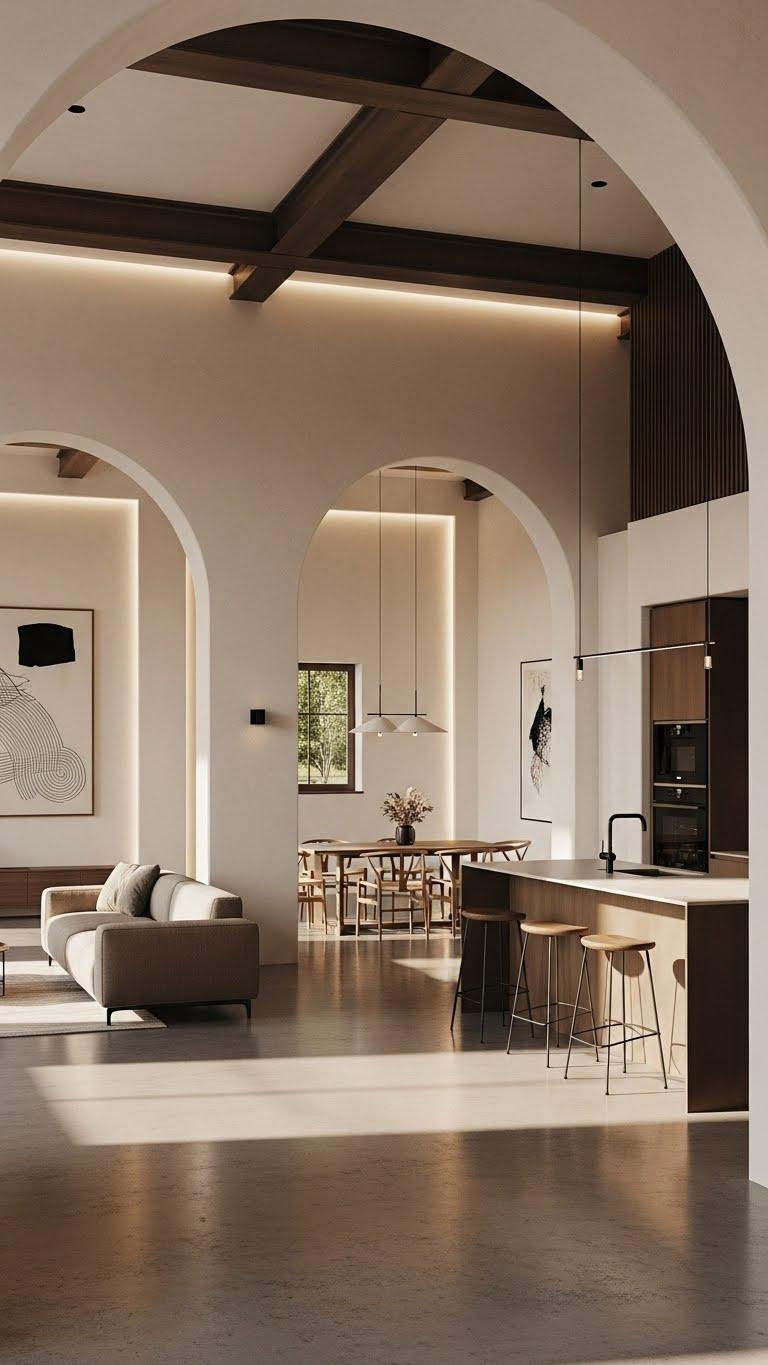
When you take down nonload-bearing walls, light streams farther into the home and sightlines open up, making spaces feel larger and more connected.
Decide what to remove partitions-wise to preserve balance, then widen doorways where useful to frame views and improve flow.
Keep proportions in mind: preserve structural rhythm, scale furniture to new volumes, and choose finishes that amplify daylight without cluttering freedom.
Use Interior Glass Partitions to Share Light
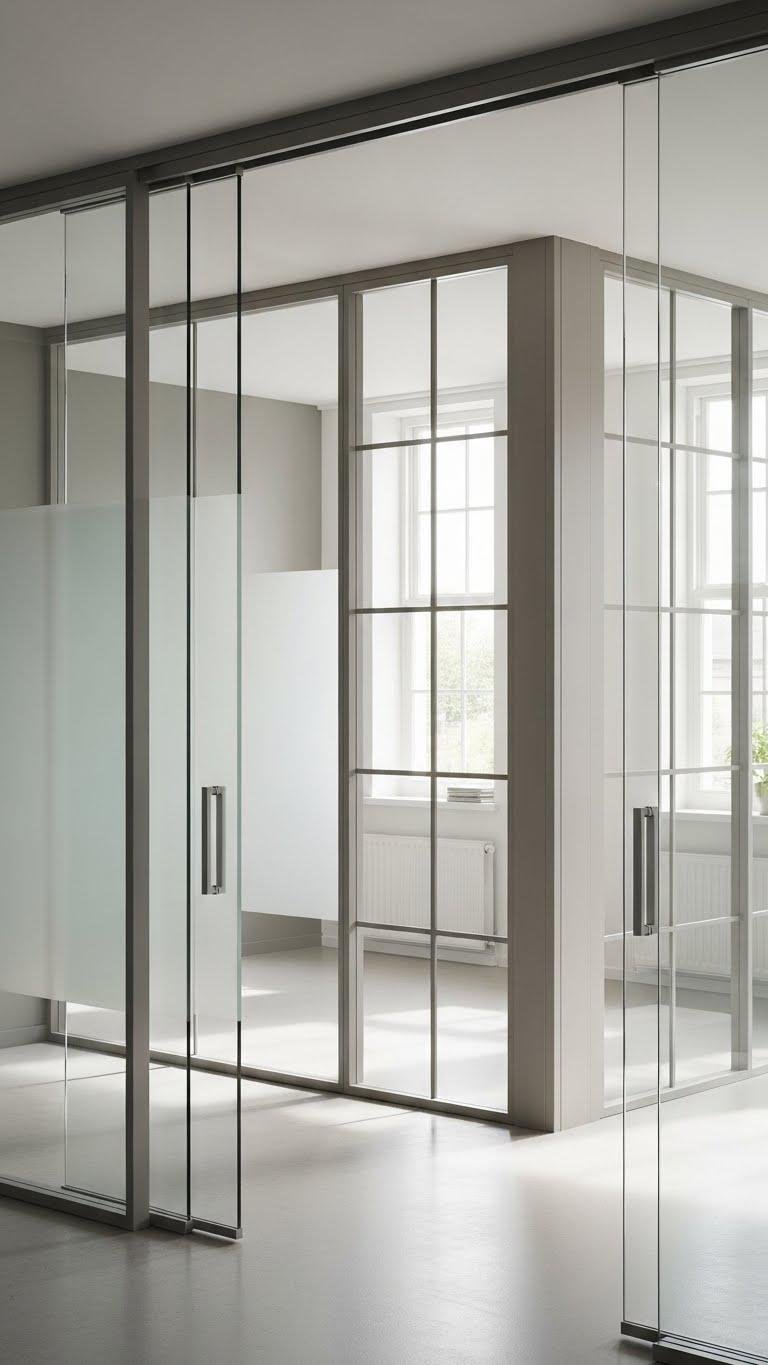
Let in light and keep rooms defined by swapping solid partitions for interior glass—panes, doors, or framed screens that transmit daylight while preserving privacy and acoustics.
You’ll balance openness and function with frosted glass where you need discretion, clear panes to deepen sightlines, or sliding pocket partitions to save space. Choose scaled frames and matte finishes to maintain calm, airy proportions without sacrificing freedom.
Install High Windows Above Cabinets
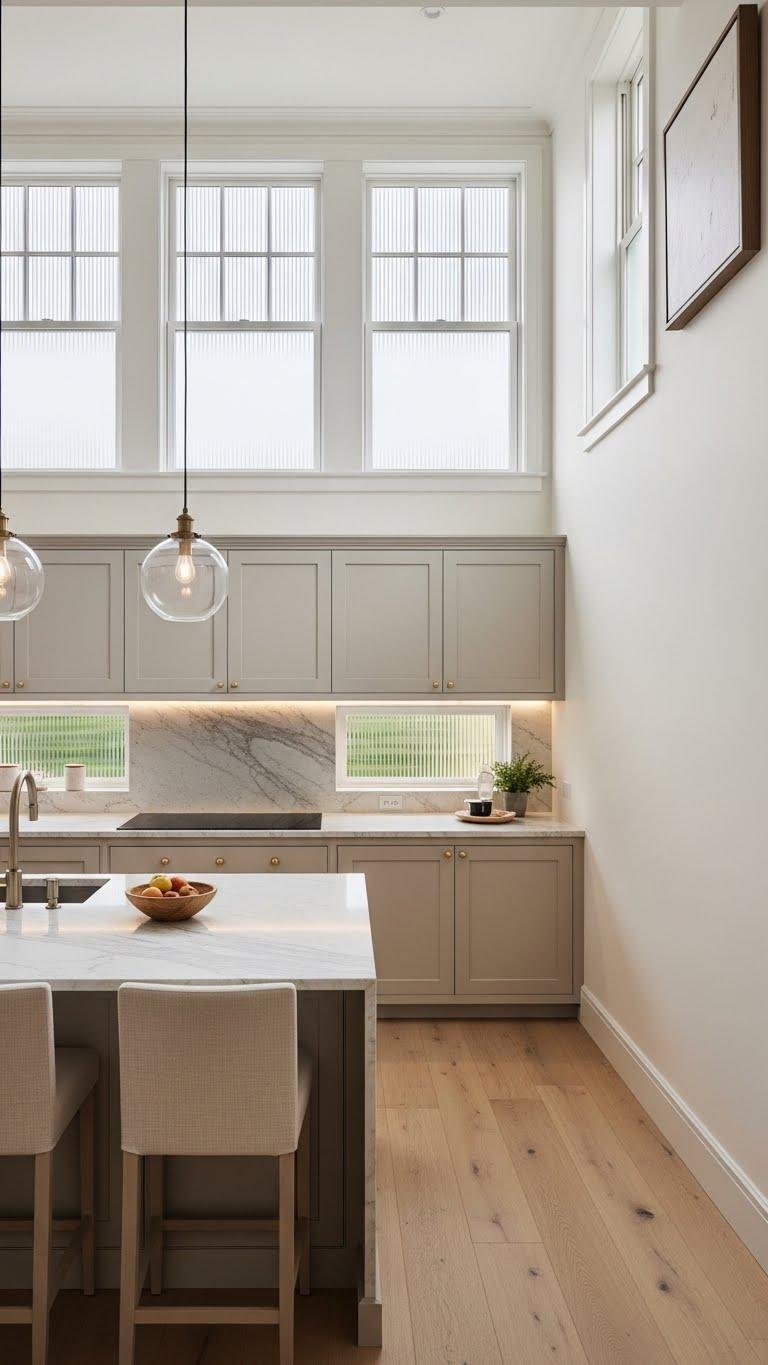
Often you’ll get the biggest payoff by installing high windows above cabinets, because they bring daylight deeper into the room without sacrificing storage or wall space.
Place high sashes above an upper cabinet run to illuminate counters, maintain privacy, and keep sightlines open.
You’ll enjoy balanced proportions, effortless ventilation options, and a freed-up wall for art or shelving while staying visually airy.
Add Transom Windows Above Doors
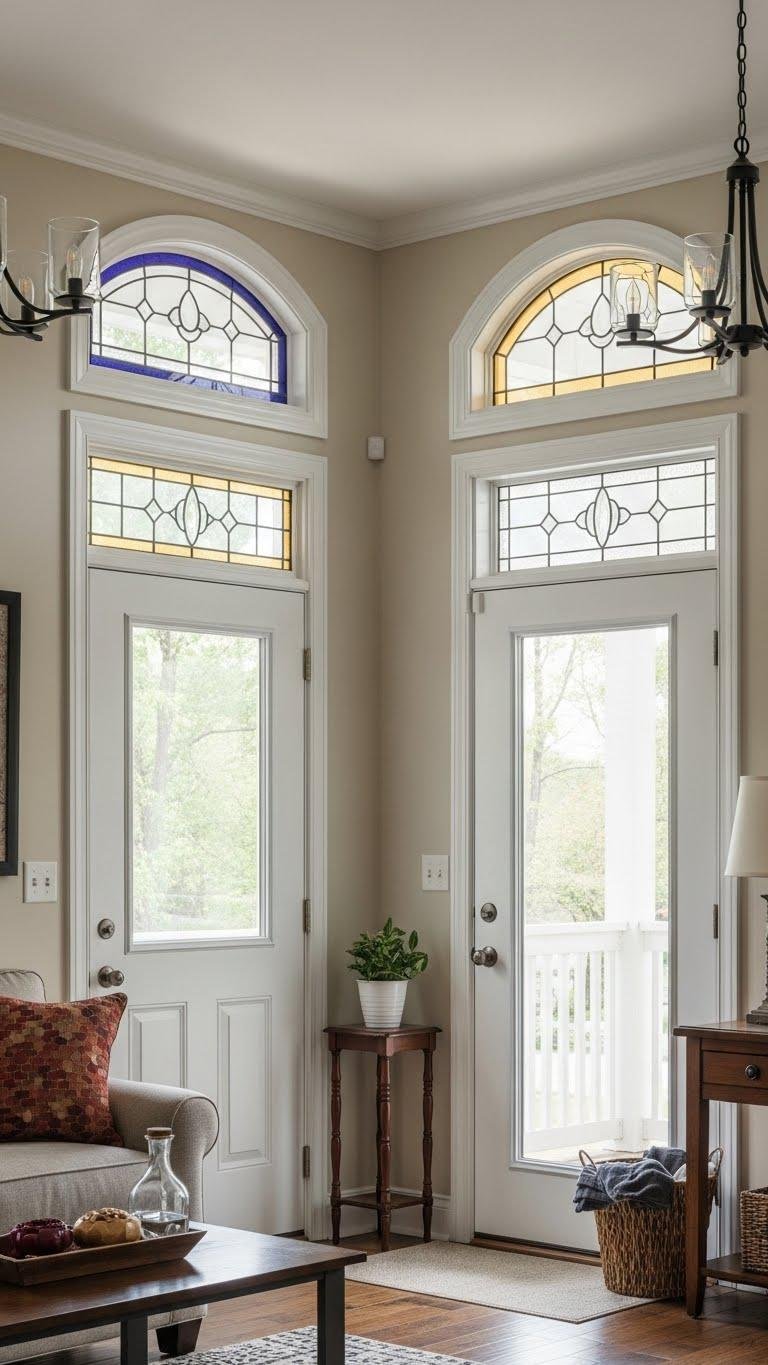
If you liked lifting light above cabinets, try adding transom windows above doors to carry that brightness through interior rooms without losing wall real estate. You’ll open sightlines and ventilation while keeping privacy. Choose arched transoms for graceful scale or stained glass transoms for color and personality. Placement, proportion, and unobstructed light paths keep rooms feeling free, airy, and intentional.
Use Light-Reflective Interior Finishes
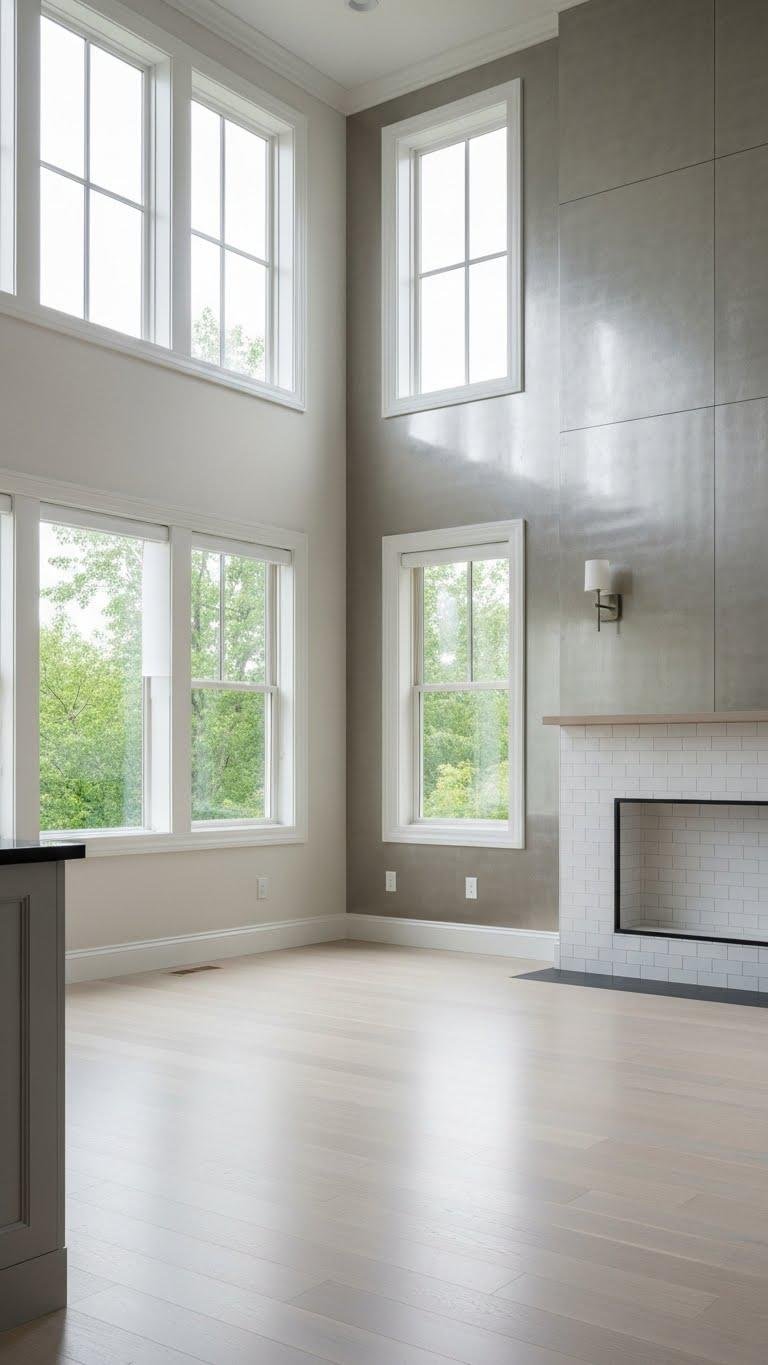
Brighten rooms by choosing finishes that bounce light instead of absorbing it: high-reflectance paint, satin or semi-gloss trims, glossy tile backsplashes, and polished stone or light-engineered wood floors will all throw daylight deeper into a space.
Pair high gloss trims with understated fixtures, add metallic accent walls sparingly, and balance sheen so rooms feel airy, controlled, and free rather than flashy.
Paint Walls in Soft, Light Colors
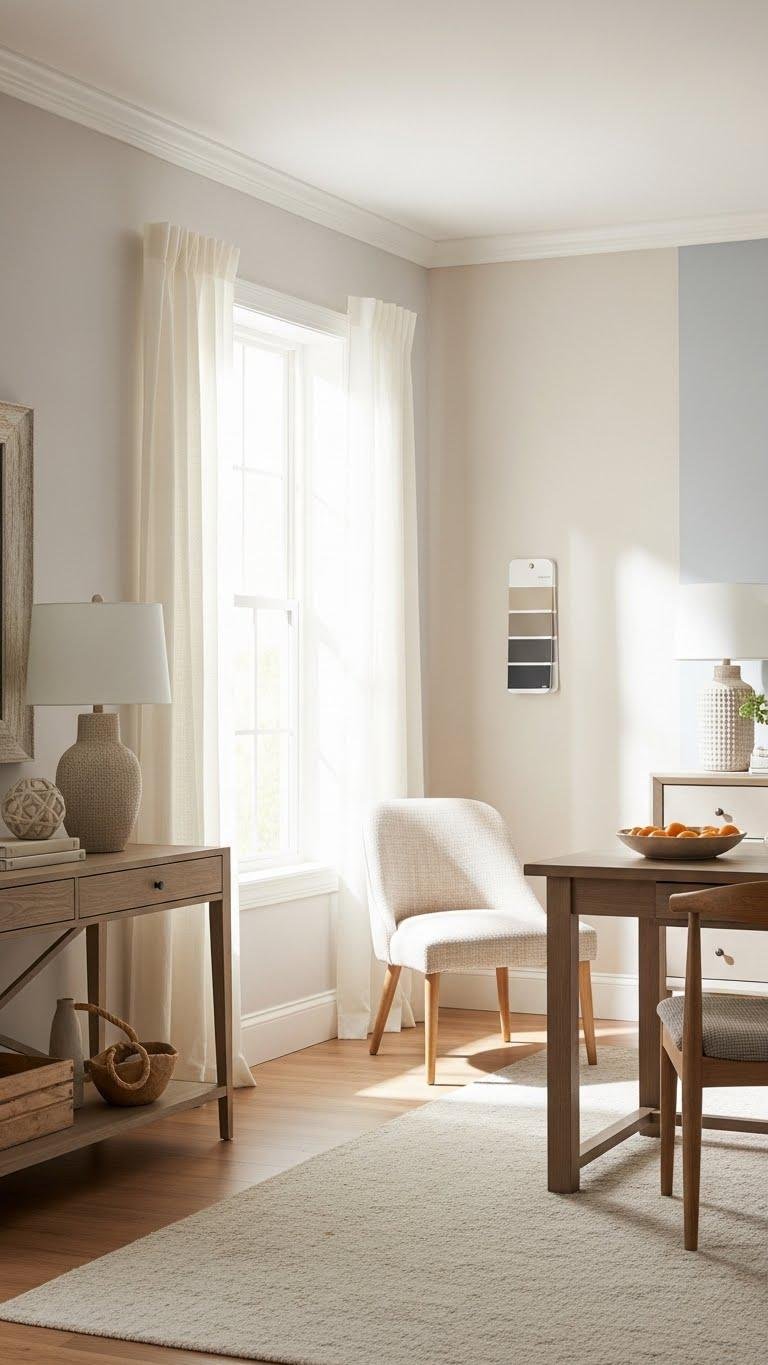
Having chosen finishes that send daylight farther into the room, paint becomes the next, decisive layer for maximizing that light.
You’ll favor soft neutrals and pale greys to bounce illumination without feeling clinical. Choose balanced tones that respect scale and furnishings, then test samples in morning and evening sun.
The result feels airy and restrained, giving you freedom to layer texture and color elsewhere.
Choose Low-Profile Window Treatments
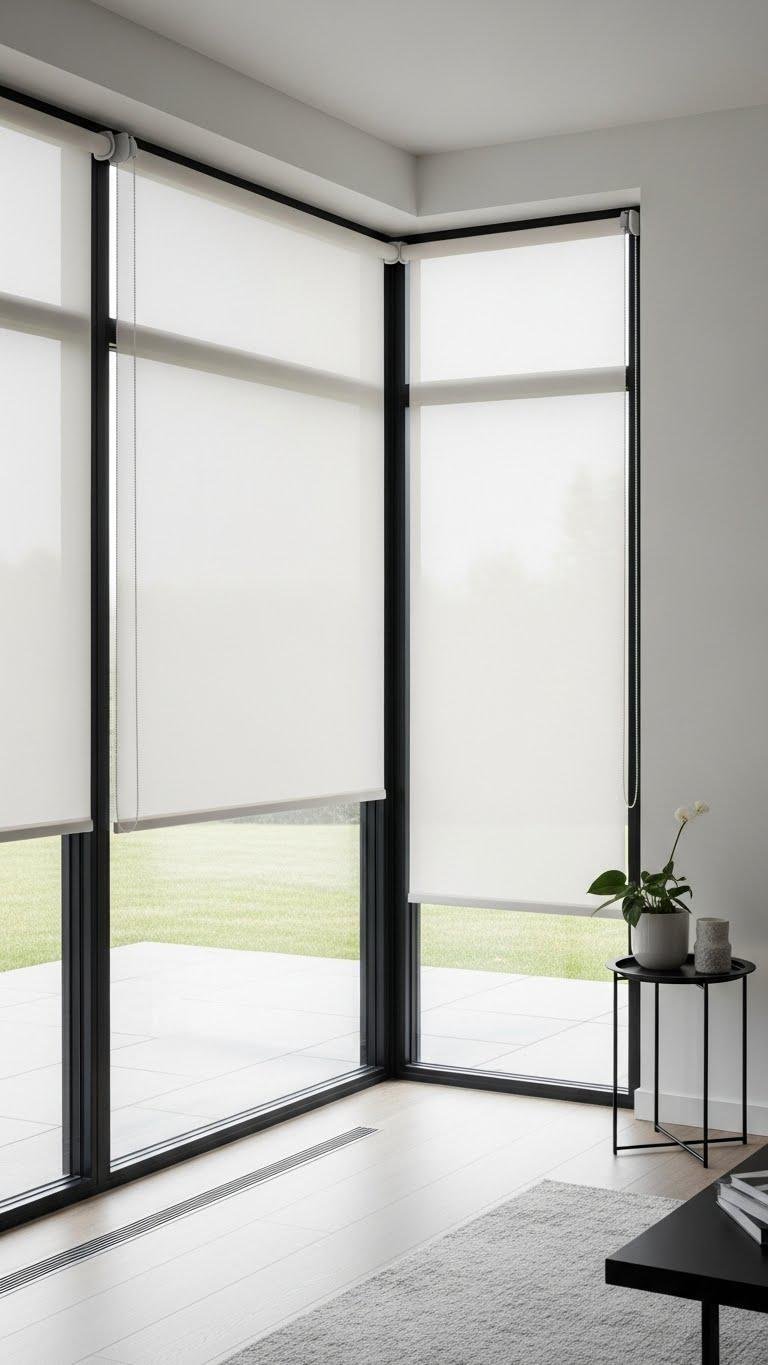
A few thoughtful window choices can keep sightlines open and let daylight move freely into your space: opt for low-profile treatments like slim roller shades, recessed blinds, or minimally framed sheer panels that sit close to the glass.
You’ll choose sheer blinds or recessed shades to maintain views, reduce visual clutter, and let rooms breathe—keeping proportions balanced while maximizing airy, liberated light.
Position Mirrors to Bounce Natural Light
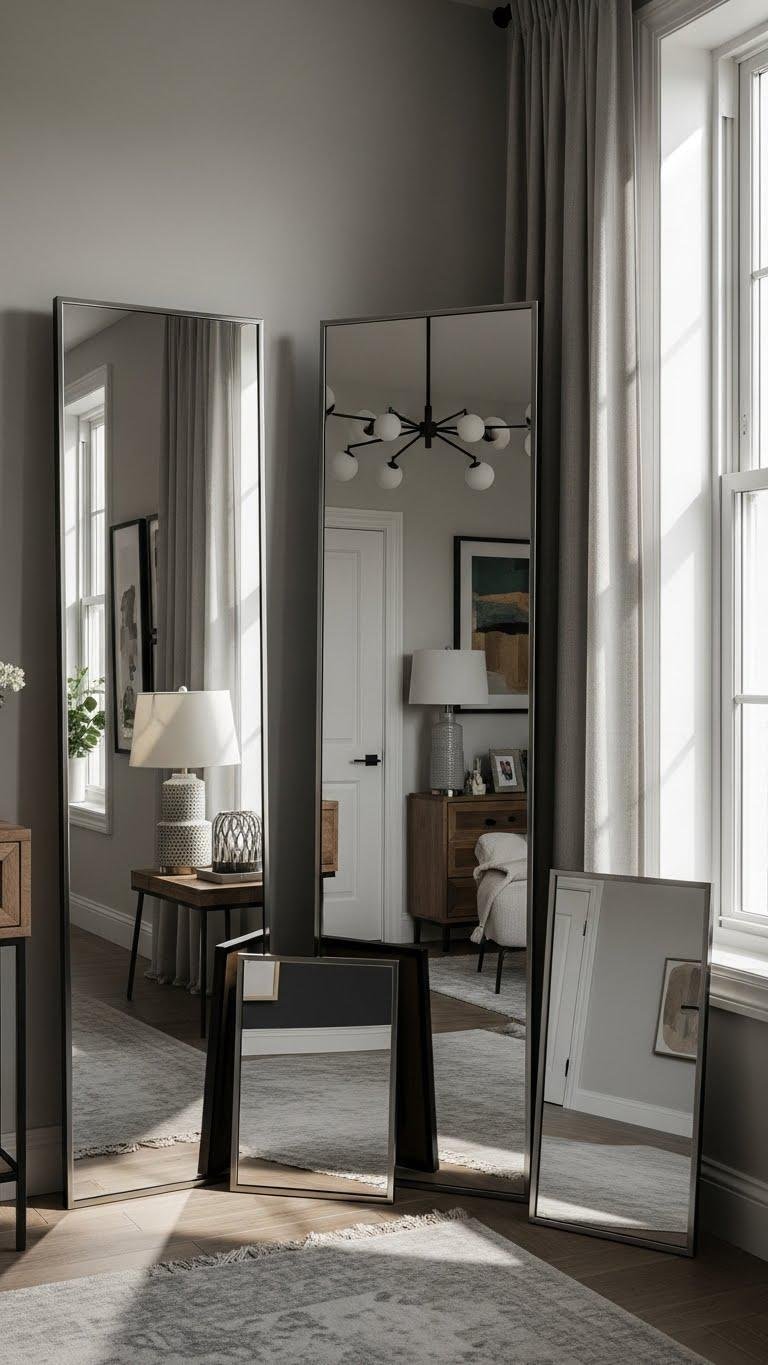
Place mirrors strategically to bounce daylight into darker corners and visually expand your room. You’ll angle mirrors toward windows to channel sun where you want it, using angled mirrors to stretch light across walls and floors. Mix functional mirrored art with clean frames to maintain scale; position pieces thoughtfully so reflections feel intentional, airy, and freeing without overwhelming your proportions.
Use Outdoor Reflective Surfaces Near Windows
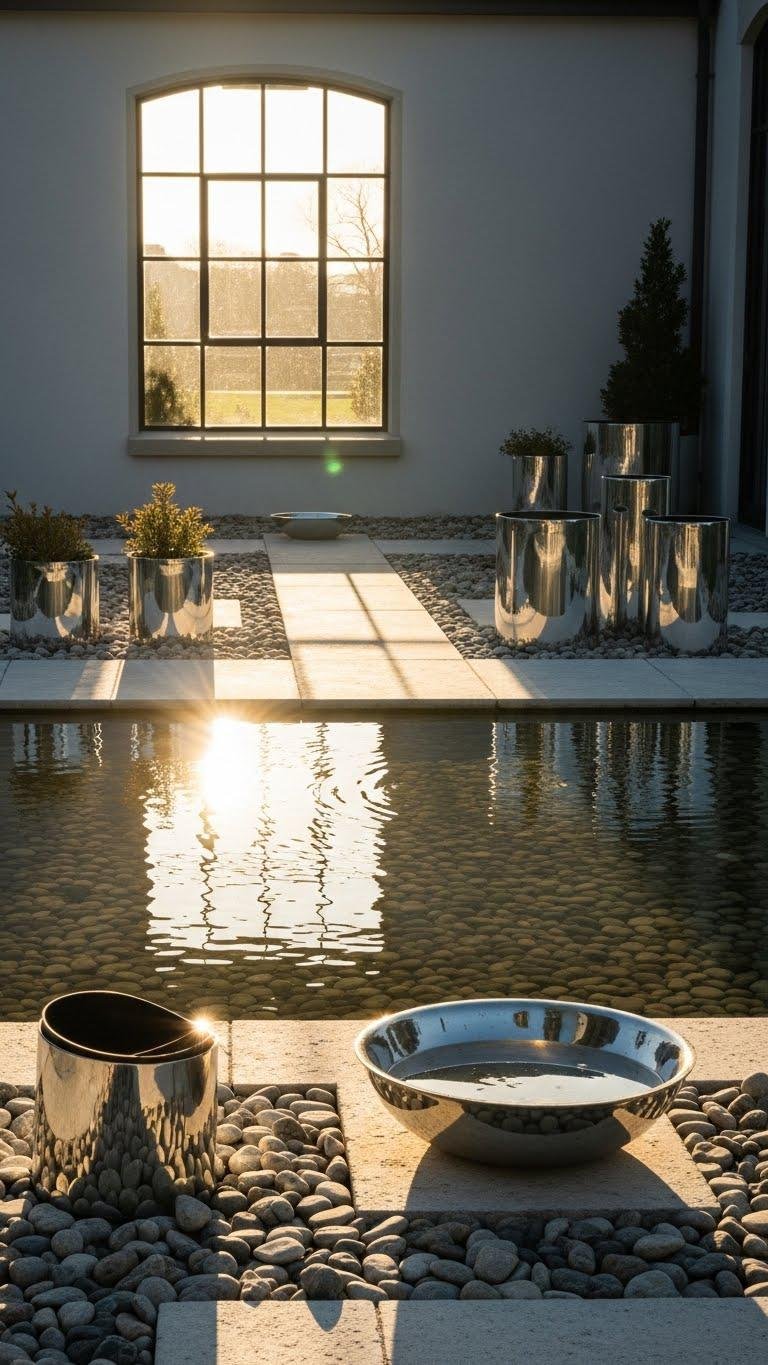
Many small adjustments outside your windows can boost indoor daylight: position light-colored paving, polished stones, or a shallow water feature to catch sun and send it back through the glass.
You’ll amplify brightness with reflective planters and a mirrored birdbath, placing them in balanced groupings.
Keep scale modest, angles considered, and pathways clear so light feels intentional and your space stays open and freeing.
Incorporate Tunable LED Lighting to Supplement Daylight

Use tunable LED lighting to fill gaps when daylight fades and to match indoor light to the time of day. You’ll control intensity and hue for circadian tuning, keeping mornings crisp and evenings warm.
Choose fixtures with high color rendering to reveal true tones. Place them proportionally—task, ambient, accent—so spaces feel open, flexible, and aligned with your natural rhythm.
Use Energy-Efficient Glazing for Better Thermal Performance
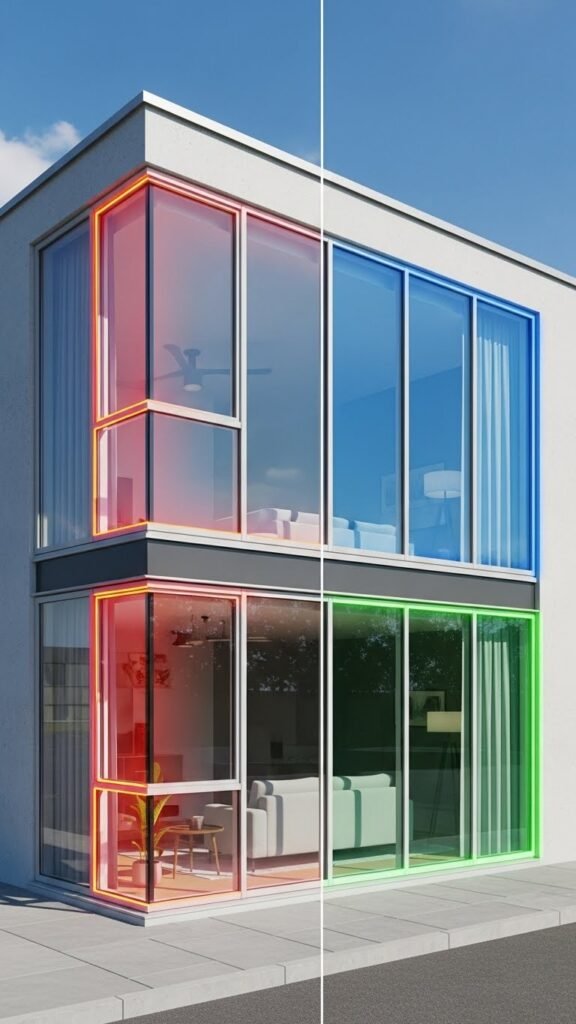
After you’ve tuned interior lighting to follow the day, look at the glass itself to keep that comfort consistent while cutting energy use. Choose low emissivity glass and Argon filled glazing to reduce heat transfer, control glare, and preserve views. You’ll gain steady indoor temperatures, lower bills, and freedom to arrange spaces without heavy curtains—clean, efficient, proportioned solutions for light-filled living.
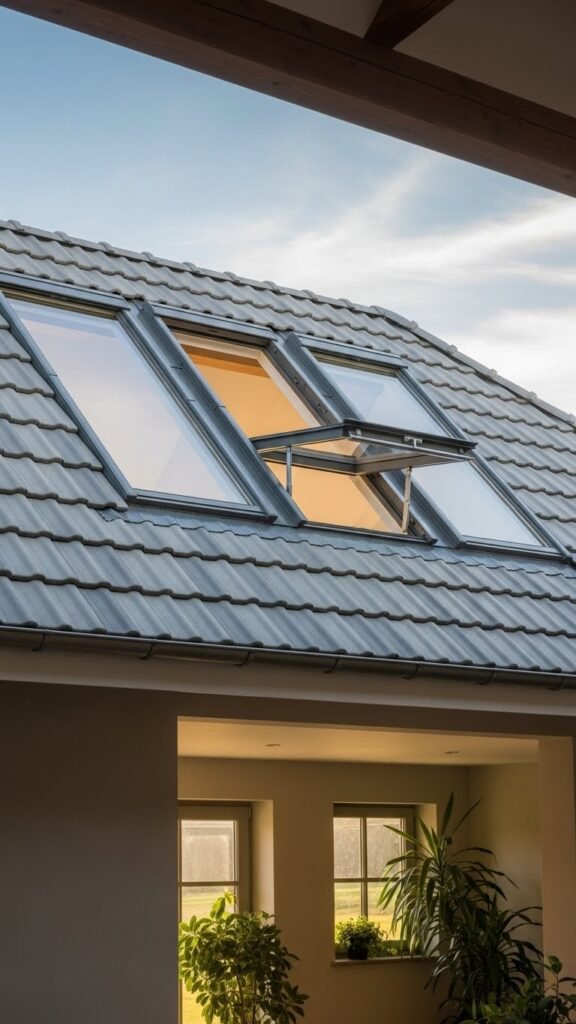
Install Operable Skylights for Ventilation and Cooling
Design With Sloped Ceilings to Enhance Skylight Impact
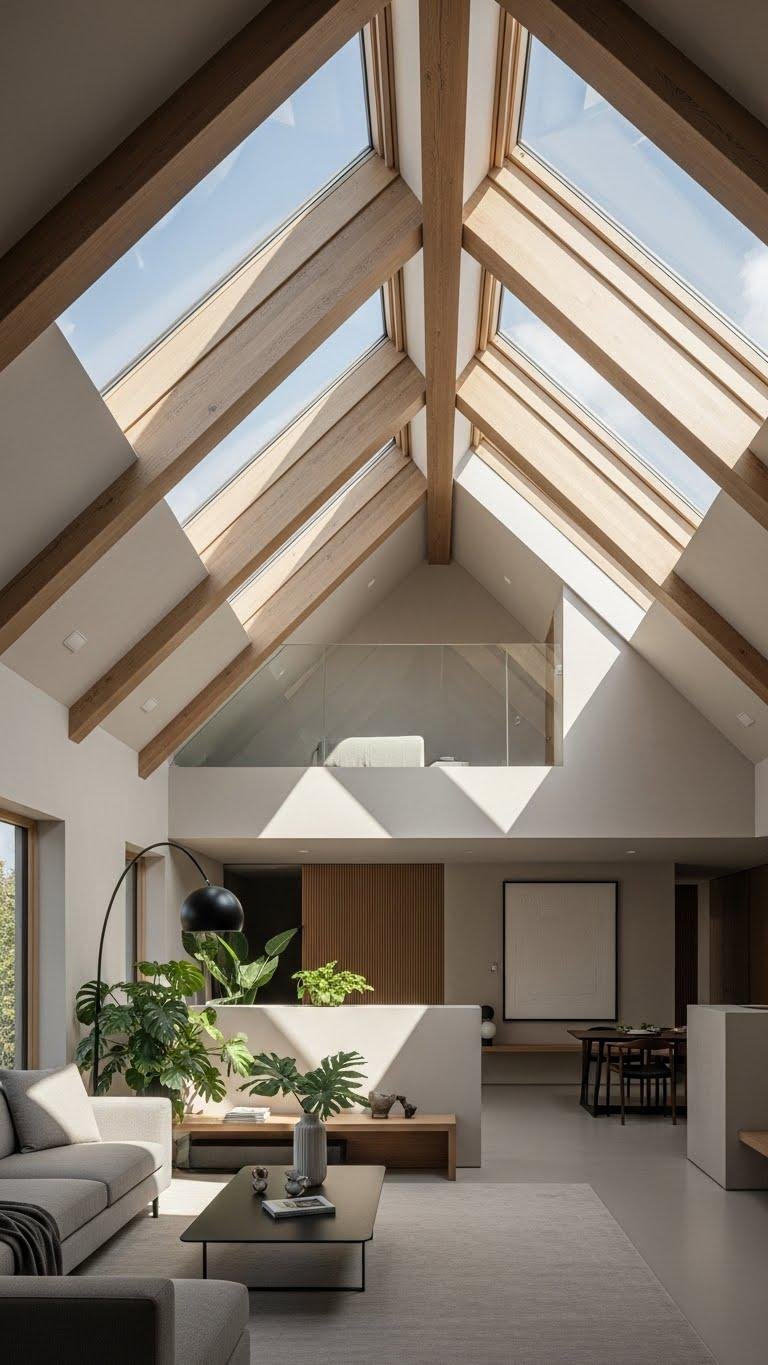
When you pair skylights with sloped ceilings, you amplify daylight, boost airflow, and create a stronger architectural statement. You’ll orient skylights to follow angled rafters, carving light into living zones and emphasizing proportion. Use vaulted junctions to soften shifts between rooms, keep finishes minimal, and let natural light define scale. This design feels open, intentional, and liberating without excess.
Create Open Stairwells to Share Light Between Floors
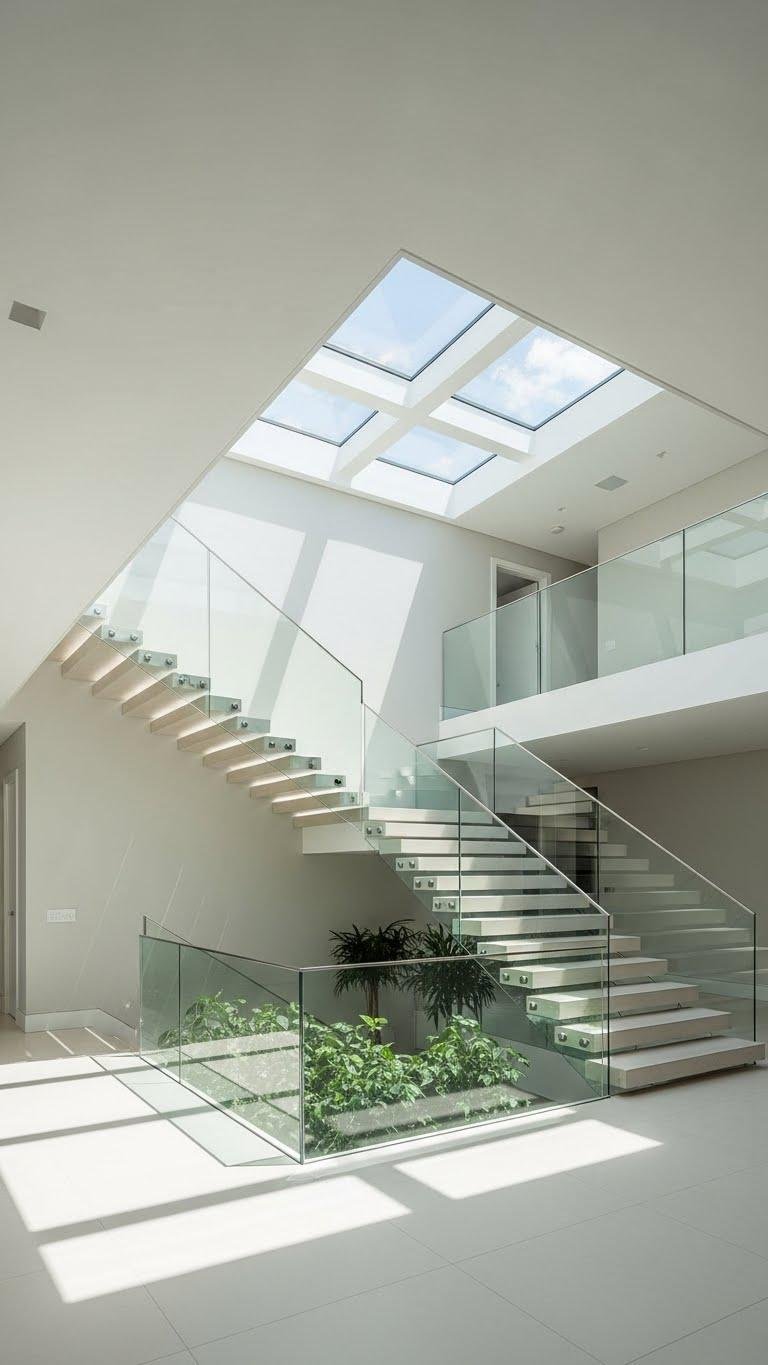
Open up your stairwell to let daylight move freely between floors and instantly brighten otherwise dark corridors. You’ll maximize openness with floating staircases, minimal railings, and strategic sightlines that channel sun from skylights or light atriums. Keep proportions balanced so light feels generous, not overwhelming. Choose materials that reflect and diffuse light, and arrange circulation to preserve airy views and effortless flow throughout your home.
Place Bedrooms With East-Facing Windows
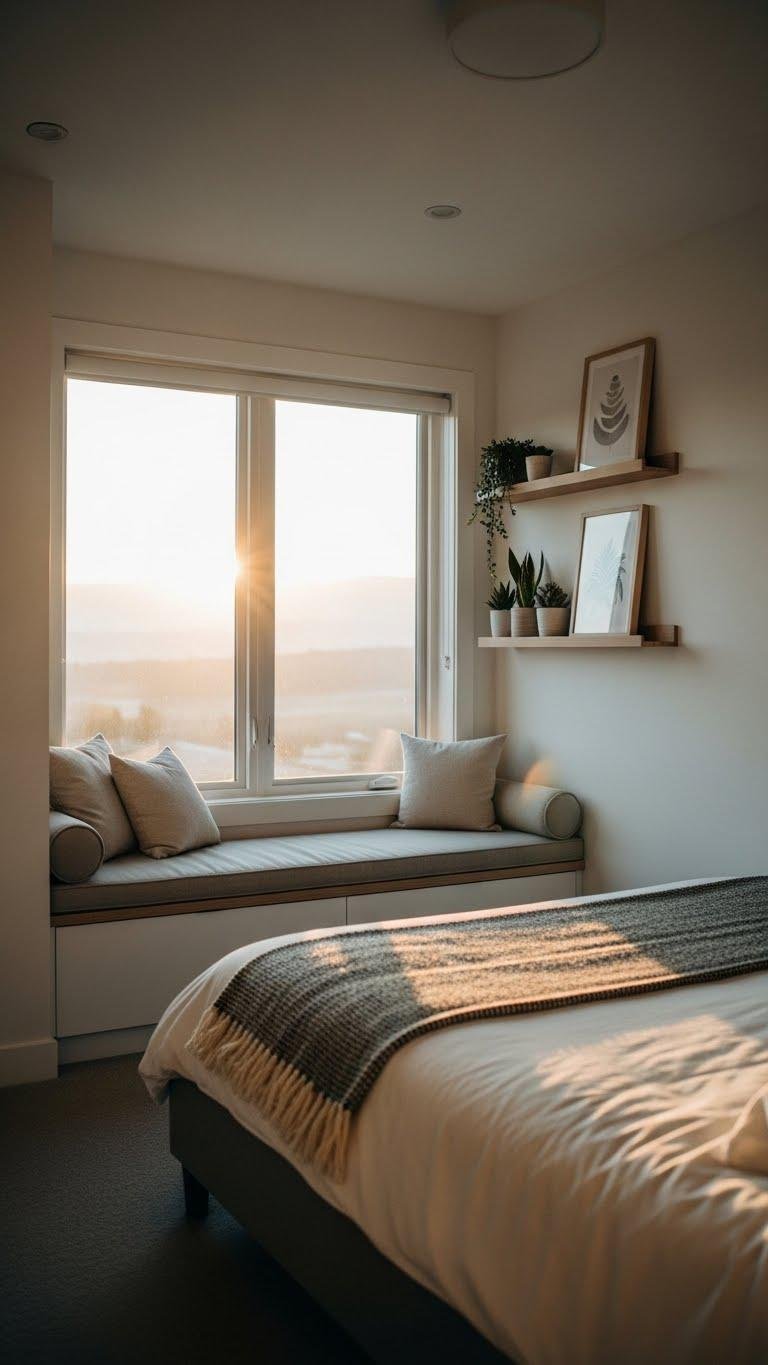
If you want mornings that feel naturally gentle and restorative, orient bedrooms with east-facing windows so they catch the first light and warm the room exactly when you need it. You’ll shape calm morning routines, use light to cue wakefulness, and arrange minimal window furniture—benches or slim shelves—that respect scale. This choice keeps spaces airy, proportioned, and free-feeling without artificial interference.
Integrate Smart Lighting Controls Based on Daylight

Because natural light shifts across the day, you can use smart lighting controls to keep indoor brightness balanced and energy use low. Install daylight sensing dimmers and automated shades so artificial light supplements only when needed.
Choose systems with circadian tuning to support wakefulness and restful evenings. You’ll gain freedom from manual adjustments, lower bills, and a home that adapts to natural rhythms.
Use Natural Flooring That Reflects and Warms Light
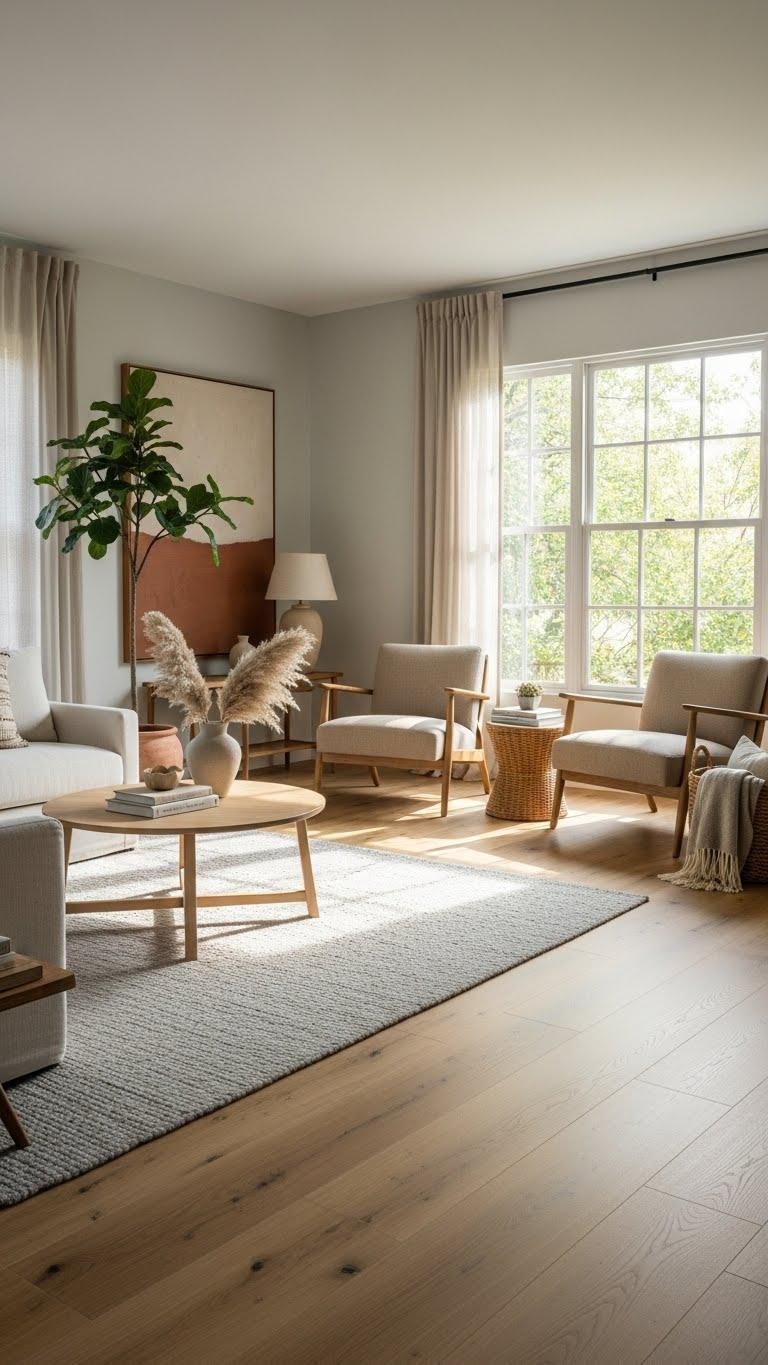
Natural flooring like wide-plank oak, bamboo, or cork can brighten and warm a room by reflecting sunlight with a soft, natural glow rather than a harsh sheen. Choose reflective hardwood or honeyed bamboo to bounce light while keeping tones grounded.
You’ll balance surfaces and scale, let rooms feel open, and enjoy floors that invite movement and a liberated, calm atmosphere.