
You’ll create a calm, modern home by mixing Japandi restraint with warm Scandinavian touches: think low-profile seating, natural oak, soft linen, and a muted earthy palette. Focus on tactile materials, large sculptural pieces, and smart hidden storage so spaces feel open and intentional. I’ll walk you through 23 practical ideas that help rooms breathe and slow your pace—starting with how to choose furniture that anchors without crowding.
Embrace Japandi Simplicity
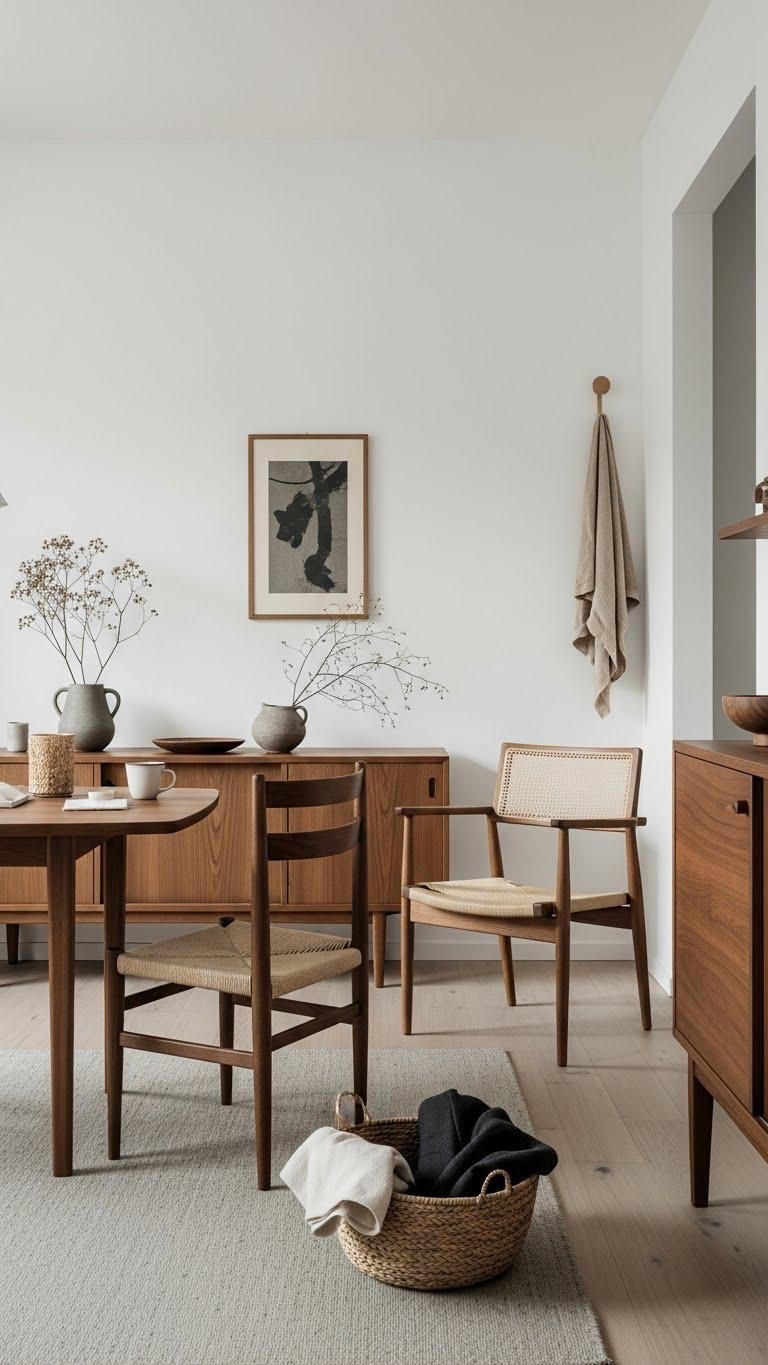
When you blend Japanese minimalism with Scandinavian warmth, you get Japandi—a calm, functional aesthetic that prioritizes clean lines, natural materials, and purposeful design.
You’ll adopt minimalist rituals that strip clutter, choose furniture with honest craftsmanship, and honor wabi aesthetics through imperfection.
You’ll create rooms that free your routine, encourage slow living, and feel both warm and intentionally sparse.
Choose a Warm Earthy Palette
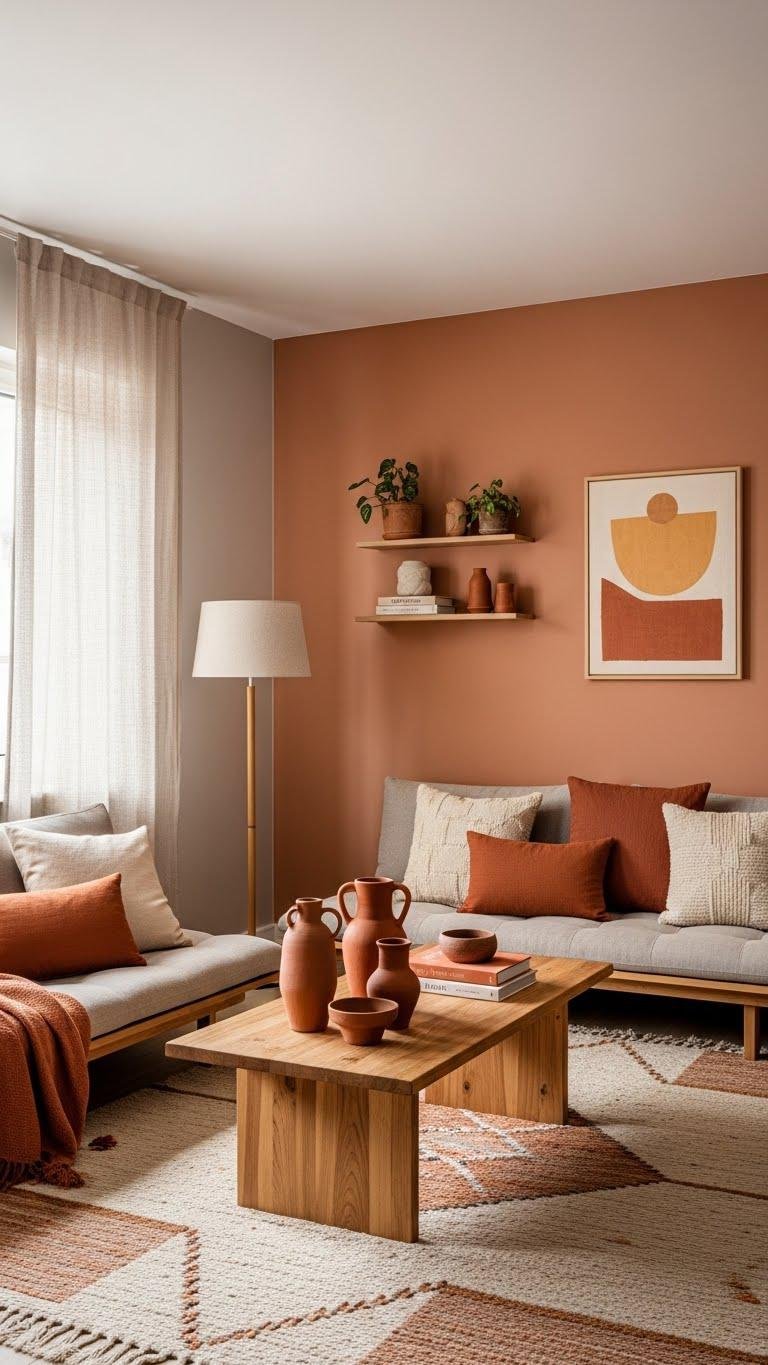
Start with a restrained palette of warm earth tones—soft terracottas, muted ochres, warm greys, and rich umbers—to ground your Japandi space and reinforce its calm, lived-in feel.
Then pick sunset ochre as a focal wall or artwork hue and add terracotta accents in ceramics or cushions. You’ll create a cozy, modern sanctuary that feels open and unconfined.
Layer Natural Textures

Although calm color sets the stage, you’ll deepen the sense of warmth and tactility by layering natural textures—think open-weave linen curtains, hand-rubbed oak furniture, raw clay ceramics, and woven seagrass rugs. Mix raw linen throws, woven baskets for tidy storage, and matte pottery to add depth. You’ll create a serene, lived-in vibe that feels effortless, modern, and free.
Opt for Low‑Profile Furniture

A few carefully chosen low‑profile pieces can instantly make a room feel more spacious and relaxed, so pick sofas and tables with slim frames, shallow seat heights, and minimal ornamentation.
You’ll favor streamlined silhouettes and ergonomic seating that invite lingering without overwhelm.
Choose configurations with recessed storage to keep clutter hidden, maintain visual calm, and give you the freedom to move and breathe.
Add One Oversized Statement Art Piece
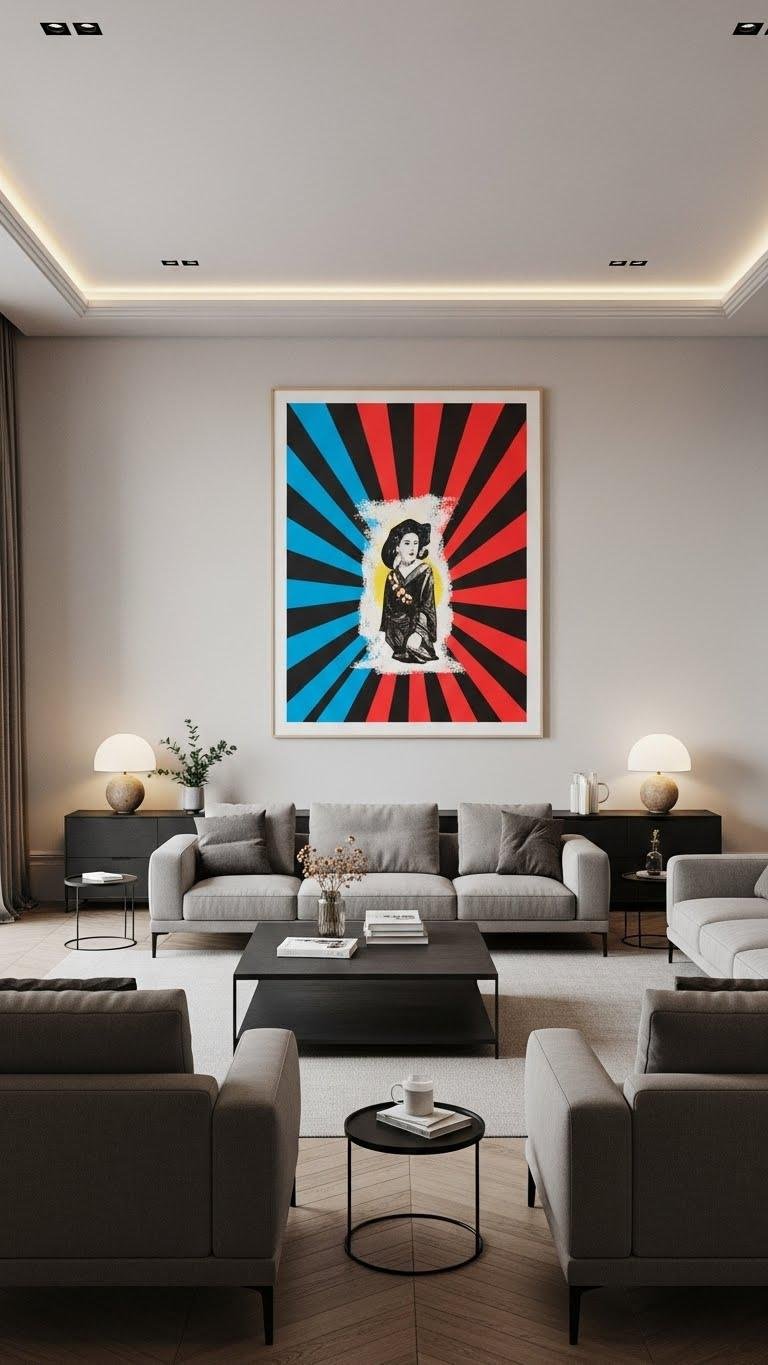
Low‑profile furniture gives your room breathing room; now bring focus with one oversized statement art piece that anchors the space without cluttering it. Choose work with bold scale to create an effortless focal point, pairing simple frames and subtle lighting. Let tonal contrast guide placement and color choices so the piece feels liberating, not overpowering, inviting calm and visual freedom.
Introduce Curved Sofas or Chairs
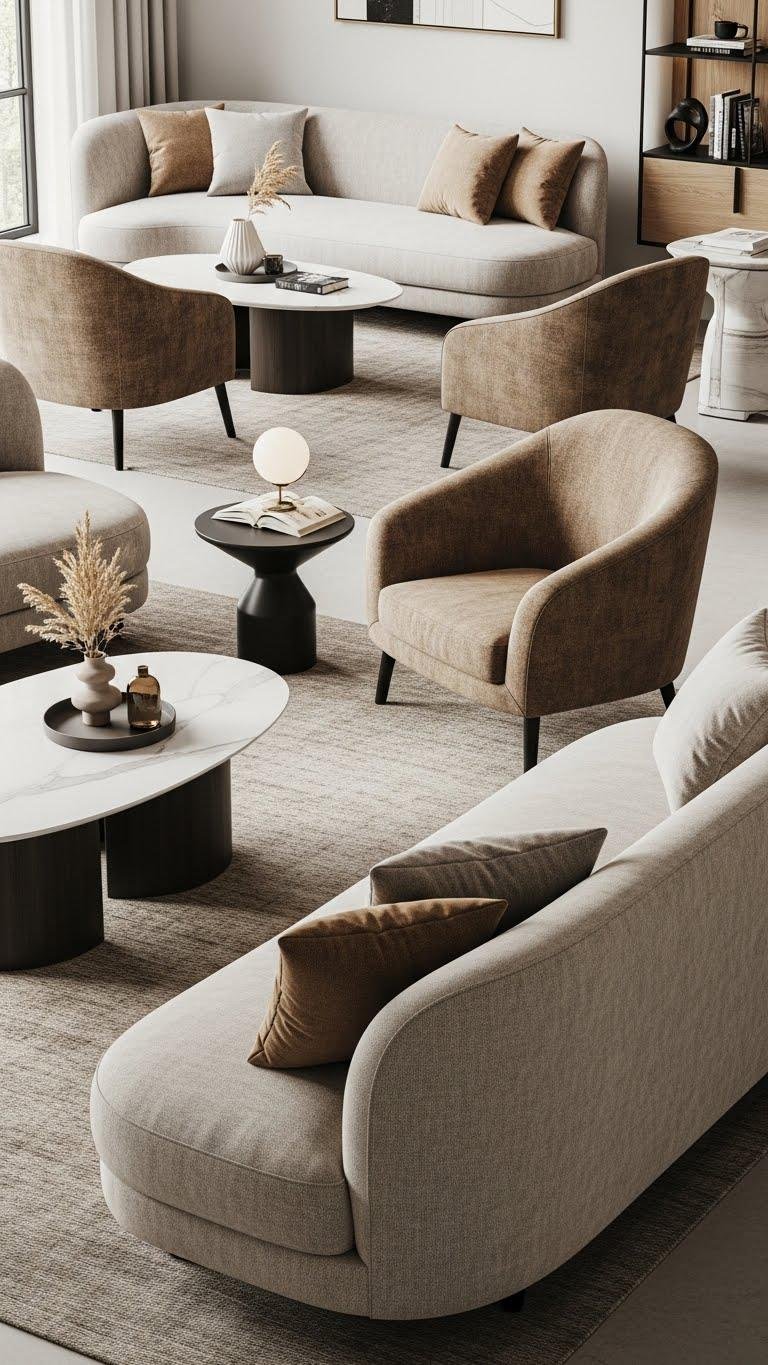
Softly curved sofas and chairs reshape a room’s energy, inviting you to linger while smoothing traffic flow and visual lines. You’ll appreciate compact curves that soften corners and encourage relaxed conversation.
Choose pieces balancing sculptural form with modular comfort so you can reconfigure for gatherings or solitude. Opt for tactile fabrics and low profiles to keep spaces airy and free, reflecting modern calm.
Use Soft, Muted Accent Colors
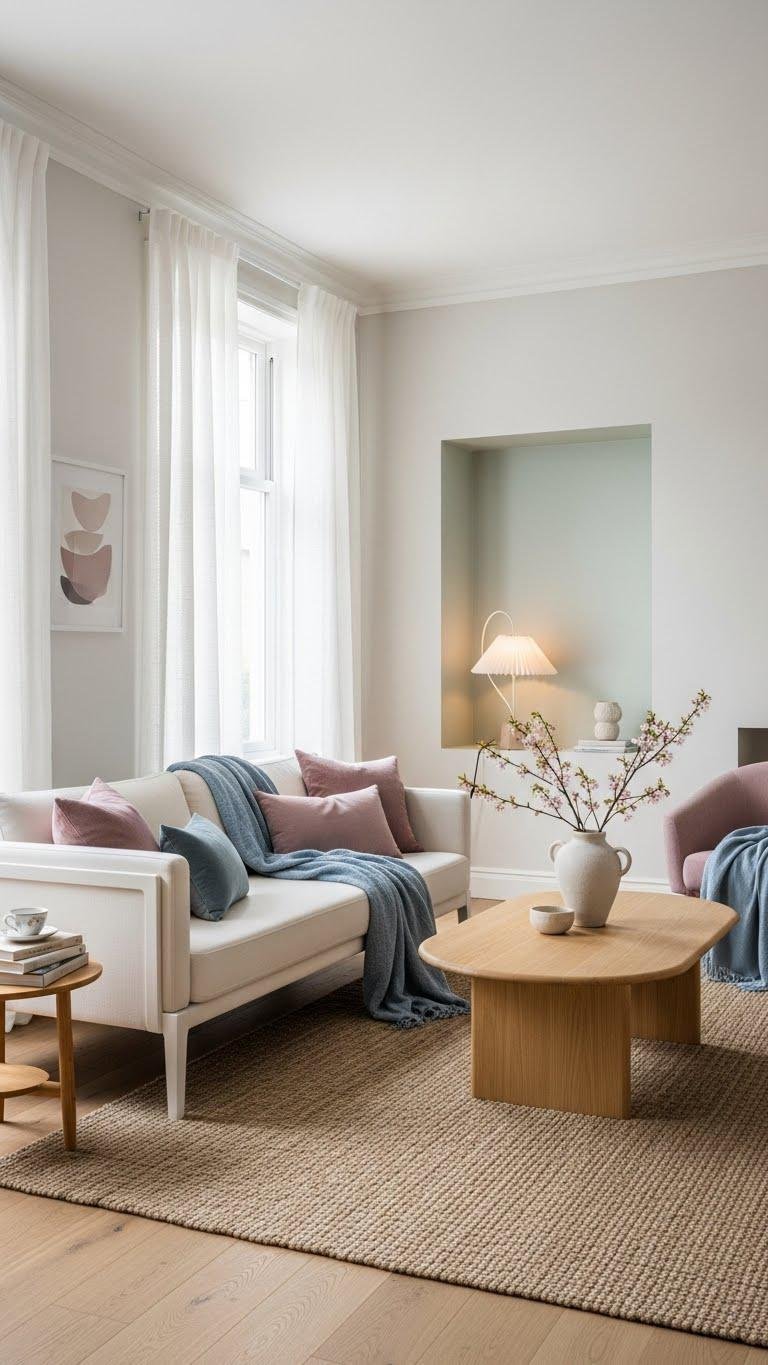
When you introduce soft, muted accent colors, they quietly anchor a room without competing with sculptural furniture or natural light.
Choose dusty mauve or powder blue for pillows, throws, or a painted alcove to add calm contrast. You’ll keep palettes airy by limiting saturation, pairing neutrals and tactile fabrics. These subtle tones let you express individuality while preserving a serene, uncluttered vibe.
Incorporate Sustainable, Handcrafted Pieces
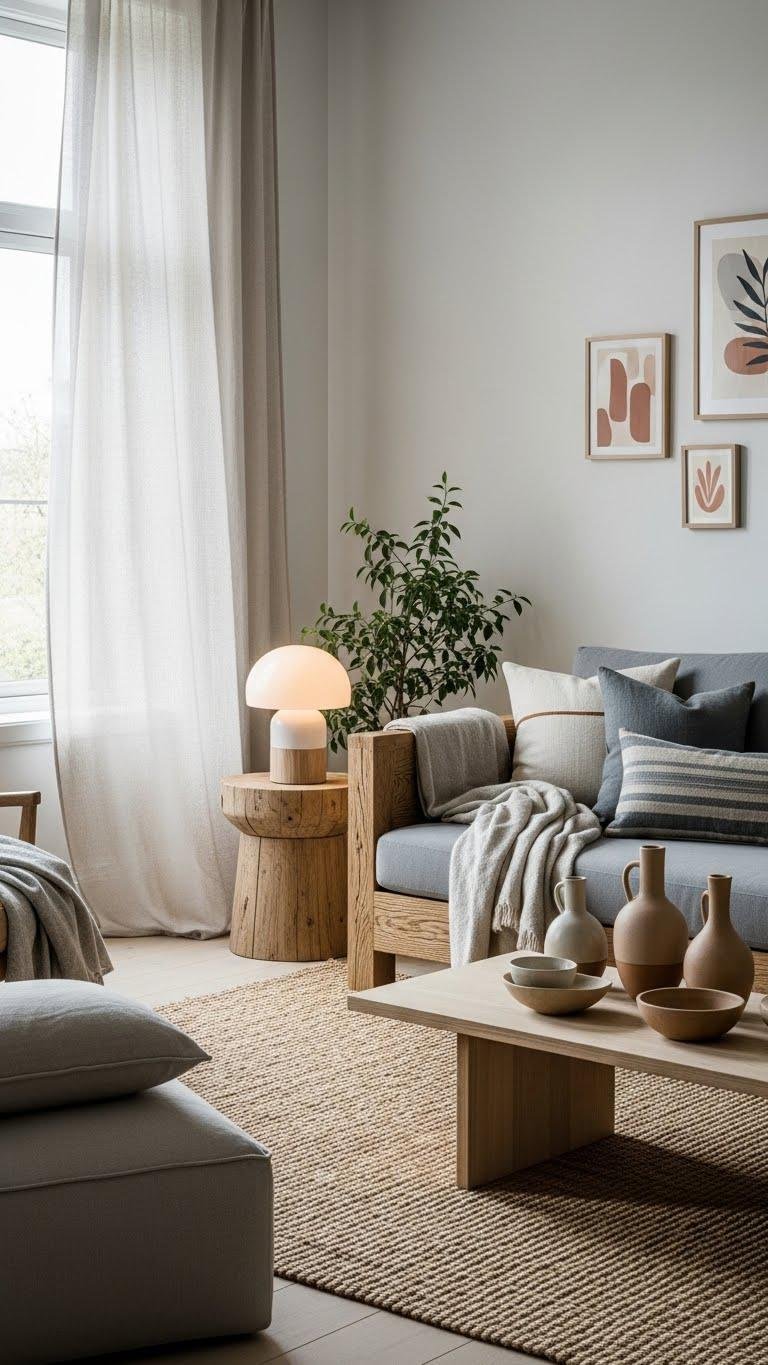
Muted accents set the mood; sustainable, handcrafted pieces give it character and conscience. You’ll choose artisanal furniture, handmade lighting and simple ceramics that feel personal and unforced.
Opt for reclaimed textiles for throws and cushions, pairing textures to invite touch. This minimalist, ethical approach frees your space from trends, promotes longevity, and lets daily calm emerge without excess.
Maximize Daylight and Views
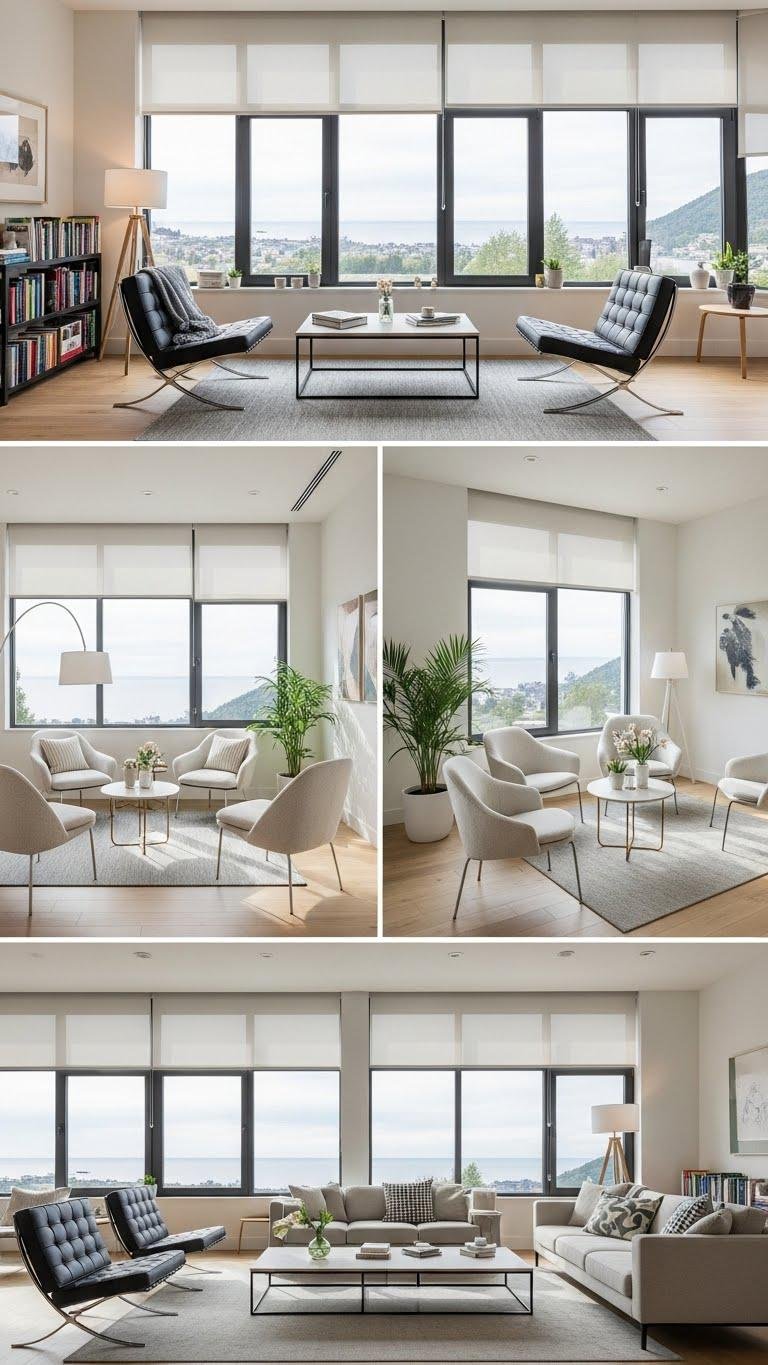
Light is your room’s simplest upgrade, so orient seating and sightlines to capture windows and frame views rather than block them. Embrace daylight zoning to layer tasks and moods—reading nooks, calm corners, and social areas get tailored light. Use low-profile furnishings and subtle window treatments for unobstructed view framing. You’ll feel freer, grounded, and more connected to the outdoors.
Create Intentional Negative Space

If you clear space deliberately, your room will breathe and every object will gain purpose. Embrace negative margins around furniture and art to define flow and calm. Let framed voids act as intentional pauses — they free visual energy, highlight chosen pieces, and reduce decision fatigue.
You’ll enjoy a lighter, more liberated home that feels edited, modern, and quietly confident.
Select Calming Large‑Scale Rugs
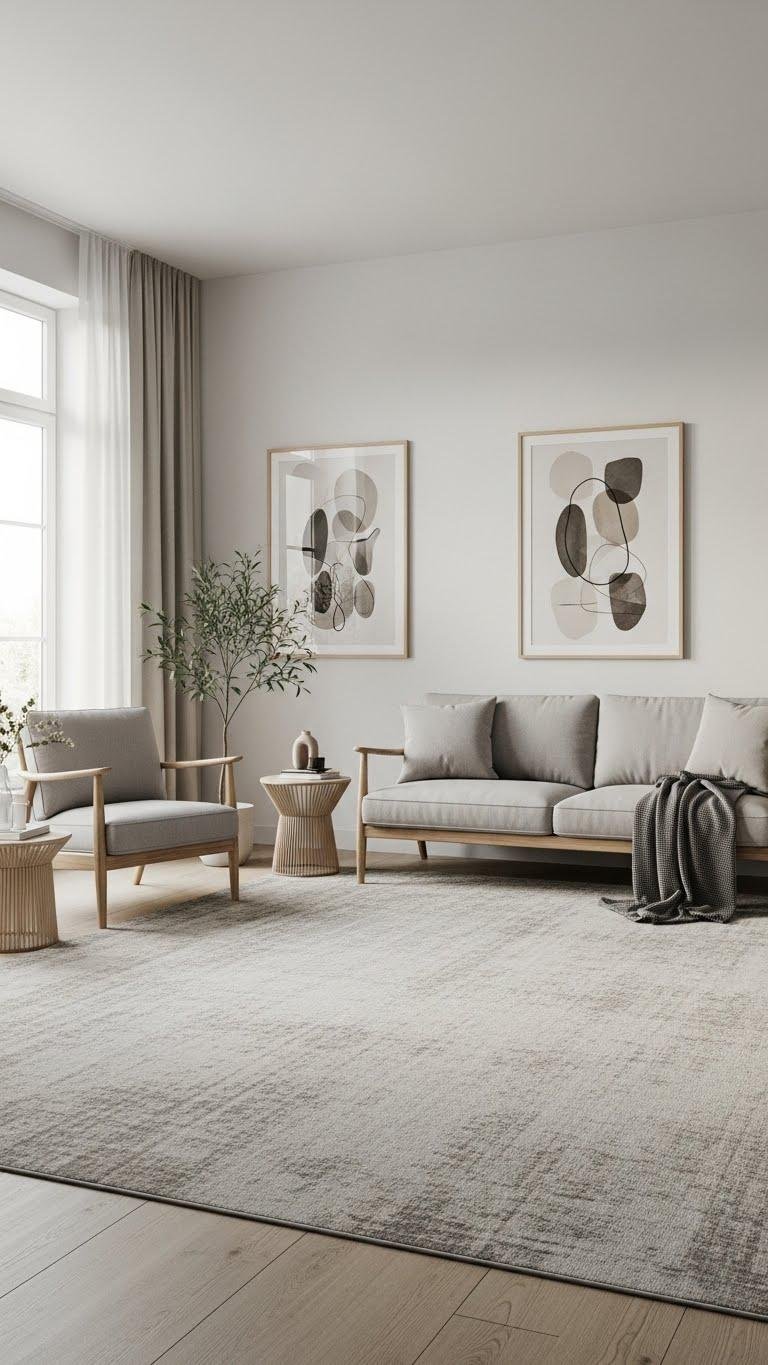
Once you’ve given furniture and art room to breathe, anchor those voids with a large-scale rug that reinforces calm without crowding the layout. Choose neutral tones, low sheen finishes and gentle patterns so the floor recedes. Opt for high pile where comfort and sound absorption matter, but pick durable, stain resistant fibers. Layer sparingly to keep openness and effortless freedom.
Hide Clutter With Built‑In Storage
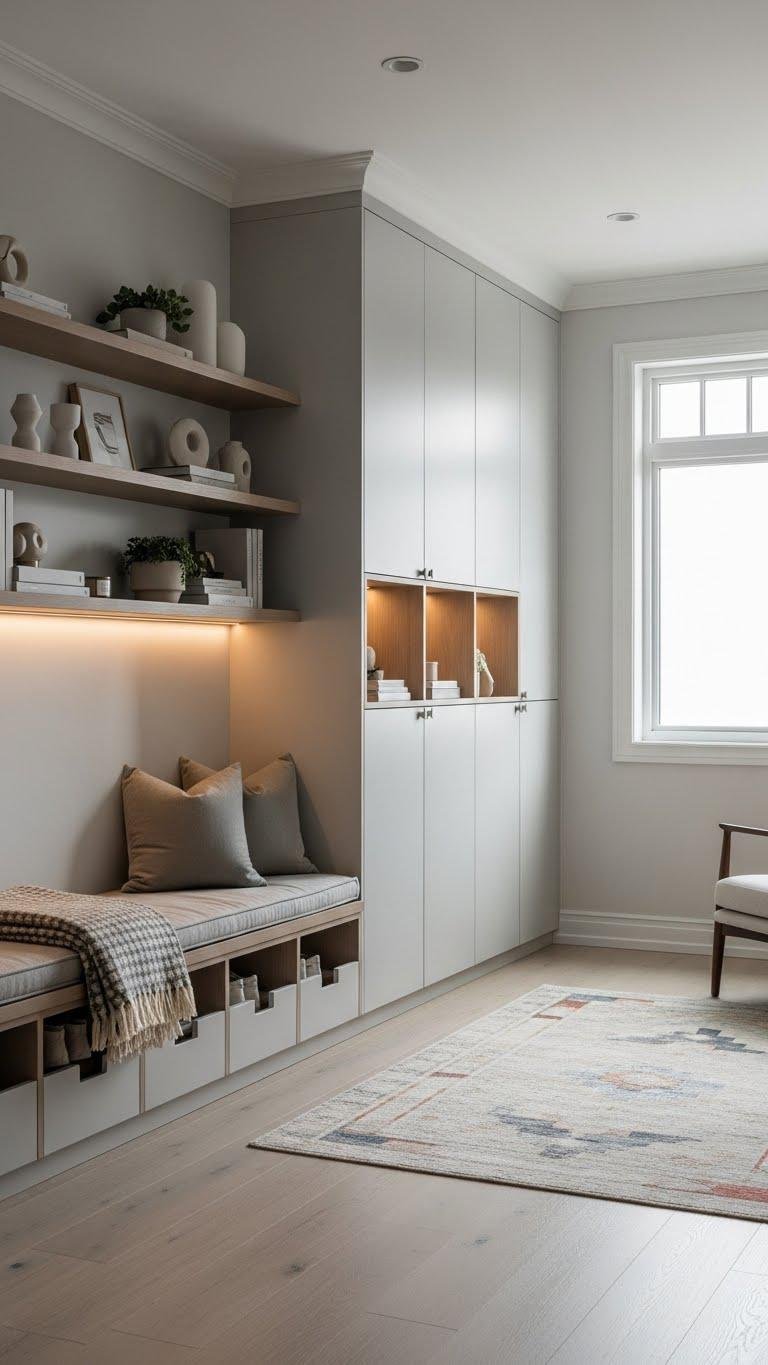
Tuck everyday mess out of sight with built-in storage that’s tailored to your room’s lines and rhythm. You’ll streamline surfaces with hidden cubbies in baseboards, benches and shelving, and use recessed benches to seat guests while concealing blankets or toys.
Choose muted finishes and clean hardware so storage feels calm, accessible, and freeing — designed to disappear, not dominate, your space.
Bring in Lush, Minimal Greenery
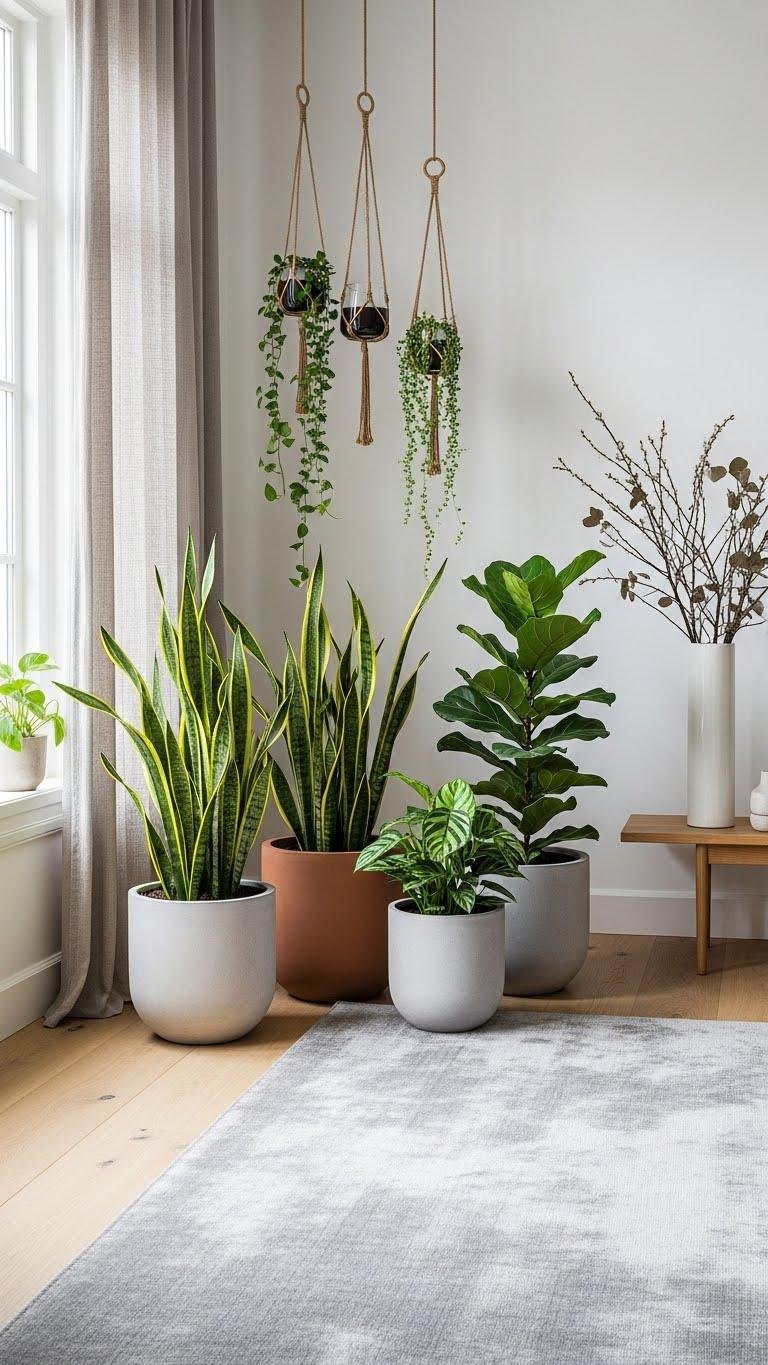
Bring in a few well-chosen plants to soften hard lines and add life without cluttering surfaces. Choose air purifying varieties and pair them with sculptural potting to make each piece intentional.
Use minimalist hanging planters for vertical interest and keep freedom-focused layouts. Rotate seasonal dried branches for texture when you want low-maintenance change, maintaining calm, uncluttered spaces that breathe.
Layer Ambient, Task, and Accent Lighting
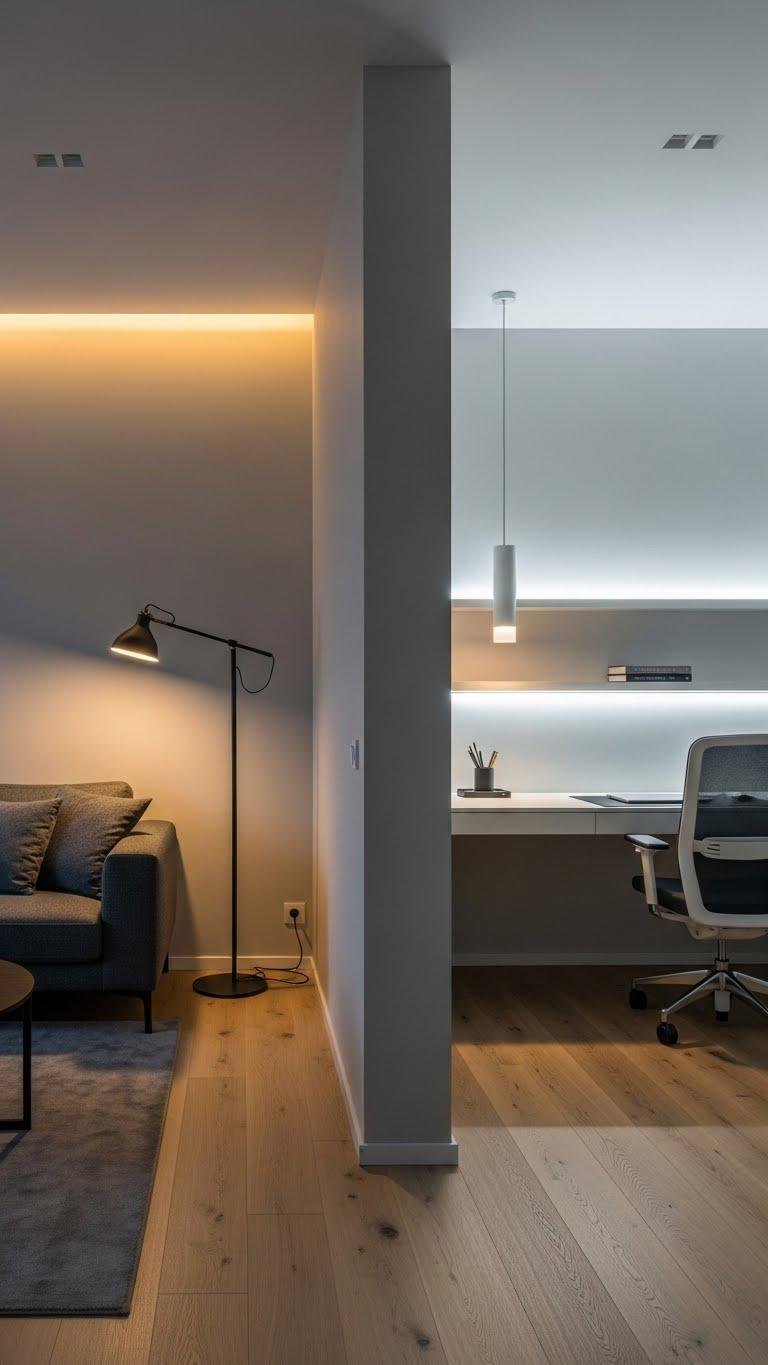
When you layer ambient, task, and accent lighting, you create a flexible, mood-driven room that’s both practical and polished.
You’ll mix soft ambient washes with directed task lamps and subtle accent spots, using rimless fixtures for clean lines and minimal distraction.
Embrace hue zoning to set scenes—warm for unwinding, cooler for focus—so your space adapts to how you want to live.
Choose Textiles in Natural Fibers
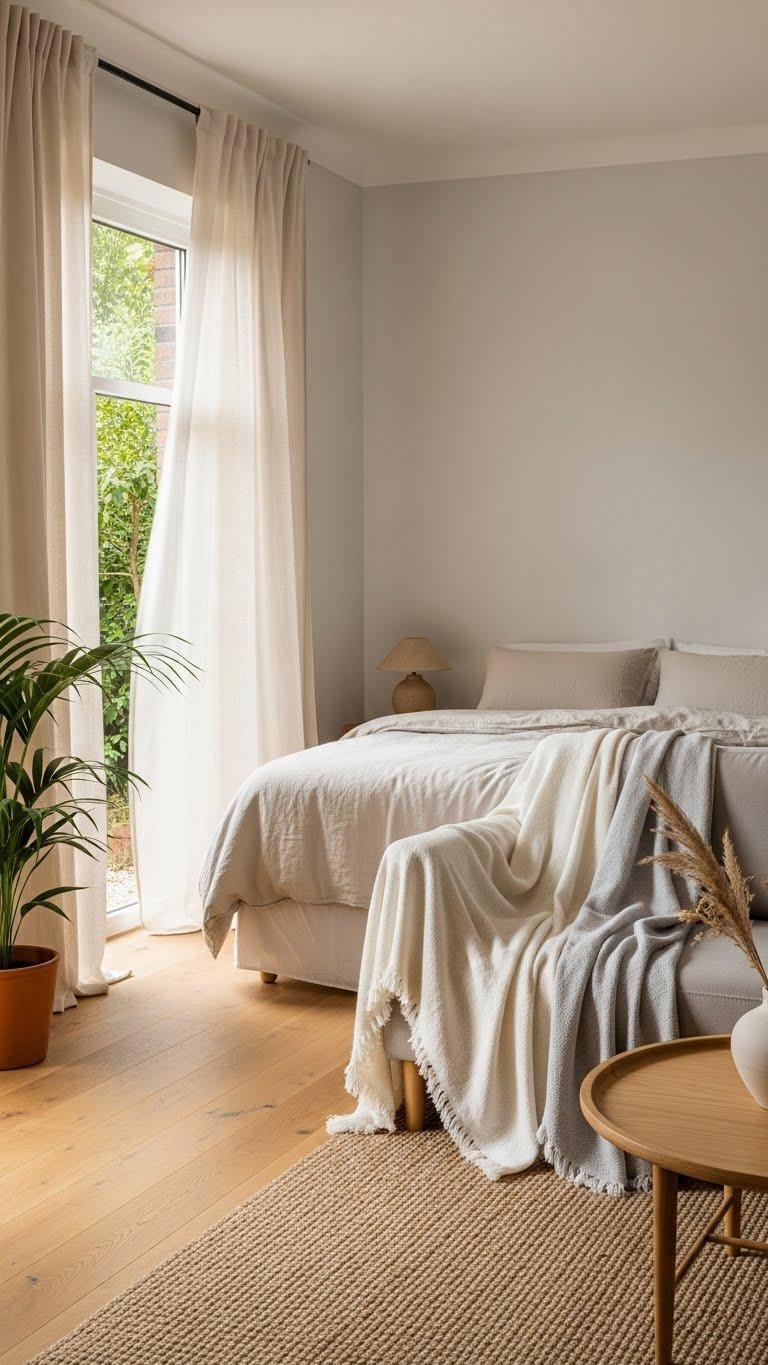
Choosing textiles in natural fibers makes your calm decor feel both timeless and tactile. You’ll favor linen blends for breathable sheets and relaxed curtains, pairing neutral tones with subtle texture. Add hemp throws for durable, earthy layering that invites movement and ease. Choose pieces that age gracefully, support sustainable practices, and let your space breathe — simple, free, and quietly sophisticated.
Balance Matte Black or Warm Metal Accents
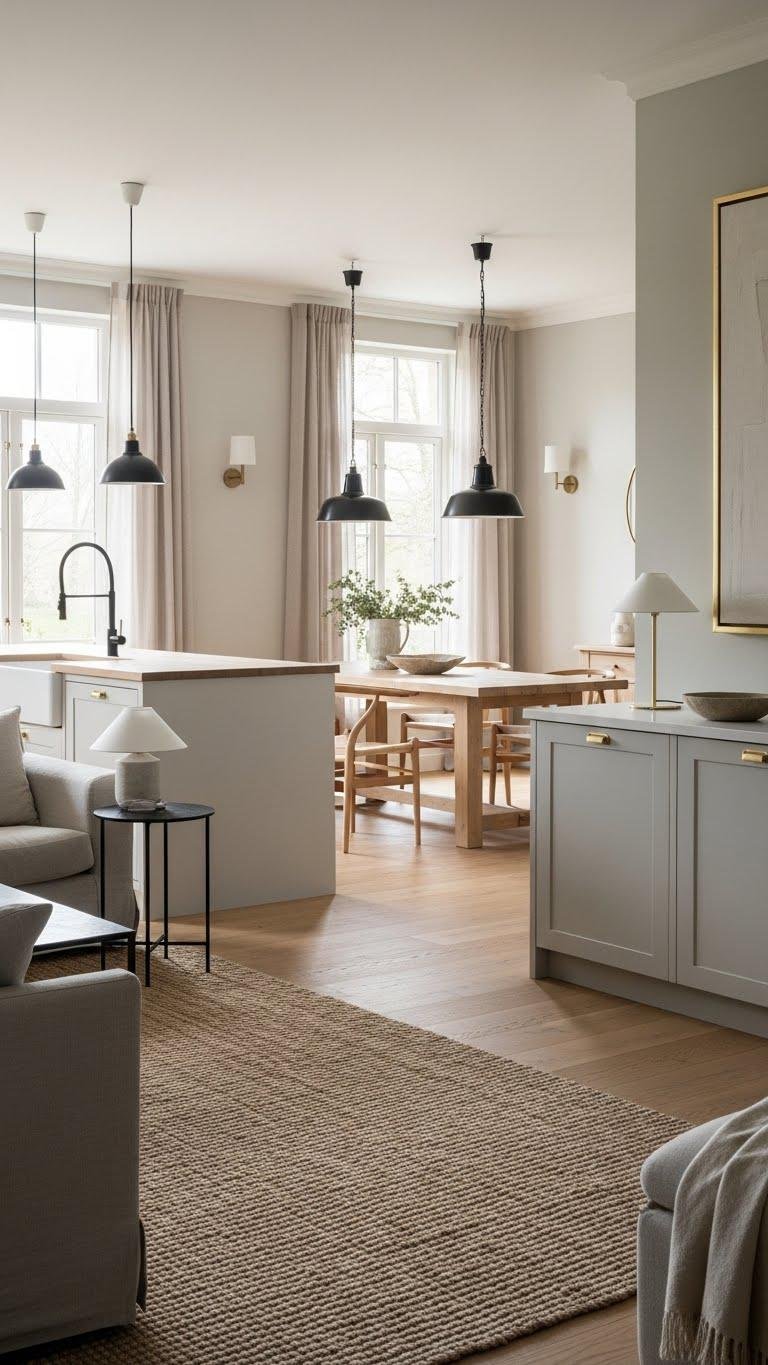
Although bold finishes can dominate a room, you can use matte black and warm metals sparingly to sharpen a calm palette and add visual anchor points. You’ll pair matte black fixtures with soft neutrals, letting lines read crisp without shouting. Introduce brass accents in small doses—hardware, a lamp base, or trim—to warm textures and support a relaxed, liberated atmosphere without cluttering the composition.
Limit and Scale Patterns Carefully

Use a Single Curved Statement Mirror

A single curved statement mirror can instantly elevate a calm room by introducing organic shape and reflective light without adding clutter.
Choose one piece with organic asymmetry to break rigid lines and amplify airy calm.
You’ll get layered reflections that expand space and mood, so position it where natural light hits subtly.
It’s a bold, freeing focal point that stays minimal and intentional.
Create Cozy Nooks for Slow Living
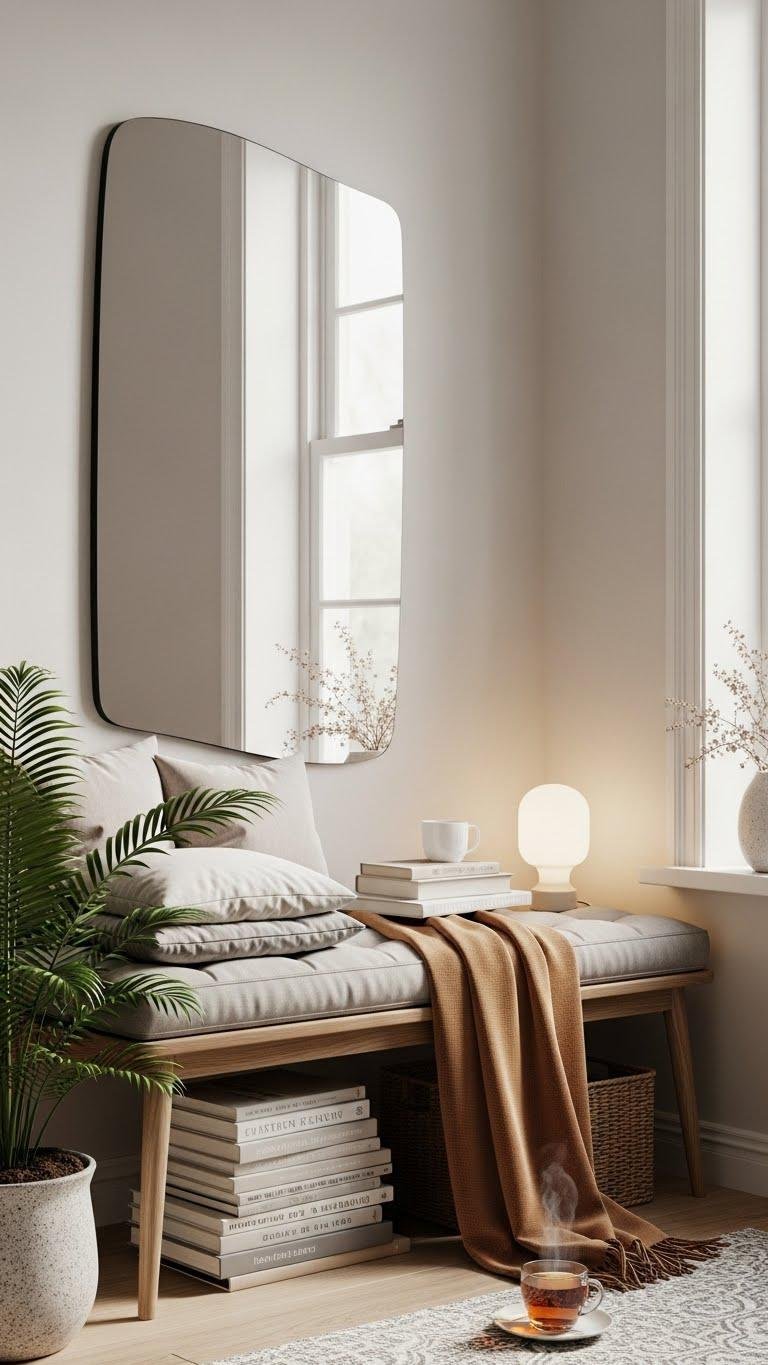
Let the single curved mirror set the tone for quieter moments by guiding you toward a dedicated cozy nook—an intentional corner where form meets function and slow living becomes tangible. Carve out a window bench or a reading alcove with layered textiles, soft lighting, and minimal accessories. You’ll create a liberated retreat that invites lingering, deep breaths, and uninterrupted presence.
Select Multi‑Functional Furniture
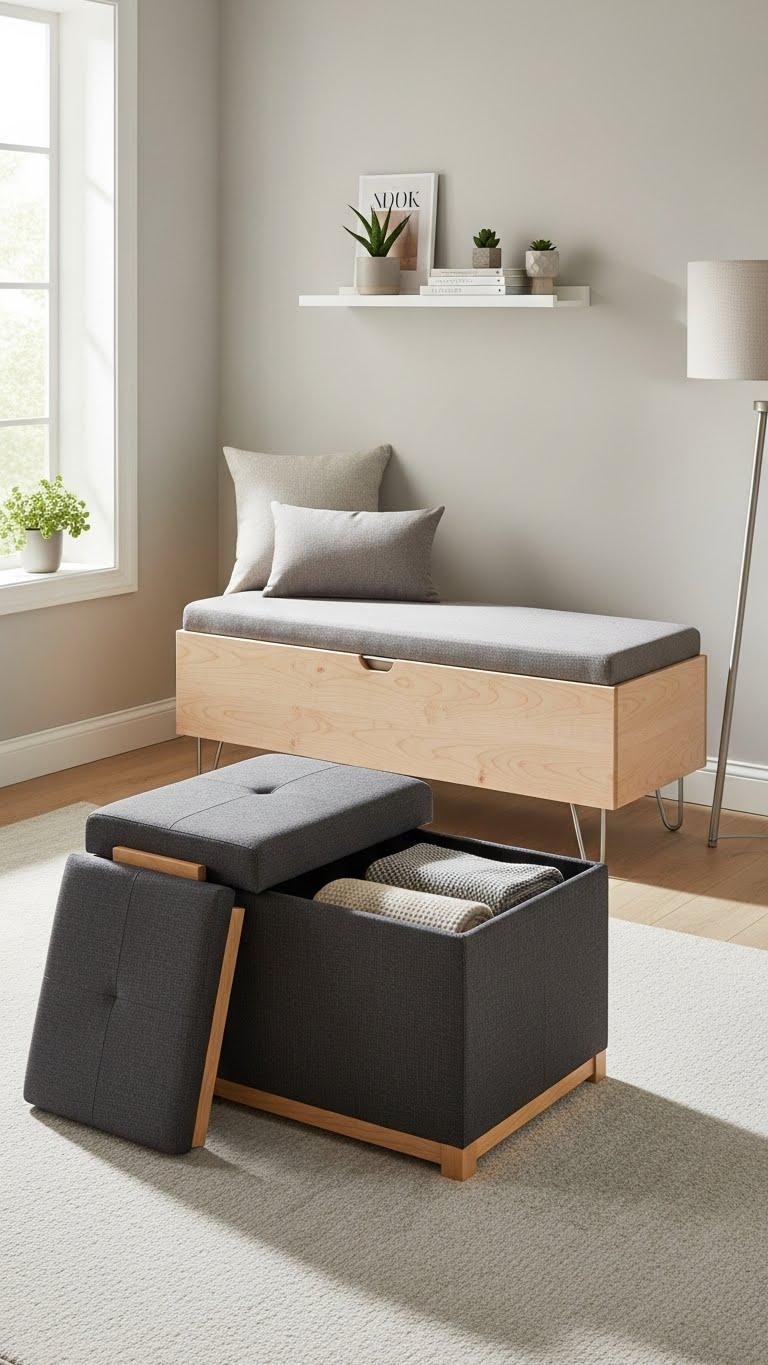
When space is limited and rhythms are slowing, choose furniture that earns its place: pieces that fold, store, or transform without shouting for attention. You’ll love transformative ottomans that hide blankets and double as seating, and convertible benches that expand into tables or extra beds. Pick clean lines, muted tones, and durable materials so each piece supports calm, flexible living and keeps clutter minimal.
Introduce Subtle Landscape Photography

Move from furniture that simplifies your routine to artwork that enhances the same calm: subtle landscape photography brings natural rhythm to a room without overwhelming it. You’ll choose prints with a soft horizon and restrained palette, using tonal framing to anchor sightlines. Hang at eye level, pair with minimal frames, and let imagery suggest open air so you feel unburdened and free.
Favor Tactile Ceramics and Stoneware
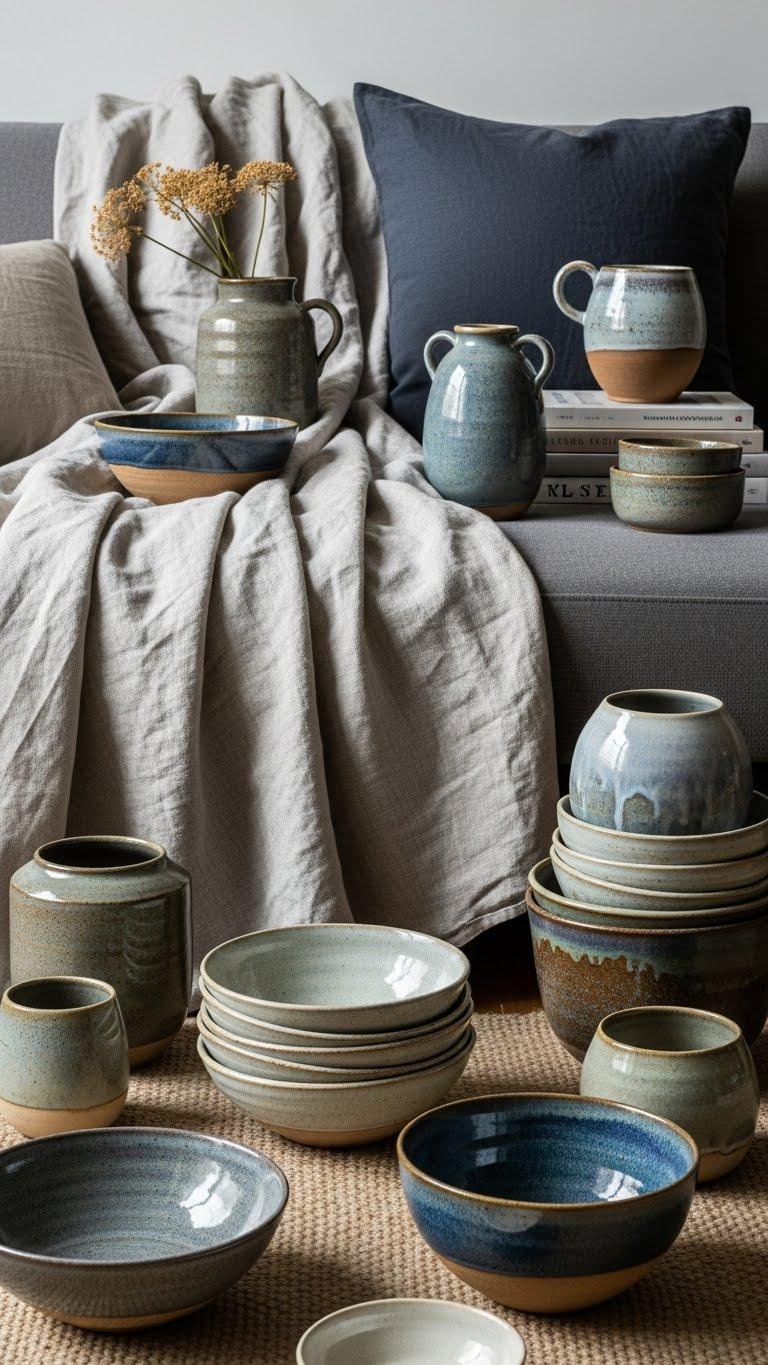
Often you’ll reach for ceramics and stoneware because their textures anchor a room the way a linen throw anchors a sofa.
You’ll choose pieces with handmade glaze and muted tones, mixing matte and glossy tactile finishes to invite touch.
Place bowls, vases, and planters where they breathe; their quiet craftsmanship gives your space calm confidence and a liberated, collected feel without clutter.
Keep Accessories Large and Few

Lean into scale: choose a few larger, well-made accessories rather than scattering many small items. You’ll let pieces breathe, curating oversized vases and minimal sculptures that anchor rooms without clutter.
Pick natural finishes, confident shapes, and meaningful accents that reflect your independence. Fewer, bolder objects create calm, visually spacious spaces where you can move, relax, and live intentionally.