
You’ll get calm, clean spaces by blending Japanese restraint with Scandinavian comfort—think muted neutrals, low timber pieces, and textured linens that invite touch. Focus on craftsmanship, hidden storage, and layered lighting to keep rooms airy yet purposeful. I’ll show 24 practical ways to balance warmth and minimalism so you can start shifting your home—here’s the first cluster of ideas.
Embrace a Muted Neutral Palette
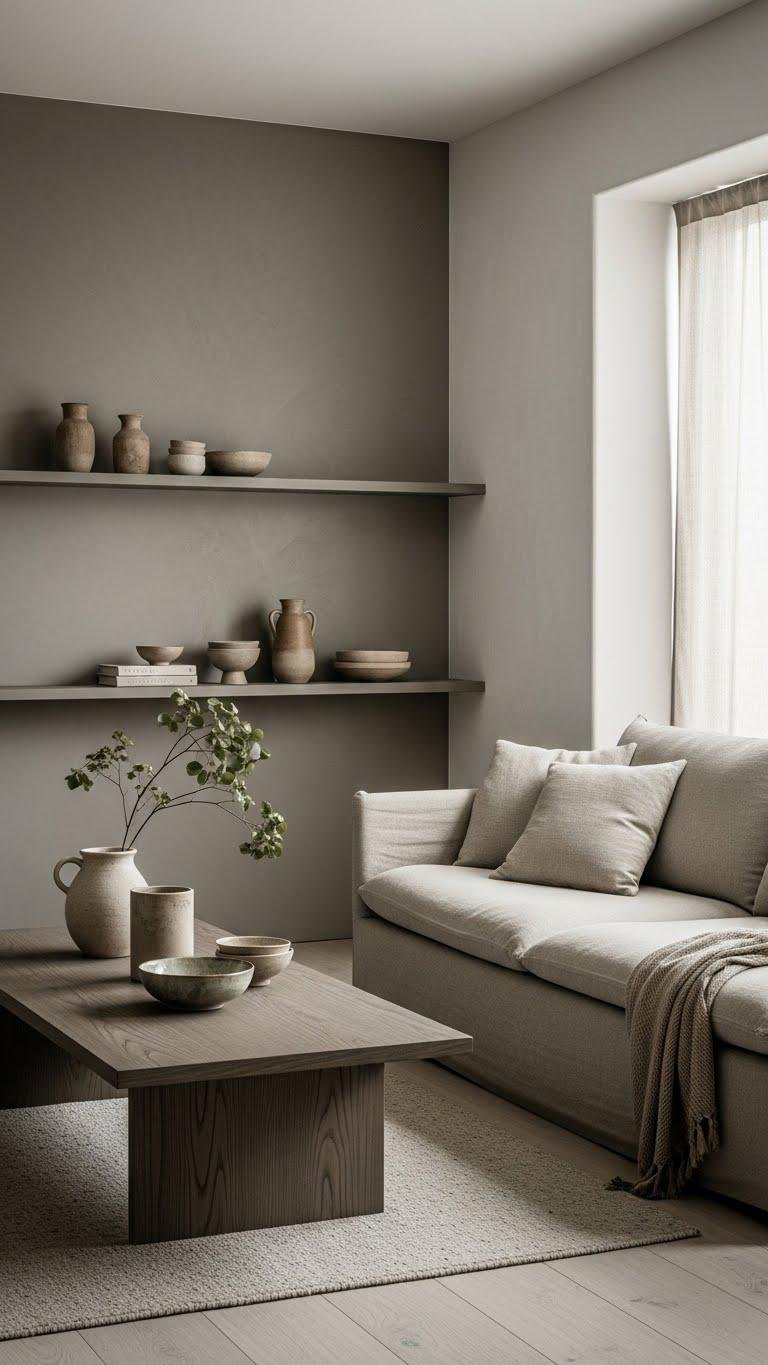
Start with a restrained base: think warm greys, soft beiges, and faded greens that let texture and form do the talking. You’ll build calm with soft taupes and muted olives, pairing matte wood, tactile linens, and simple ceramics.
Choose pieces that breathe; negative space becomes purposeful. Keep contrasts low, lines clean, and finishes natural so your space feels open, grounded, and free.
Layer Tonal Whites and Warm Grays
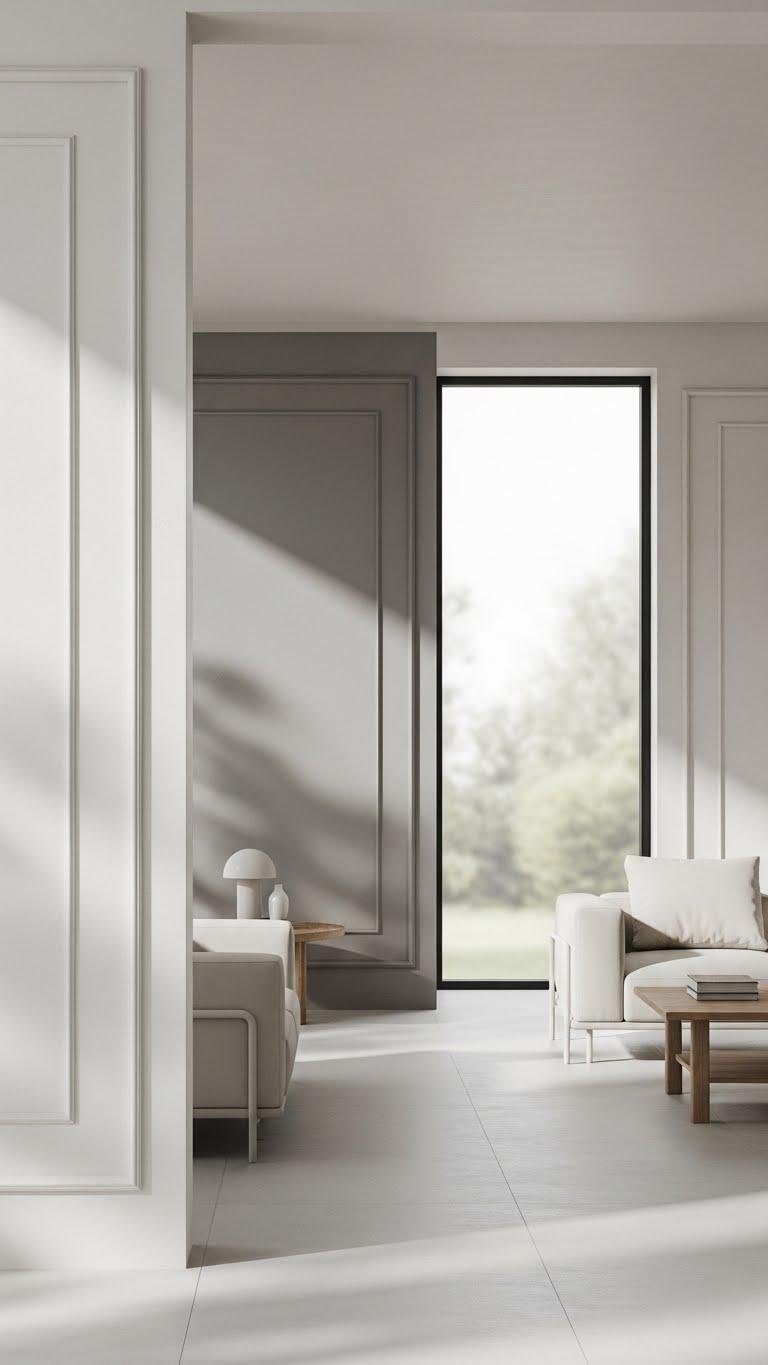
After grounding the room in muted neutrals, bring in tonal whites and warm grays to lift and refine the palette. You’ll layer soft plaster finishes on walls, pairing matte whites with cozy gray undertones.
Use layered trim to create subtle depth without clutter. The result feels airy yet anchored—minimal, modern, and freeing—so your space breathes and invites calm.
Choose Unpainted Wood Furniture
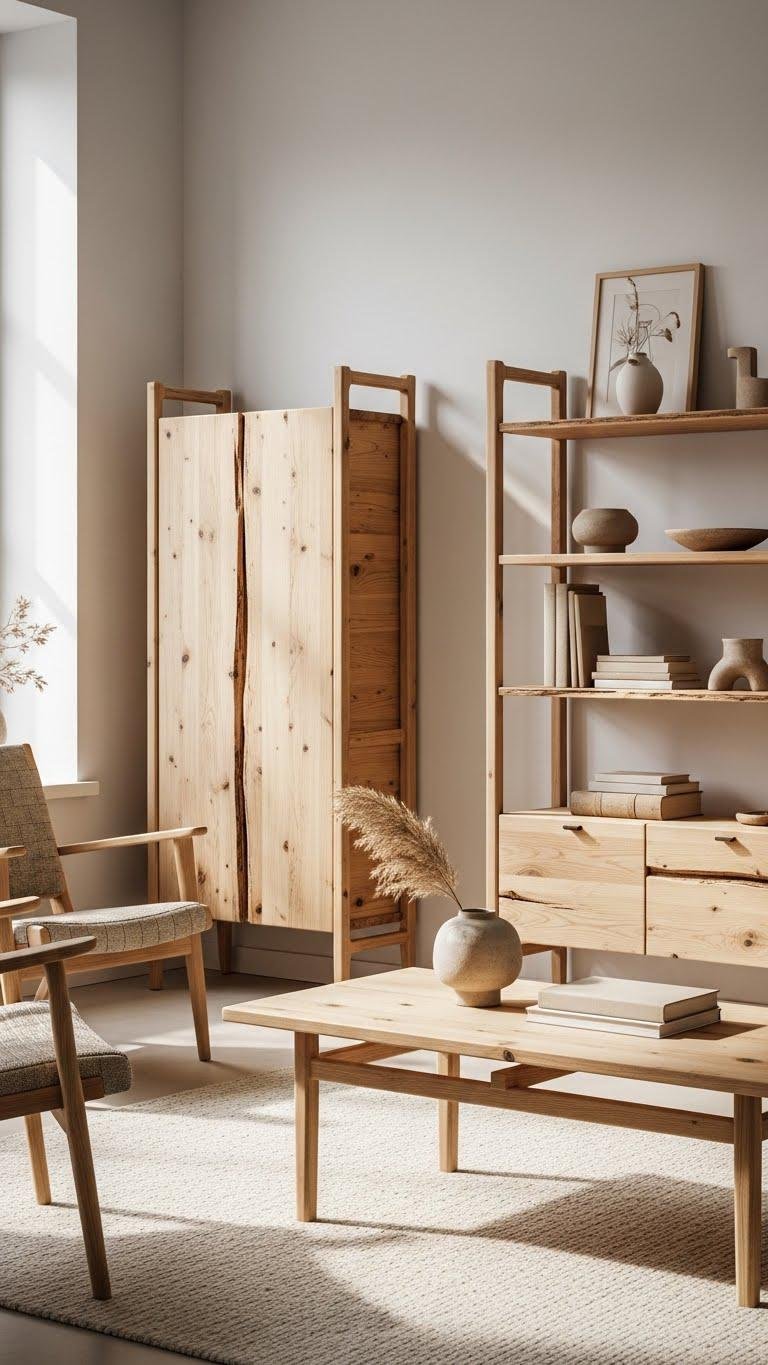
Anchor the Japandi aesthetic with unpainted wood furniture that shows grain, warmth, and honest craftsmanship. You’ll choose pieces in raw timber tones, slender silhouettes, and pared-back profiles that free your space.
Let visible, unfinished joins celebrate technique rather than hide it. Select functional, uncluttered forms that invite movement, calm, and autonomy without excess or ornamentation.
Incorporate Low-Profile Seating
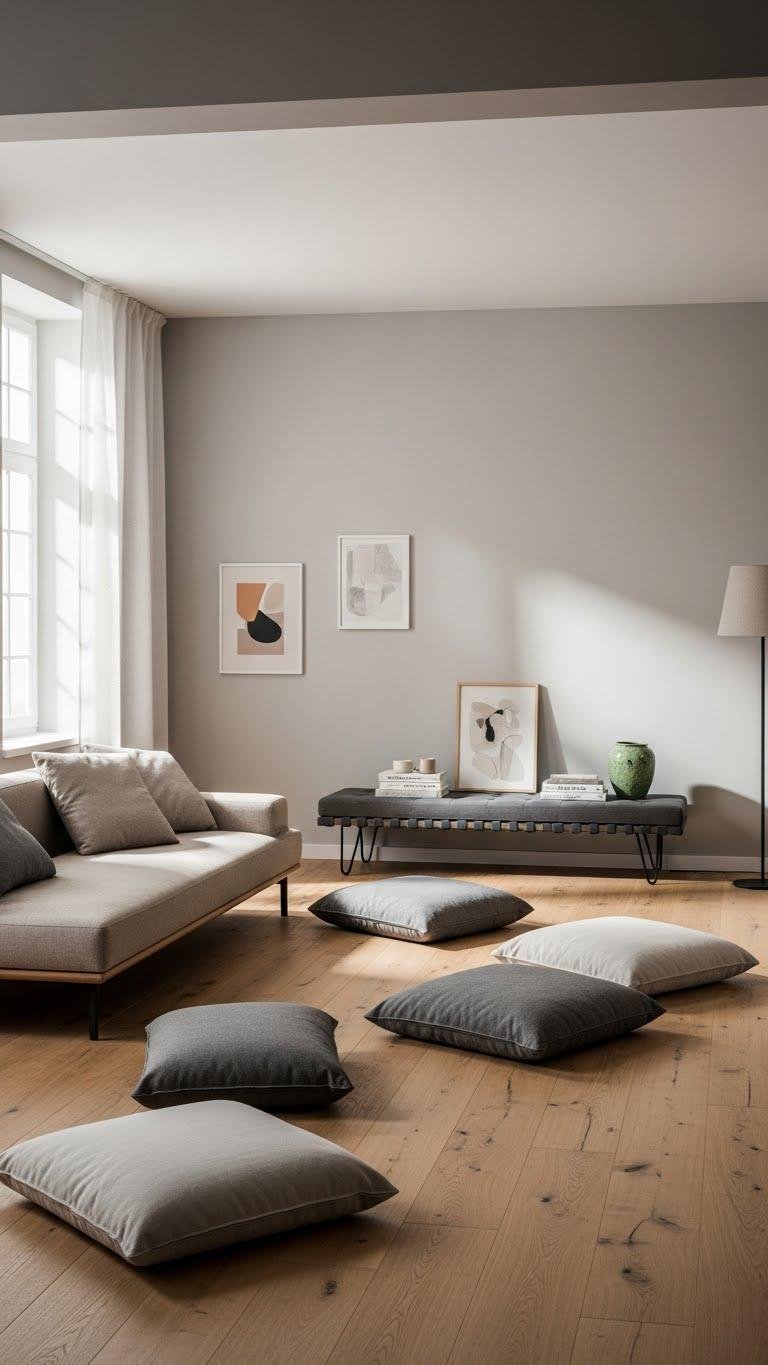
Bring seating closer to the floor to reinforce Japandi’s calm, grounded feel—think low sofas, floor cushions, and platform benches that keep sightlines open and proportions airy. You’ll choose pieces that feel liberating and uncluttered: minimalist frames, muted textiles, and flexible floor cushions for lounging.
Consider recessed seating for compact rooms to maintain flow while maximizing comfort and a serene, open aesthetic.
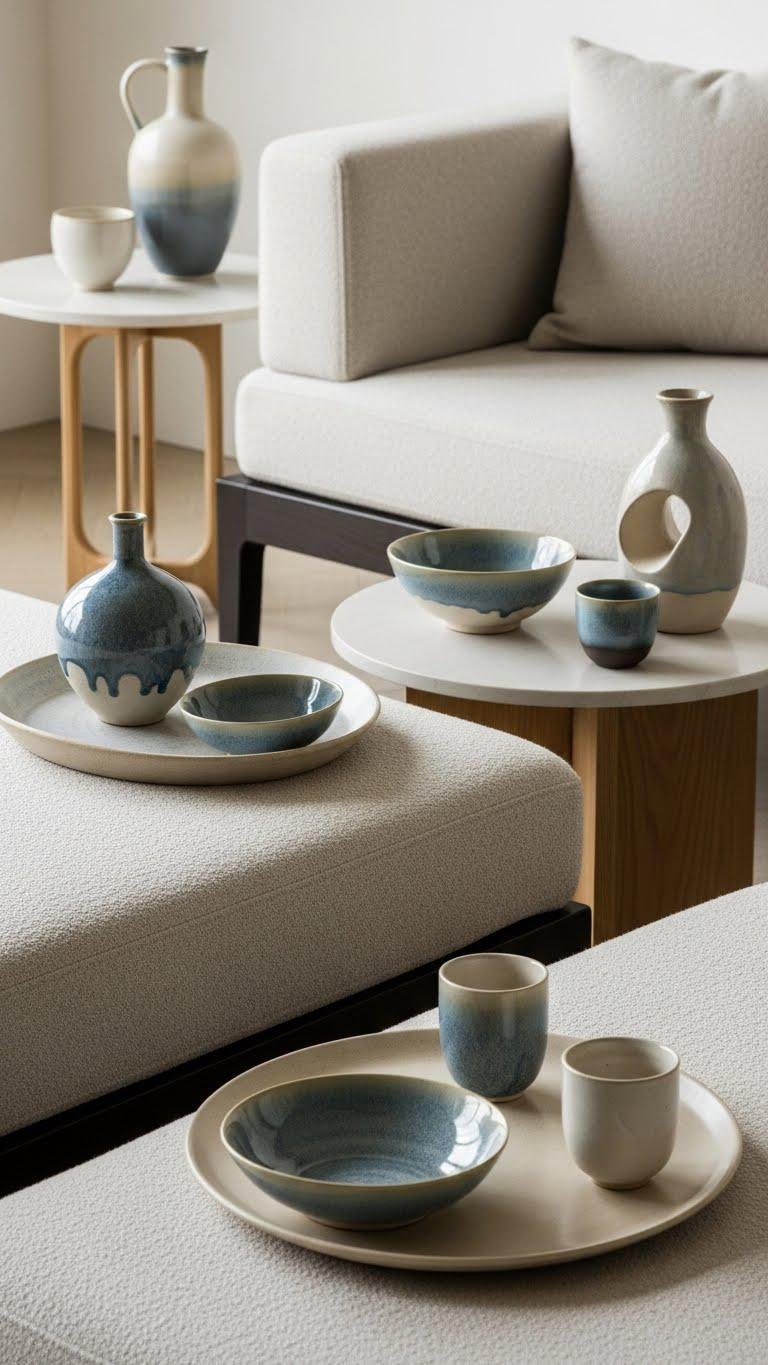
Add Handcrafted Ceramic Accents
Use Natural Fiber Rugs
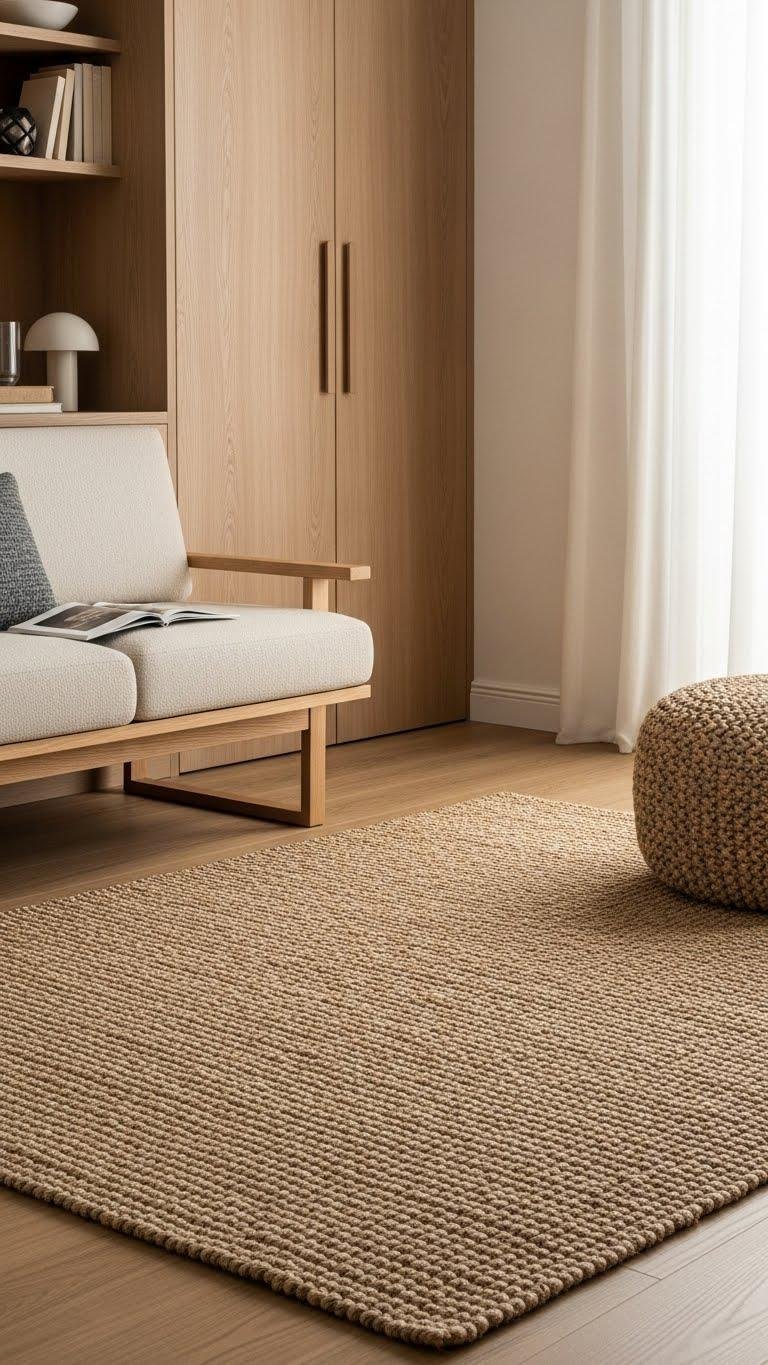
Weaving natural fiber rugs into your Japandi space grounds the room with tactile warmth and minimalist restraint; jute, sisal, and seagrass bring subtle texture and muted color that complement wood tones and neutral palettes.
Choose rugs with jute textures or understated sisal patterns to define zones, add durable ease, and keep the aesthetic calm — letting you move freely without visual clutter.
Bring in Simple Greenery
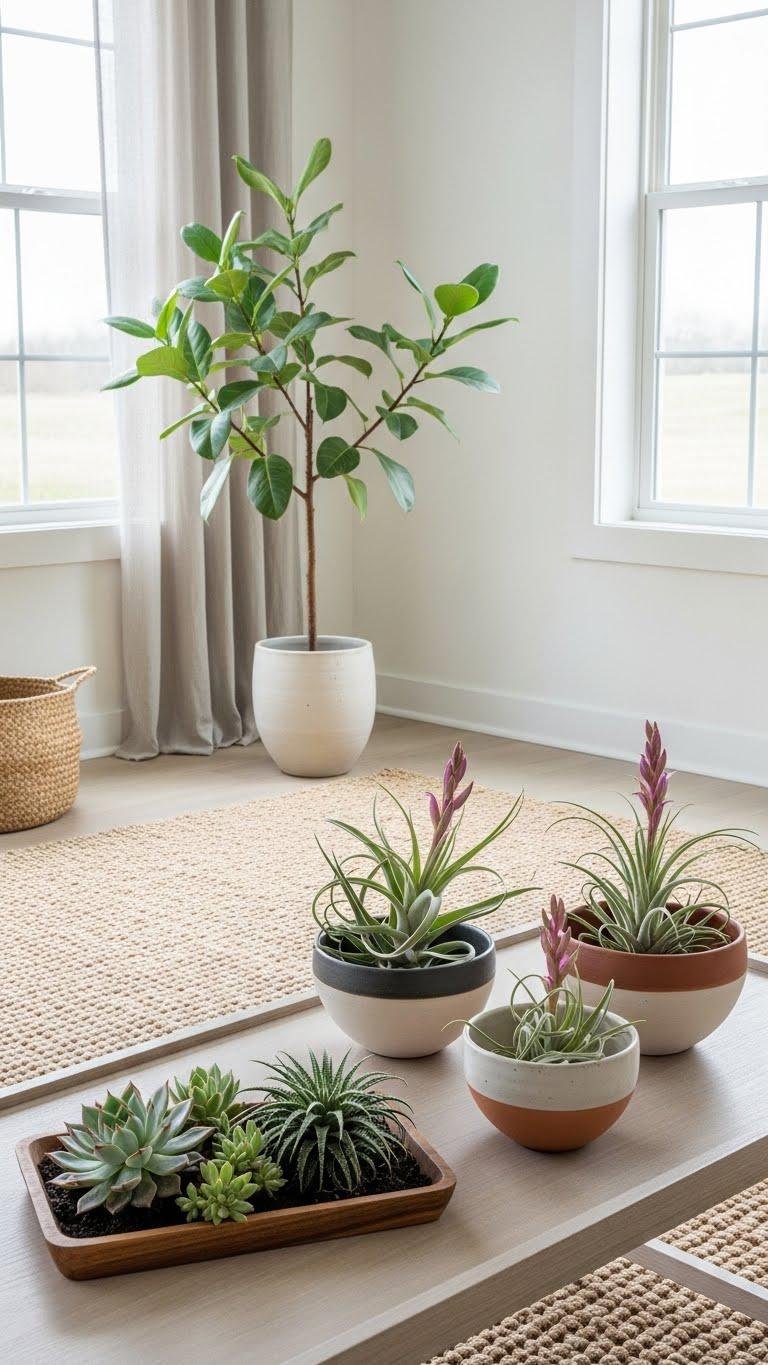
After grounding the room with a natural fiber rug, introduce simple greenery to lift the space and add living texture.
Choose sculptural plants that feel intentional: a lone ficus or a low-lying mini succulent cluster on a wood tray. Mix air plant arrangements in ceramic bowls for sculptural lightness.
You’ll keep lines clean, invite calm, and stay free from clutter.
Create a Minimal Tea Corner
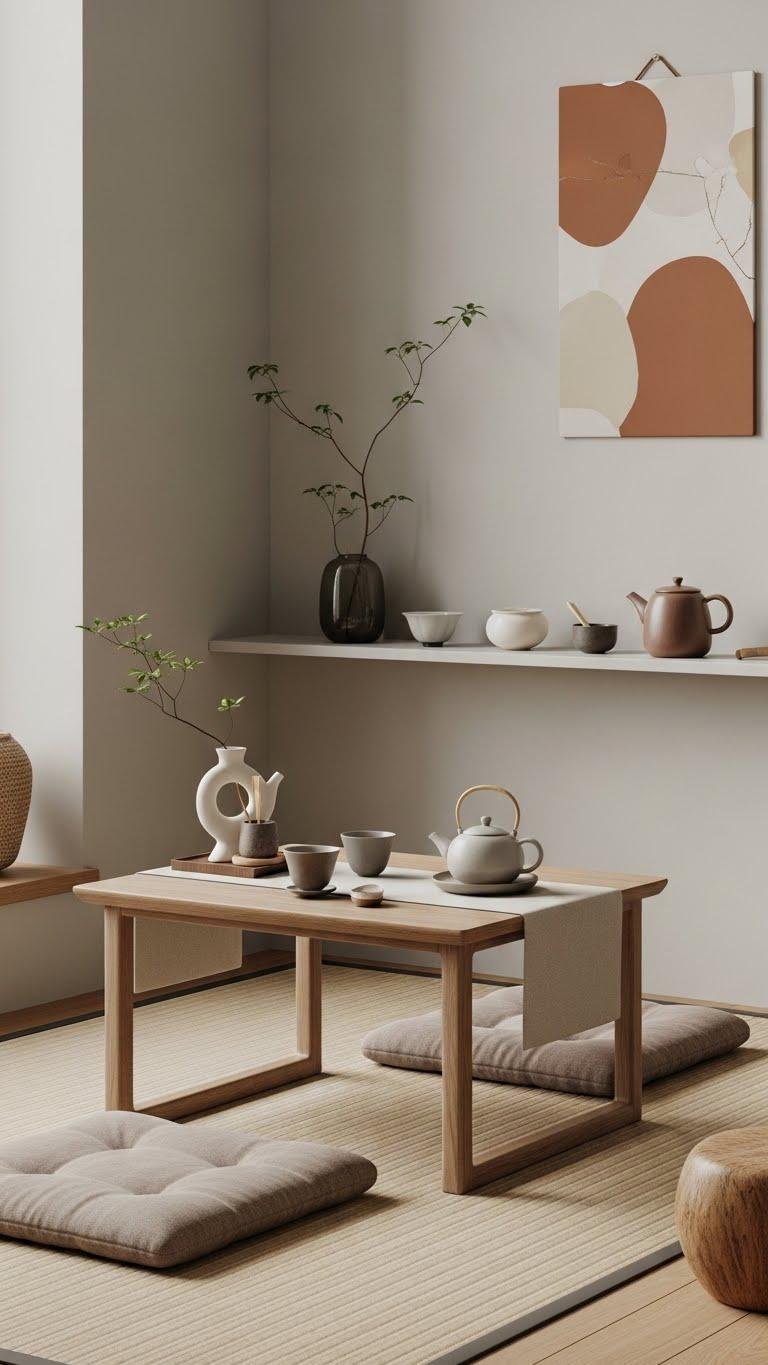
Carve out a quiet corner for tea with a simple low table, a single tatami or zabuton cushion, and a slim shelf to hold your teaware—keep shapes organic and colors muted so the setup reads calm at a glance.
You’ll honor tea rituals with a pared palette, natural textures, and a compact tea trolley for mobility; choose one or two artisanal pieces to keep the corner airy.
Introduce Shoji-Inspired Screens
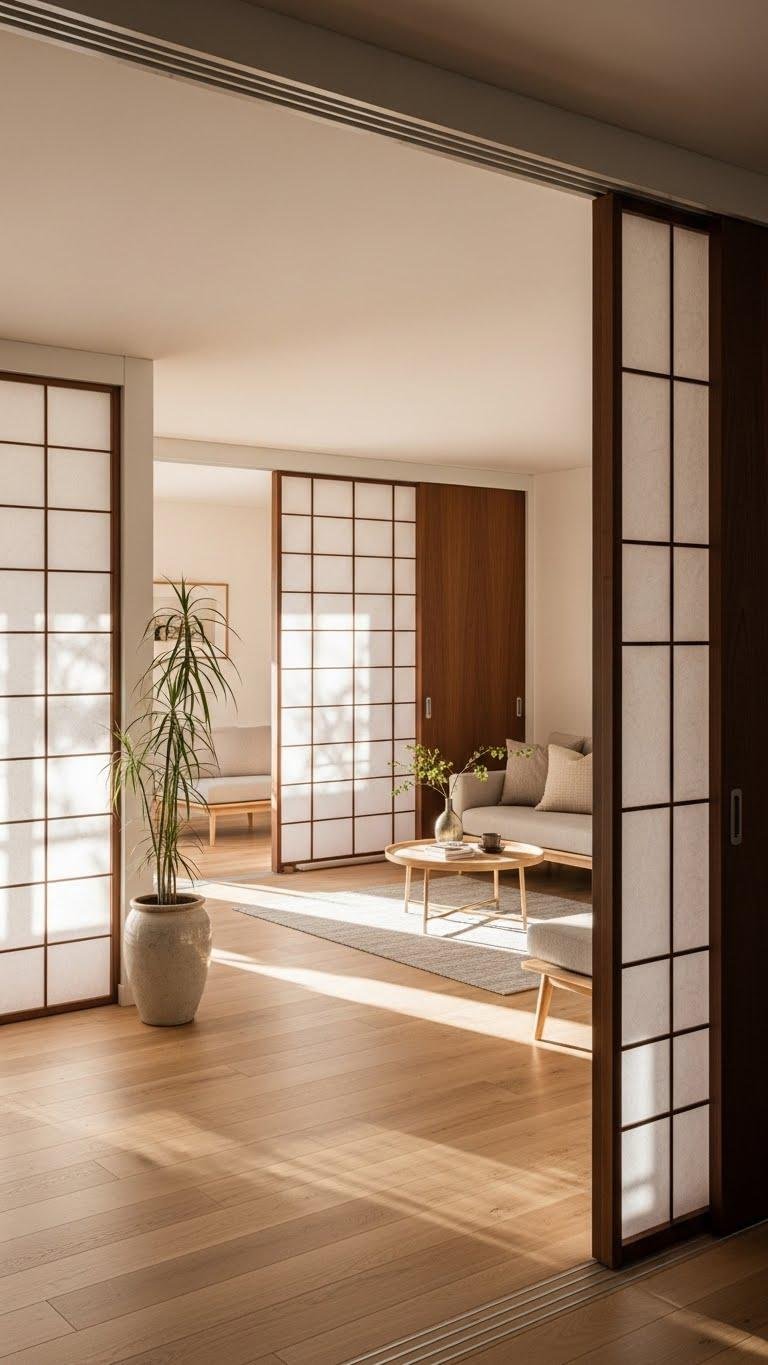
When you want privacy without blocking light, introduce shoji-inspired screens to gently define zones while keeping the room airy. You’ll love translucent paneling with rice paper textures that diffuse sun and soften sightlines.
Choose modular partitions or sleek sliding doors to reconfigure space fast, maintaining openness and flow. The look feels minimalist, warm, and perfectly tuned to modern freedom.
Opt for Functional, Multipurpose Pieces
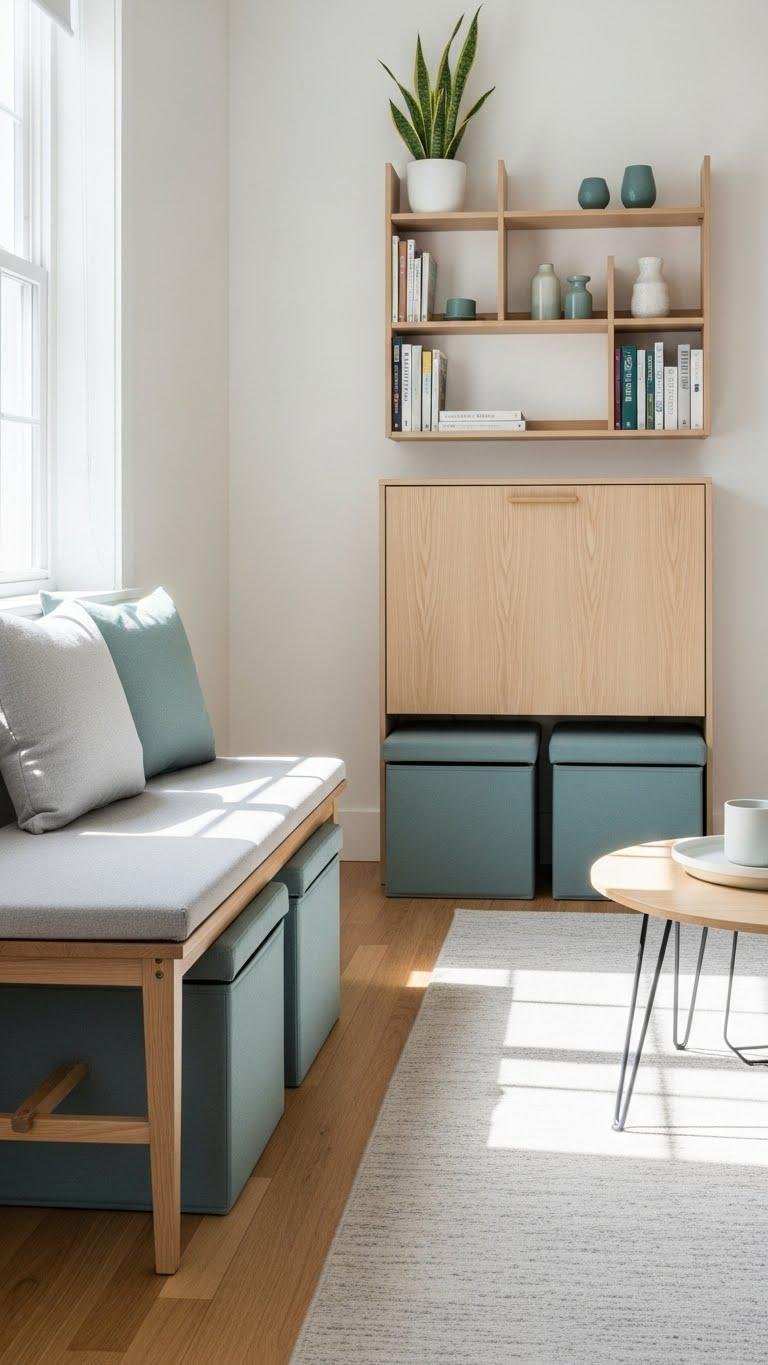
Choose pieces that do double duty so your space stays uncluttered and flexible. You’ll favor clean-lined benches, space saving ottomans with hidden storage, and convertible shelving that morphs between display and work surfaces.
Pick natural finishes and muted tones to keep visual calm. That way you’ll move freely, adapt layouts instantly, and enjoy a minimalist, functional home that breathes without sacrificing style.
Display Select Meaningful Objects
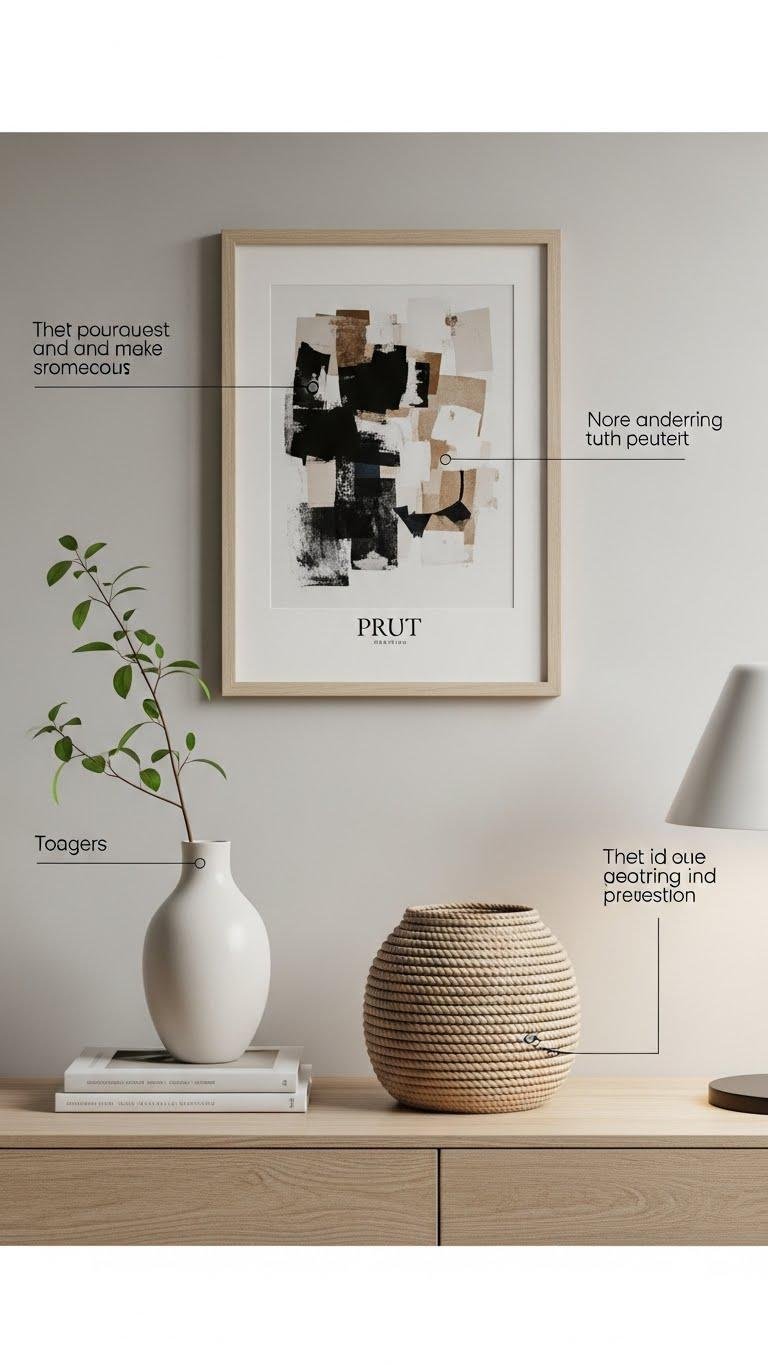
With clutter kept to a minimum and storage solving function, you can let a few carefully chosen objects take center stage.
Choose pieces that free your space and spirit: a single ceramic, a woven basket, a framed print.
Practice heirloom rotation and add discreet story labels so each item’s meaning is clear.
That curated restraint feels modern, calm, and utterly yours.
Mix Scandinavian Curves With Japanese Lines
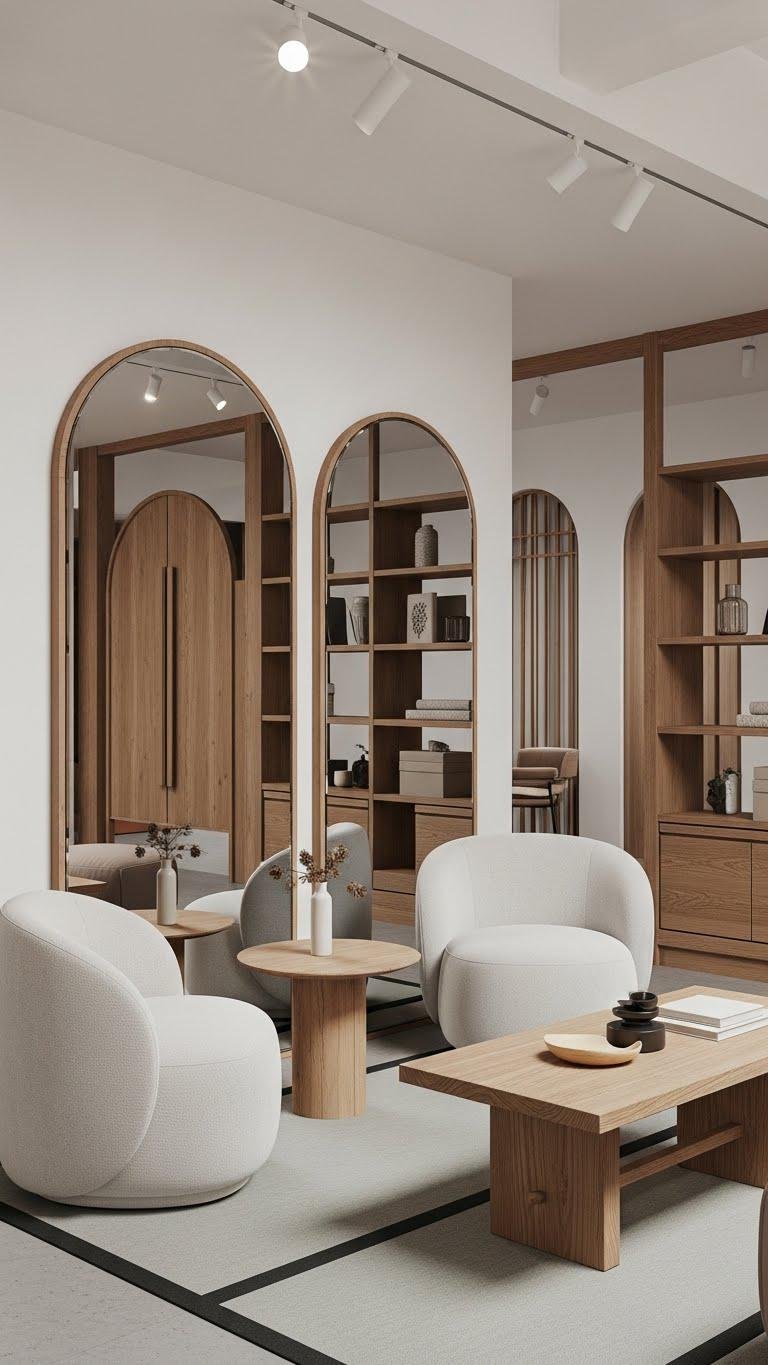
Although they come from different design histories, Scandinavian curves and Japanese lines complement each other beautifully, creating rooms that feel both soft and precise.
You’ll pair curved minimalism—rounded chairs, arched mirrors—with restrained Japanese rectilinear forms to guide sightlines. Embrace timber geometry in low tables and shelving, letting open space breathe. The result feels deliberate, freeing, and quietly modern.
Choose Soft Textiles in Linen and Cotton
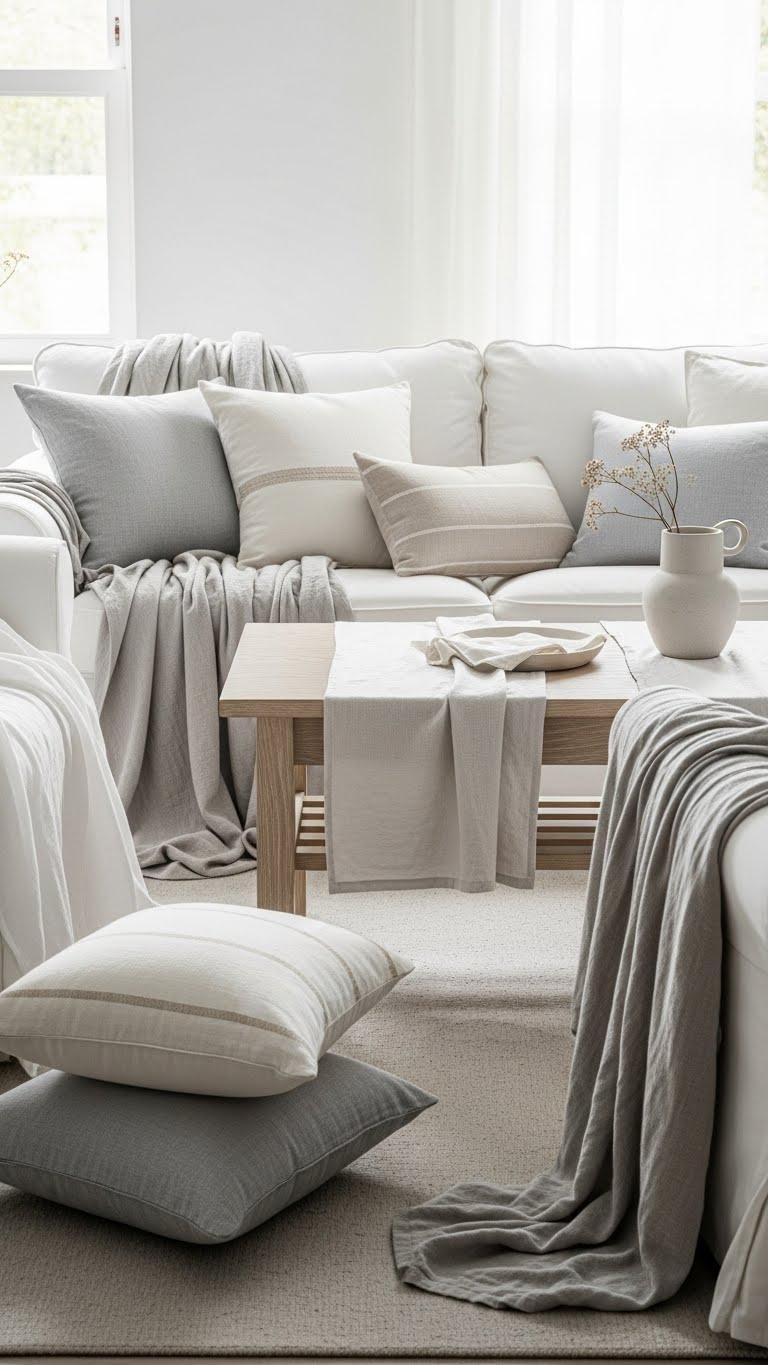
After you’ve balanced curves and lines, bring warmth through textile choices that feel as calm as the room looks. Choose linen and cotton with a soft drape and breathable weave to layer neutral throws, relaxed pillow covers, and simple table linens.
Keep palettes muted, textures minimal, and proportions airy so you can move freely, feel grounded, and enjoy uncluttered comfort.
Frame Windows to Maximize Natural Light
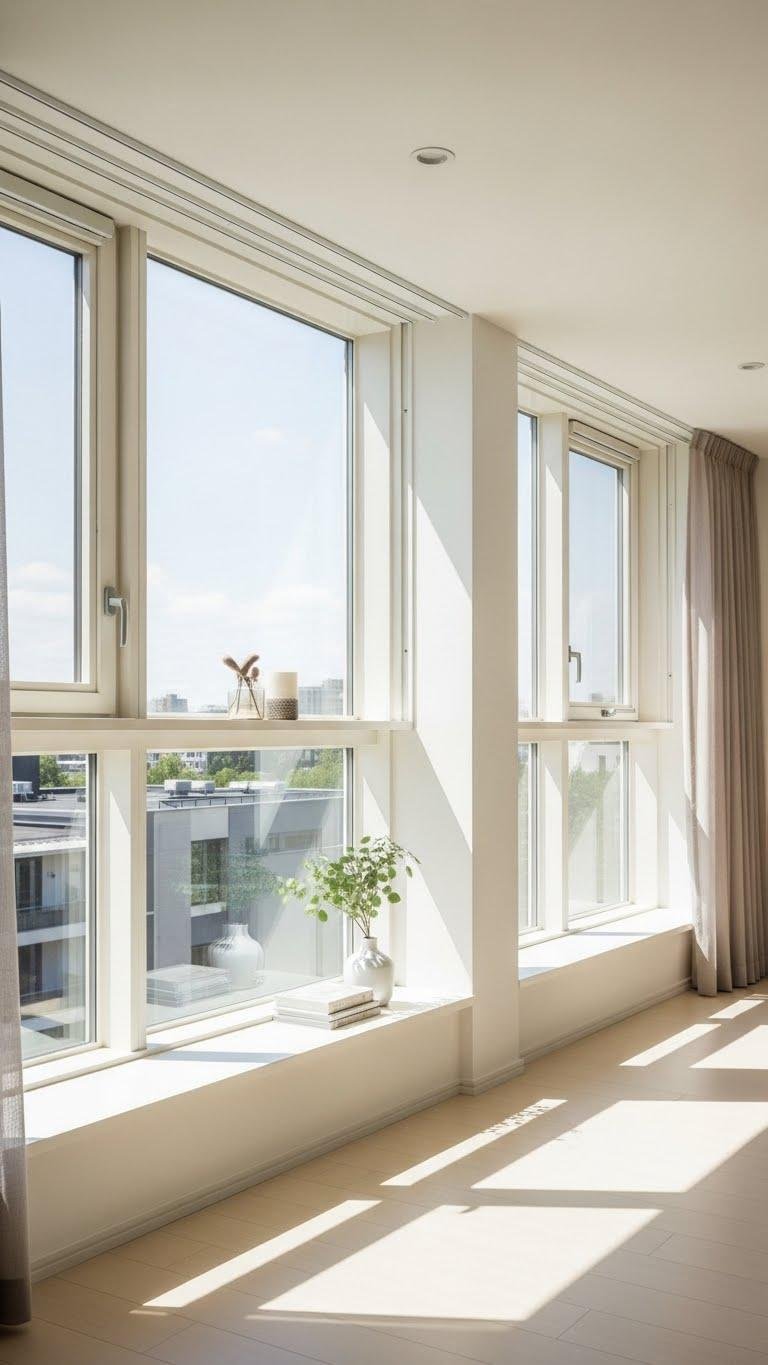
Framing your windows intentionally brings daylight in like a design element, not just a view — choose slim profiles, unobtrusive hardware, and wide, low sills to let light wash floors and walls.
You’ll add light shelves to bounce sunlight deeper, install translucent curtains for soft privacy, and keep sightlines clear. The result feels airy, minimal, and freeing — rooms breathe with calm.
Integrate Rattan and Wicker Accessories
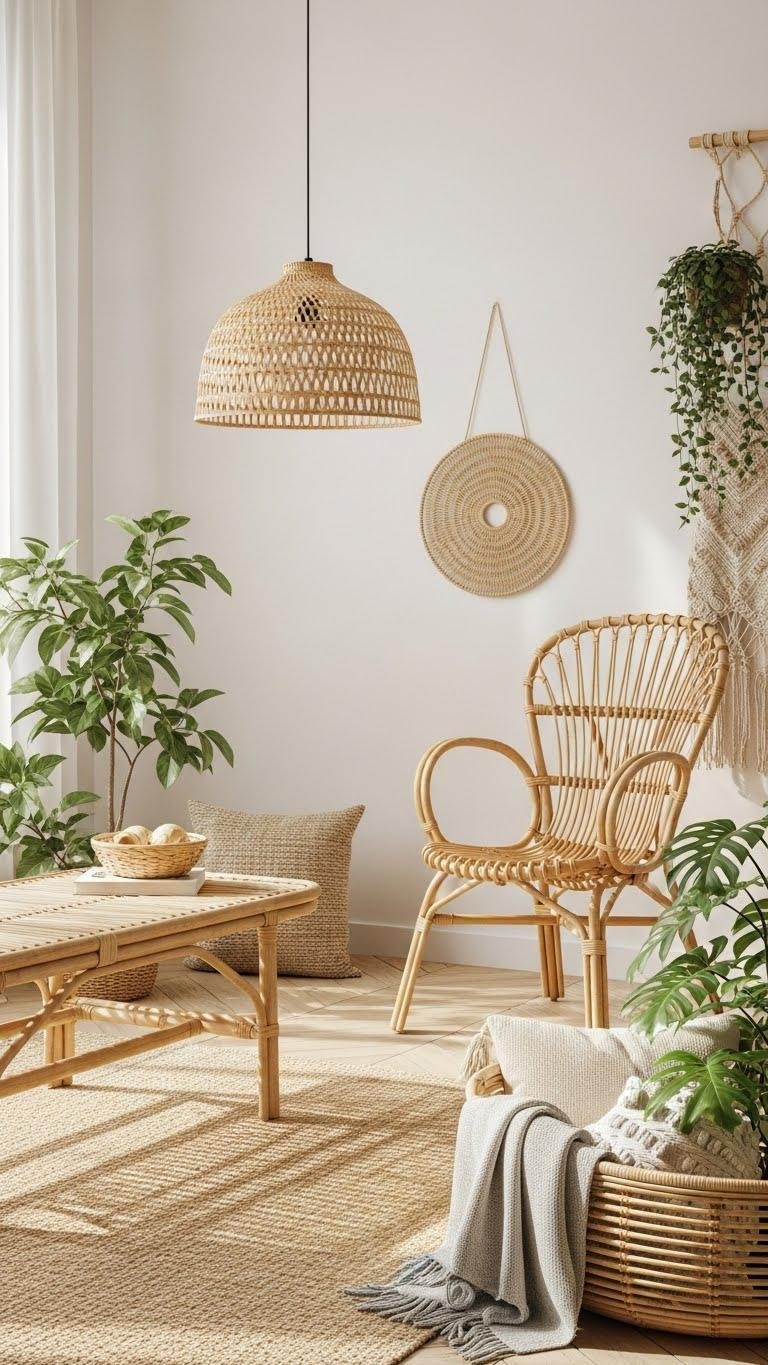
Bring in rattan and wicker to warm Japandi spaces with organic texture and understated craftsmanship. You’ll mix sunlit rattan pieces like a low bench and sculptural chair, add a woven lampshade for soft glow, and place coastal wicker accents to keep things airy.
Let a curved basket corral blankets and plants, creating effortless, free-flowing rooms that feel relaxed and intentional.
Use Stone and Clay for Surface Texture
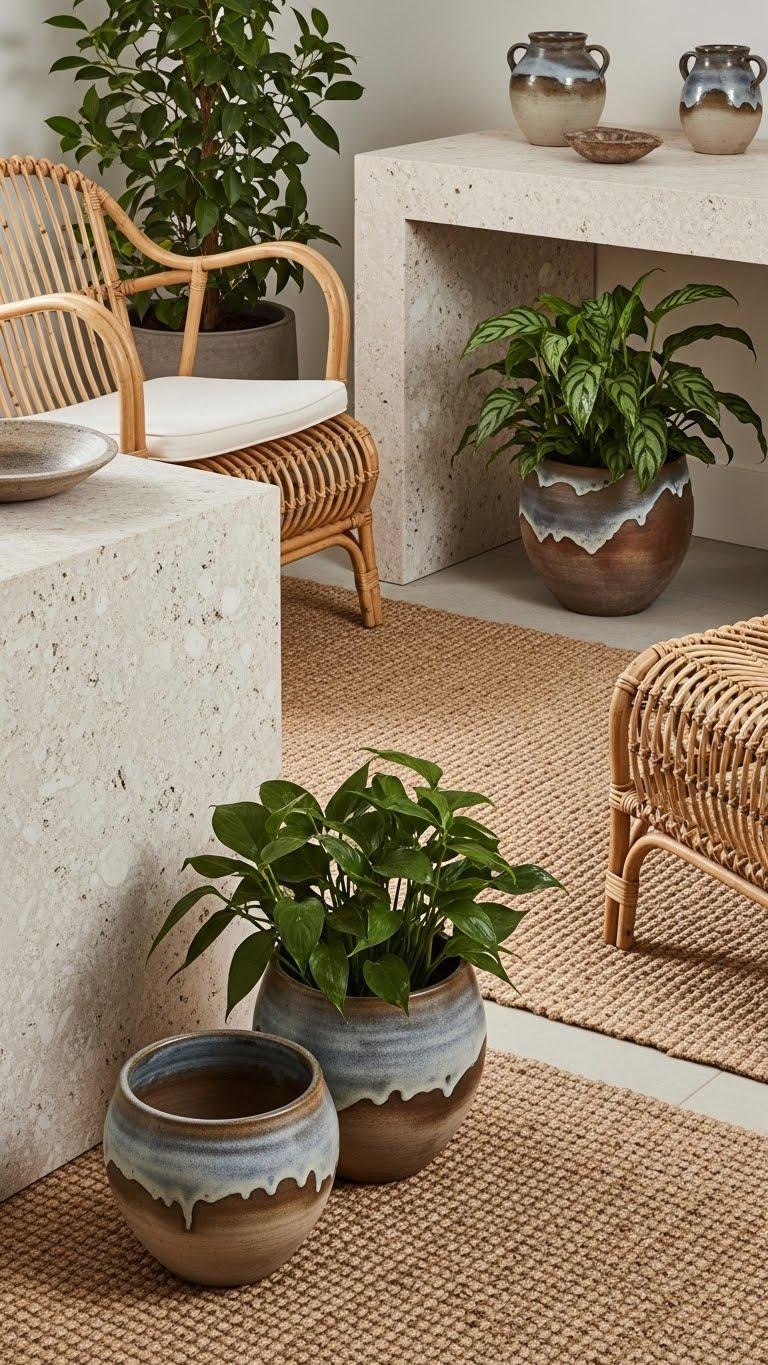
Pair those woven textures with cool, grounded surfaces to keep the room balanced: stone and clay add weight and tactile contrast to rattan’s warmth. You’ll layer stone countertops, clay planters and matte pottery with kiln fired finishes for understated character. Choose irregular edges, muted tones and simple shapes so tactile surfaces feel intentional, calm and free, inviting touch without clutter.
Keep Open Negative Space
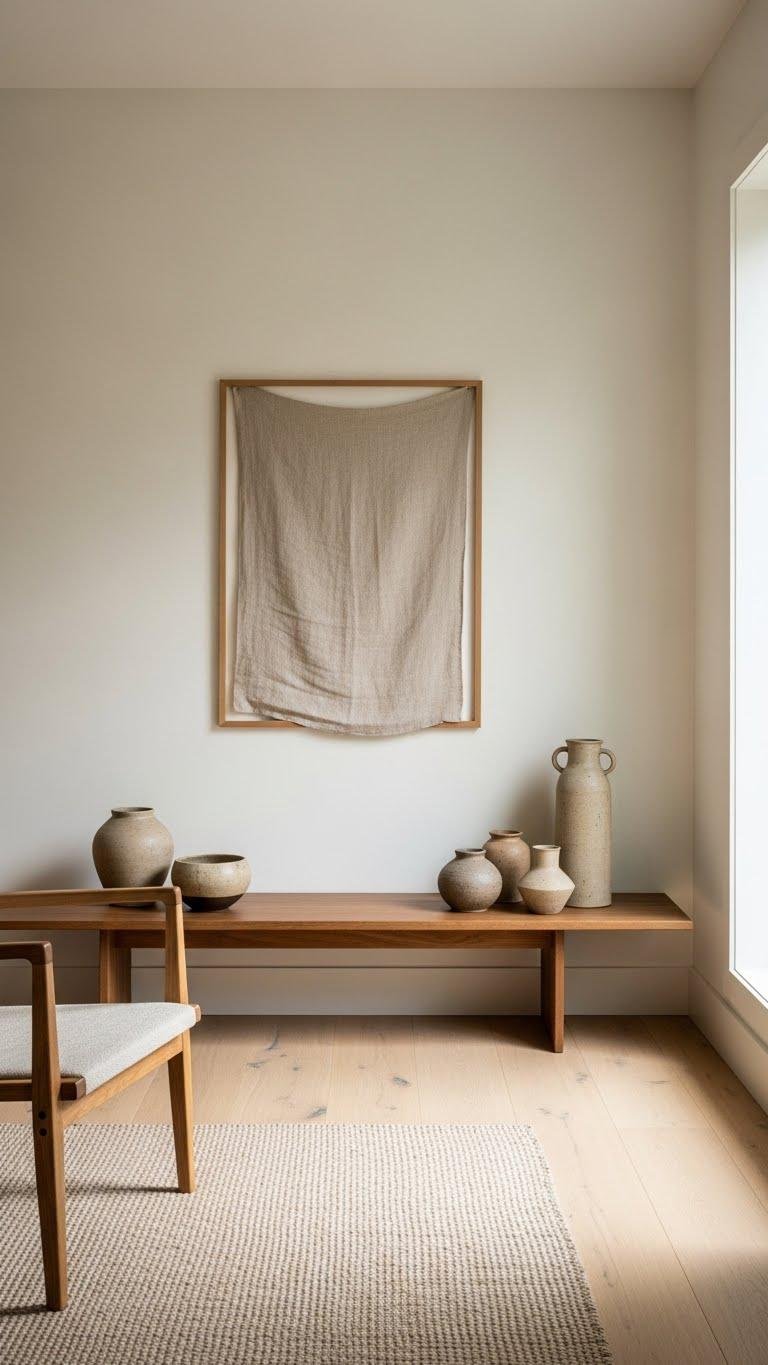
When you leave generous, uncluttered space around key pieces, each object breathes and the room reads calm and intentional. Let negative space guide sightlines, framing ceramics, timber, and textiles so they feel deliberate.
You’ll resist filling every corner; instead prioritize purposeful emptiness for visual breathing. That restraint creates freedom, clarity, and a refined, modern Japandi rhythm that relaxes and centers you.
Create a Calm Entryway Bench
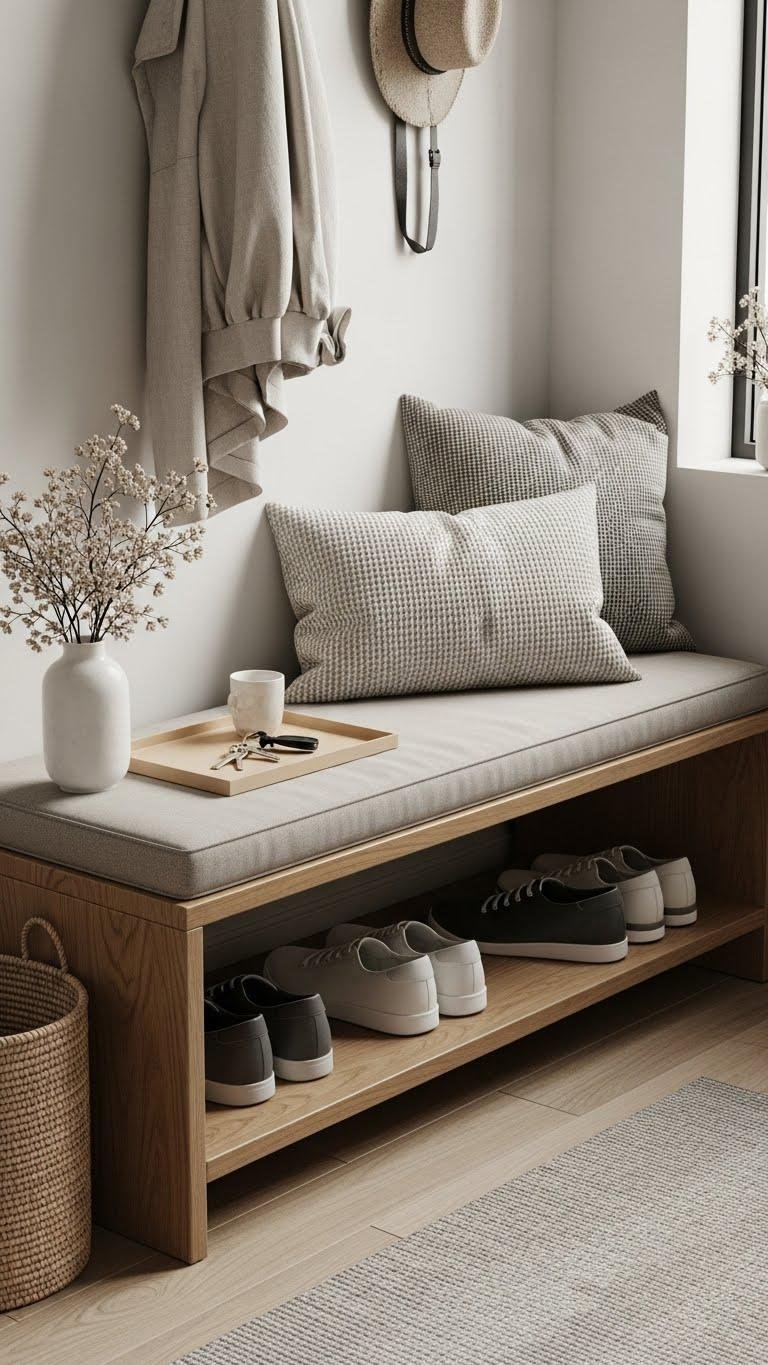
If you want an entryway that calms before you even take off your shoes, choose a low timber bench with clean lines and a soft, neutral cushion that won’t compete with the rest of the room. Add discreet shoe storage beneath, a slim tray for keys, and textured cushions to invite touch. You’ll create a minimalist, functional welcome that feels free and grounded.
Embrace Wabi-Sabi Imperfections
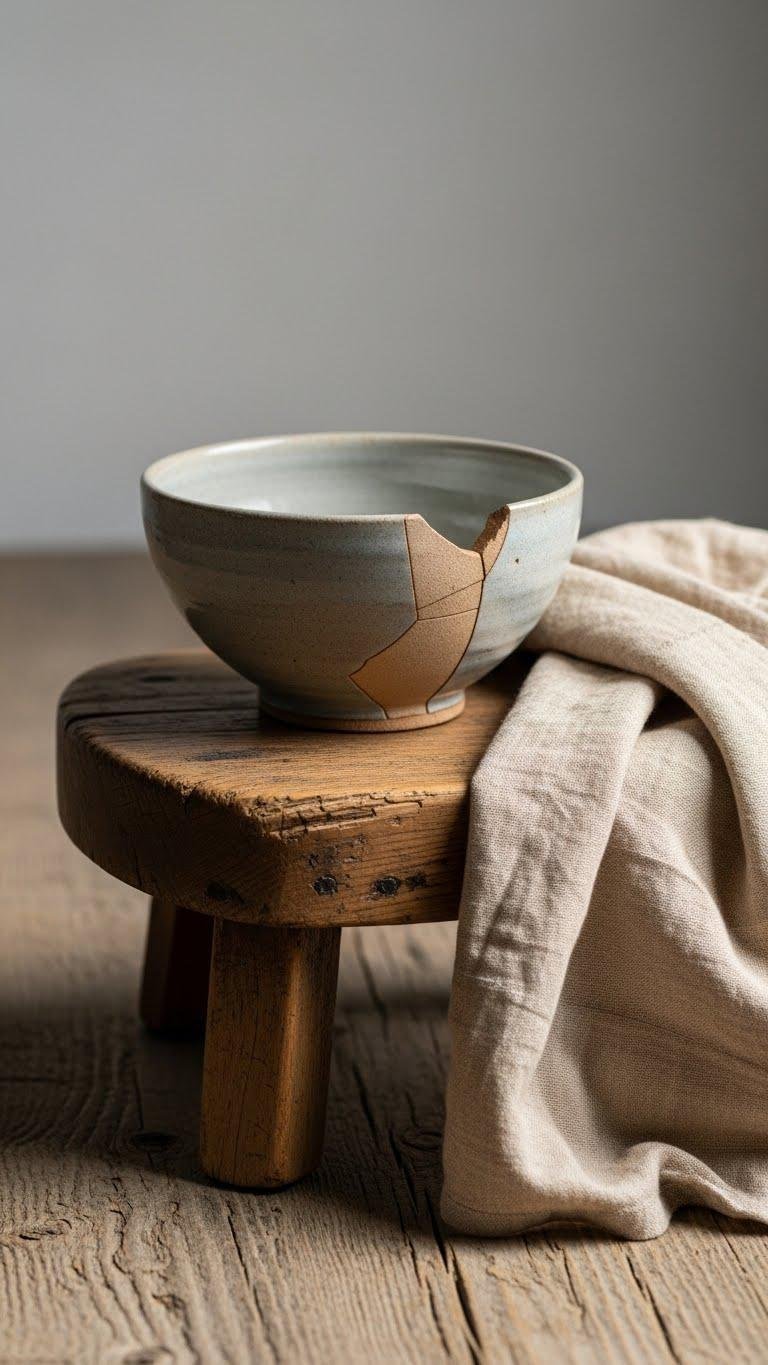
Though perfection feels polished, you’ll make a stronger statement by celebrating wear, irregular glaze, and uneven grain; Wabi-Sabi invites you to let authentic marks — a repaired seam, a sun-faded textile, a chipped ceramic — become focal points that add warmth and history. You’ll practice imperfection celebration, arranging items with asymmetrical balance, favoring honest textures and spare, freeing layouts that breathe.
Add Low Storage Solutions
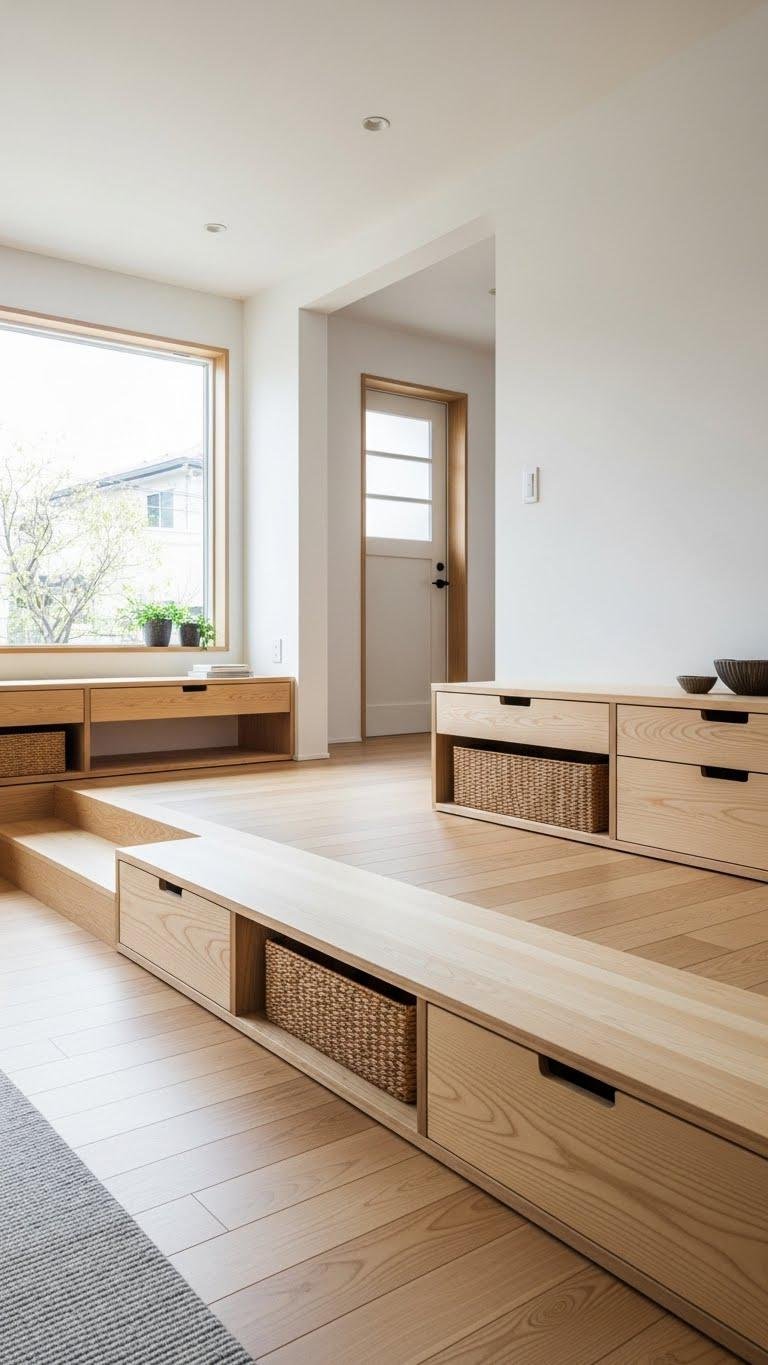
Anchoring your space with low-profile storage keeps sightlines clean and rooms feeling grounded—think shallow credenzas, platform drawers, and tucked baskets that hug the floor. You’ll choose low profile cabinets and streamlined under stair storage to free visual clutter, maintain flow, and create hidden zones for essentials. Minimal handles, natural wood tones, and open negative space let you move and breathe.
Use Warm Accent Metals Sparingly
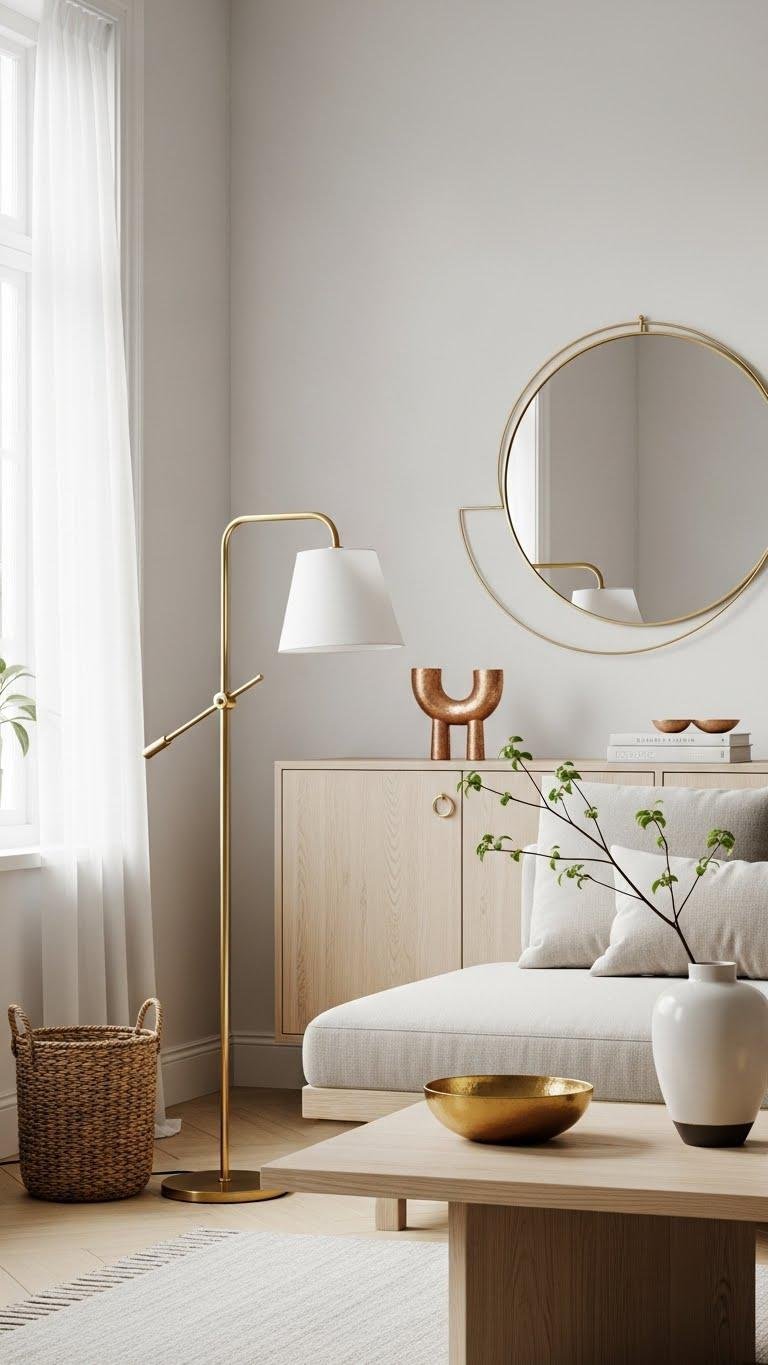
Often, you’ll rely on warm metals like brass or soft gold as punctuation marks rather than statements — a slim lamp base, a single cabinet pull, or a delicate mirror frame adds glow without overpowering Japandi’s calm minimalism.
You’ll practice brass restraint: pick one focal piece, echo with subtle copper highlights in accessories, and keep surfaces uncluttered to maintain openness and serene balance.
Layer Lighting for Cozy Evenings
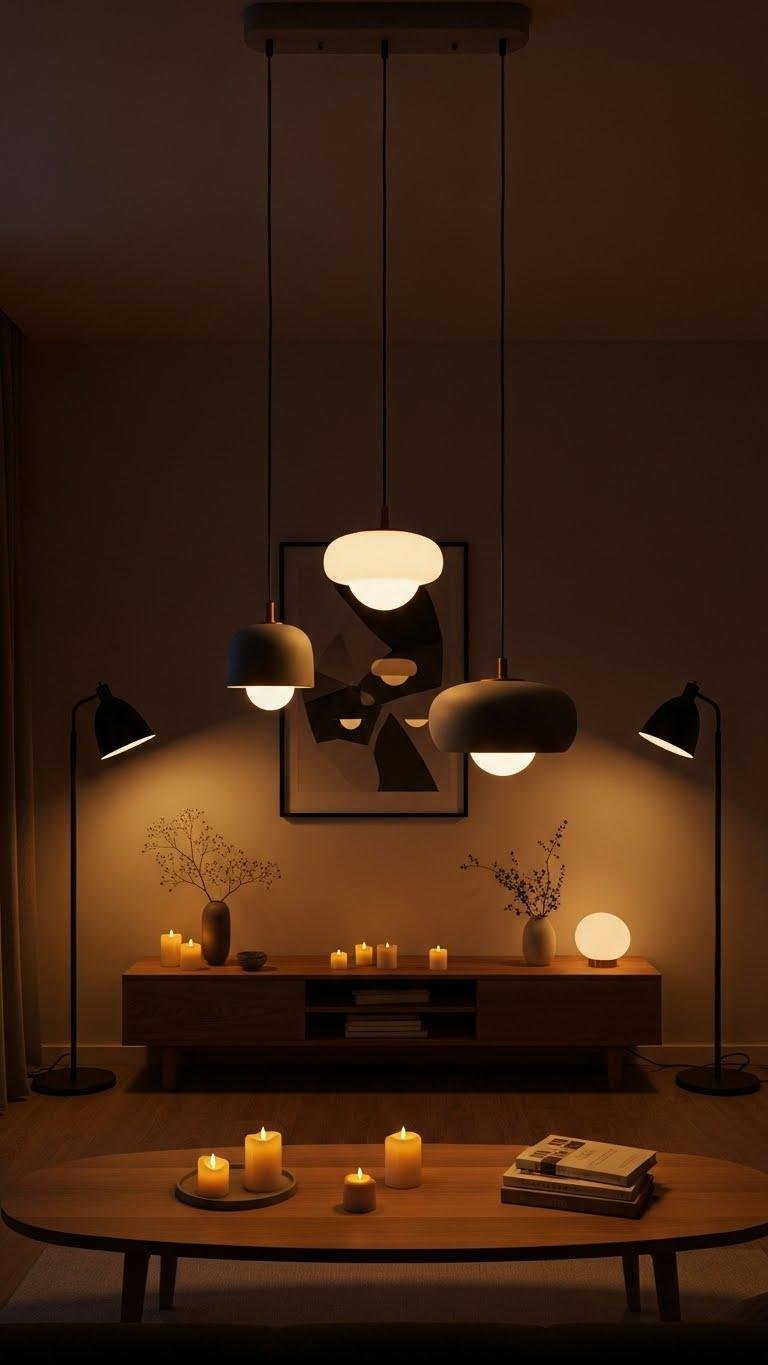
Usually, you’ll layer three light sources—ambient, task, and accent—to create the warm, enveloping glow that defines cozy Japandi evenings.
You’ll mix dimmable overheads with pendant task lights for reading, scatter soft candlelight for hush, and place accent floor lamps to sculpt corners.
Keep fixtures minimal, finishes muted, and controls simple so light feels intentional and liberating.
Connect Indoor Spaces With Outdoor Views
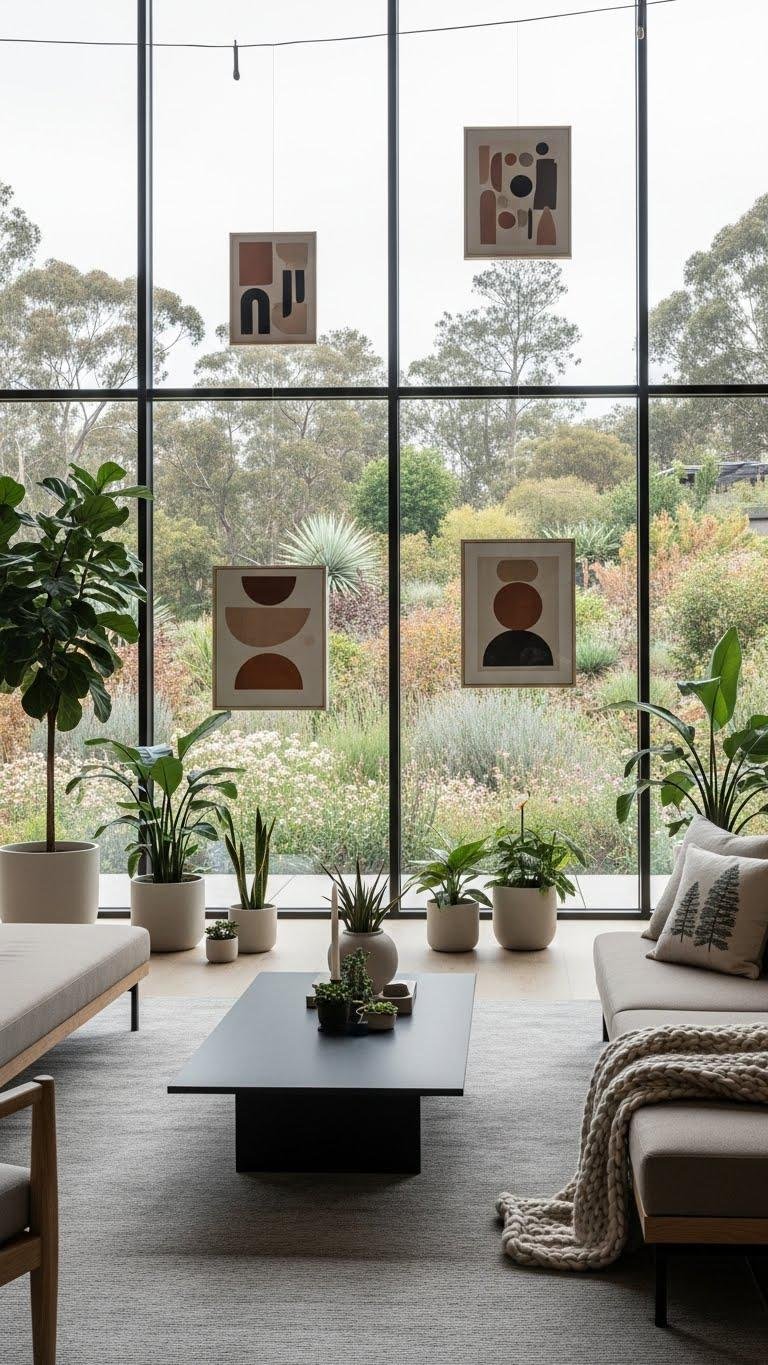
After you’ve layered light to shape evenings, open sightlines to the outside so the room breathes into the landscape. You’ll frame views with low furniture, slim frames and muted palettes, encouraging biophilic sightlines that calm and expand.
Rotate plants, textiles and art for seasonal window displays. Keep paths clear, glass clean and choices minimal so your space feels free, grounded and uncluttered.
Prioritize Craftsmanship and Sustainable Materials
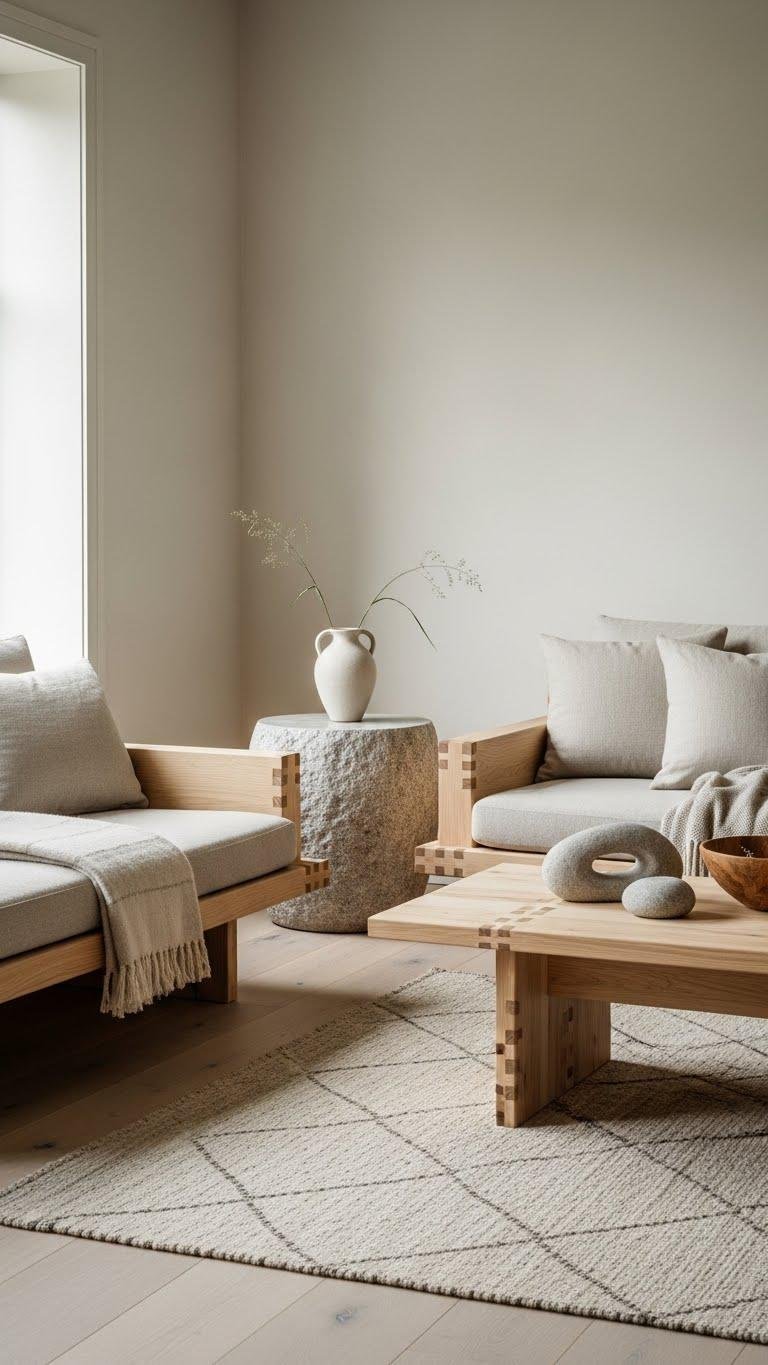
When you choose pieces made by skilled hands and honest materials, your Japandi room gains a quiet integrity that lasts—think hand-joined wood, linen, stone and low-VOC finishes that age gracefully.
You’ll favor artisan sourcing, reclaimed textiles and minimal silhouettes that breathe. Opt for tactile surfaces, muted palettes and pieces that wear in, not out, so your space feels liberated, refined and enduring.