
You can make your home feel calmer and more open with small, intentional changes that actually stick. Start by clearing key surfaces, carving out a single drop zone, and using quick daily habits that prevent stuff from piling up. Practical edits—like the Four Box Method, seasonal rotations, and curated displays—trim visual noise and create breathing room. Keep going and you’ll see how a few disciplined choices reshape every room.
Start With a Clear Surface: Counters and Tables
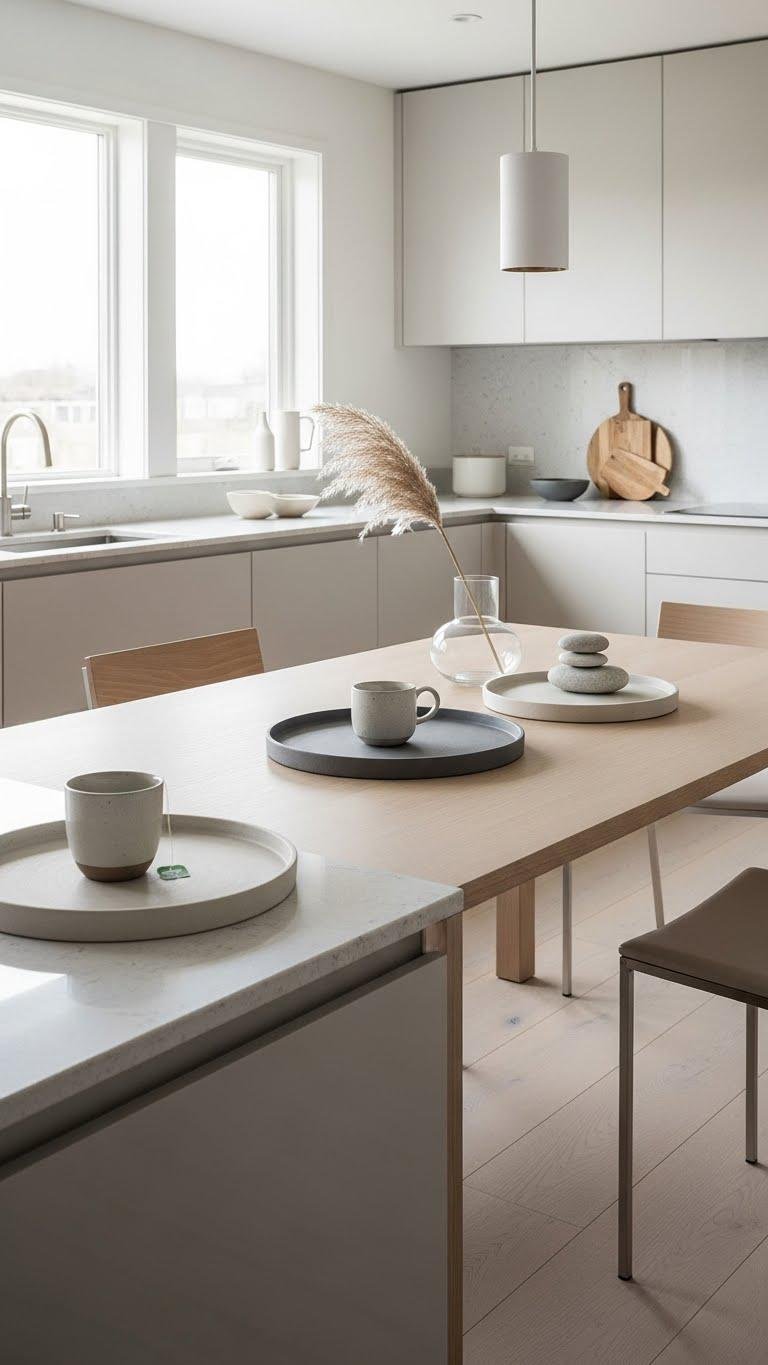
Start by clearing off counters and tables so the room instantly feels calmer and more spacious. You’ll keep clear backdrops to let light and air dominate. Decide what truly belongs on surfaces, tuck essentials into tactile trays, and let few objects breathe. This discipline frees movement and choice, making daily routines smoother and the home feel open, intentional, and easy to live in.
Adopt the Four Box Method Room by Room
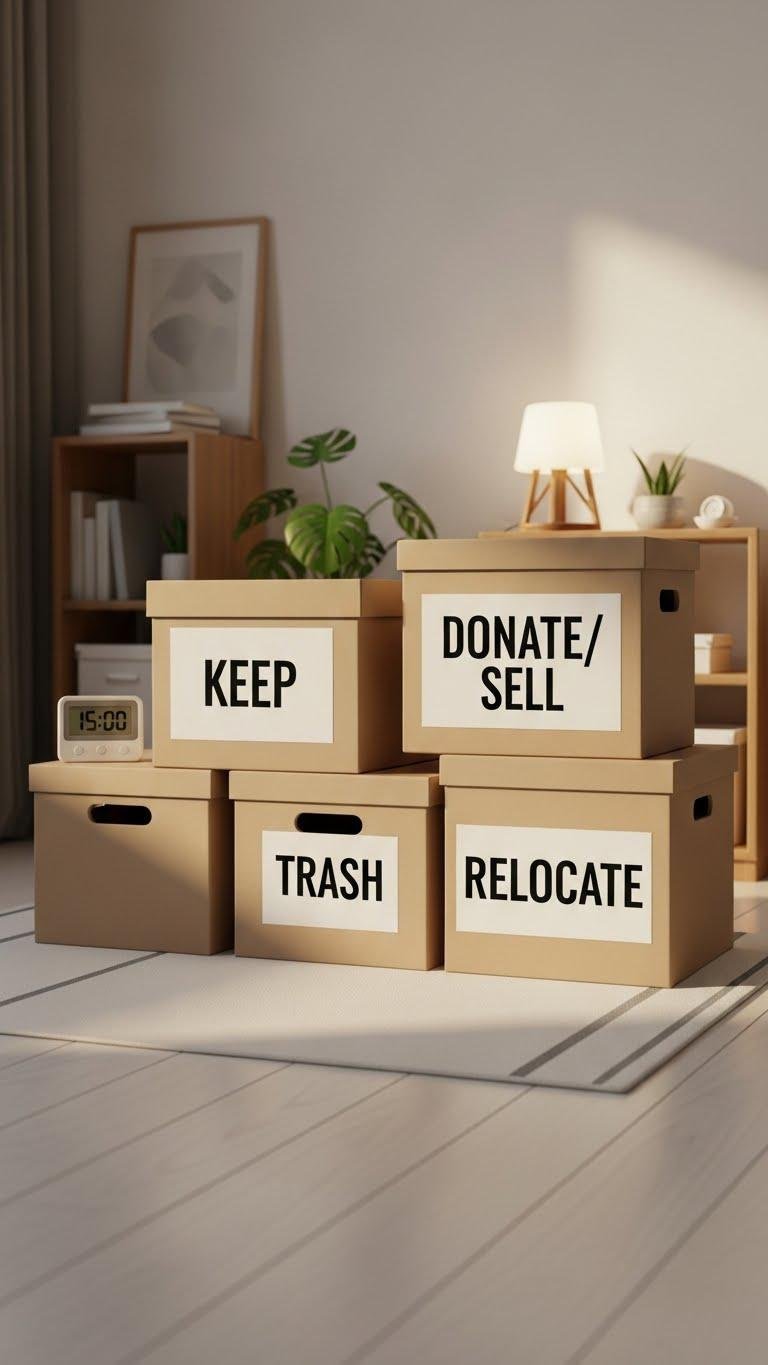
Clearing surfaces primes you to work room by room with a simple system: grab four boxes labeled Keep, Donate/Sell, Trash, and Relocate.
Use clear box labeling so decisions feel effortless. Set short timeboxing sessions per area, trust your instincts, and move items decisively.
You’ll free space, reduce visual noise, and create calm that supports daily freedom and focused living.
Create a Daily 10-Minute Declutter Routine
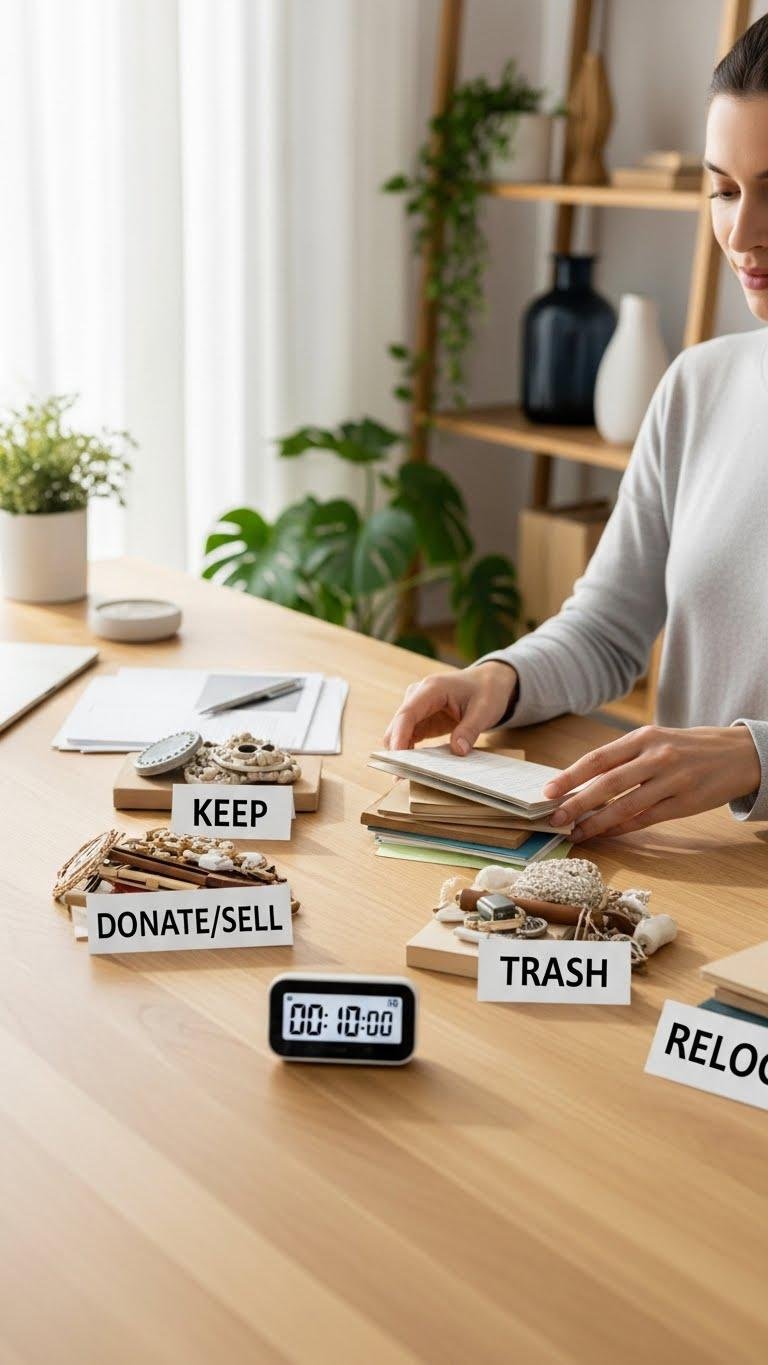
Set a timer for 10 minutes and tackle one visible surface or small zone, using quick decisions to keep, donate/sell, trash, or relocate; these focused bursts maintain order without overwhelming your day, build momentum, and make clutter management a simple, sustainable habit.
Treat them as micro breaks or timer games: you’ll feel lighter, gain daily progress, and protect your space without sacrificing freedom.
Pare Down Wardrobes With the 90/90 Rule

Try the 90/90 Rule: wear each item at least 90 times within 90 days, and if it doesn’t make the cut, it’s not pulling its weight. You’ll clear space by testing everyday use, separating seasonal wardrobe pieces and honest favourites. Let go of sentimental items that don’t serve you, donate or store rarely used pieces, and keep only what brings ease, style, and freedom.
Designate a Single Drop Zone for Daily Items
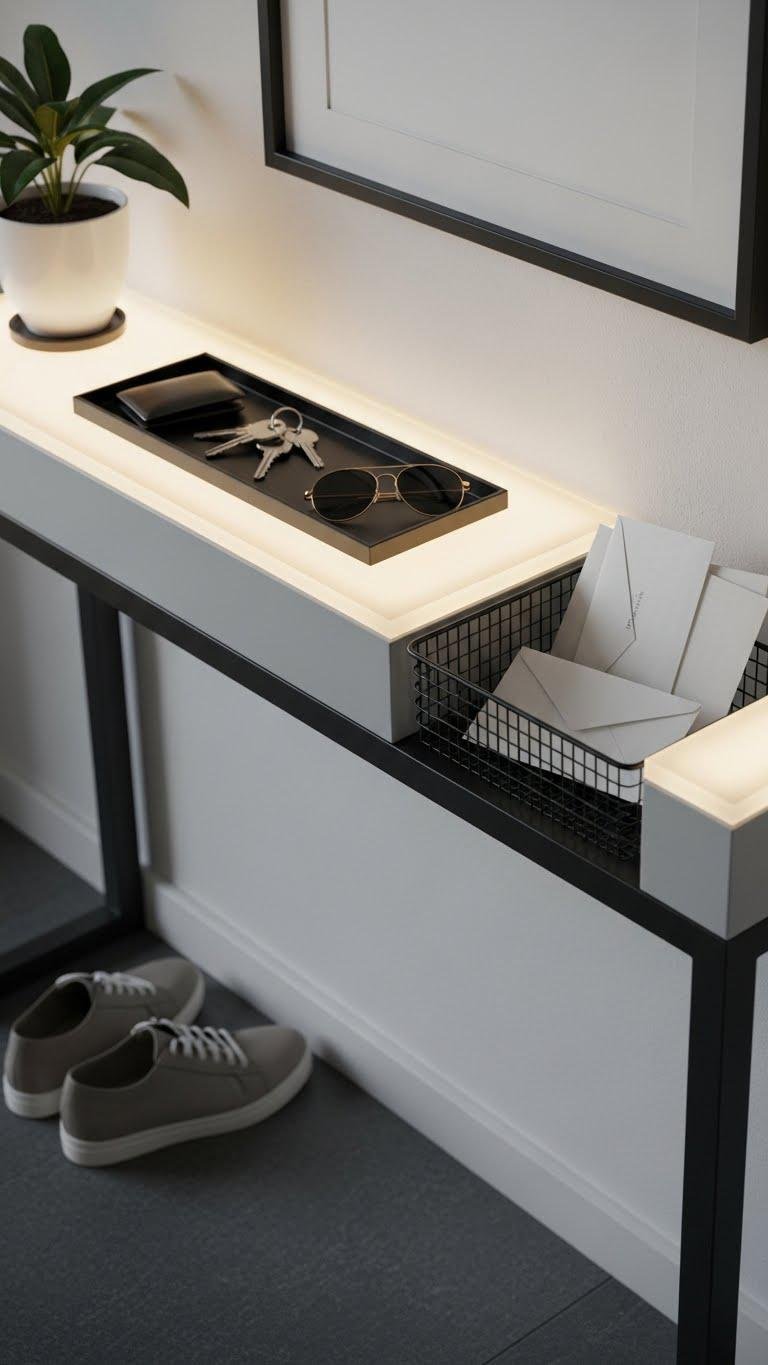
Once you’ve pared your closet with the 90/90 rule, pick one visible spot for everything you drop at the end of the day—keys, bag, wallet, sunglasses, mail.
Create a calm entry console with a slim tray and a key basket for loose items. Train yourself to always return objects there; the ritual keeps surfaces clear, choices minimal, and your mornings freer.
Use Clear Containers for Visible, Easy Access
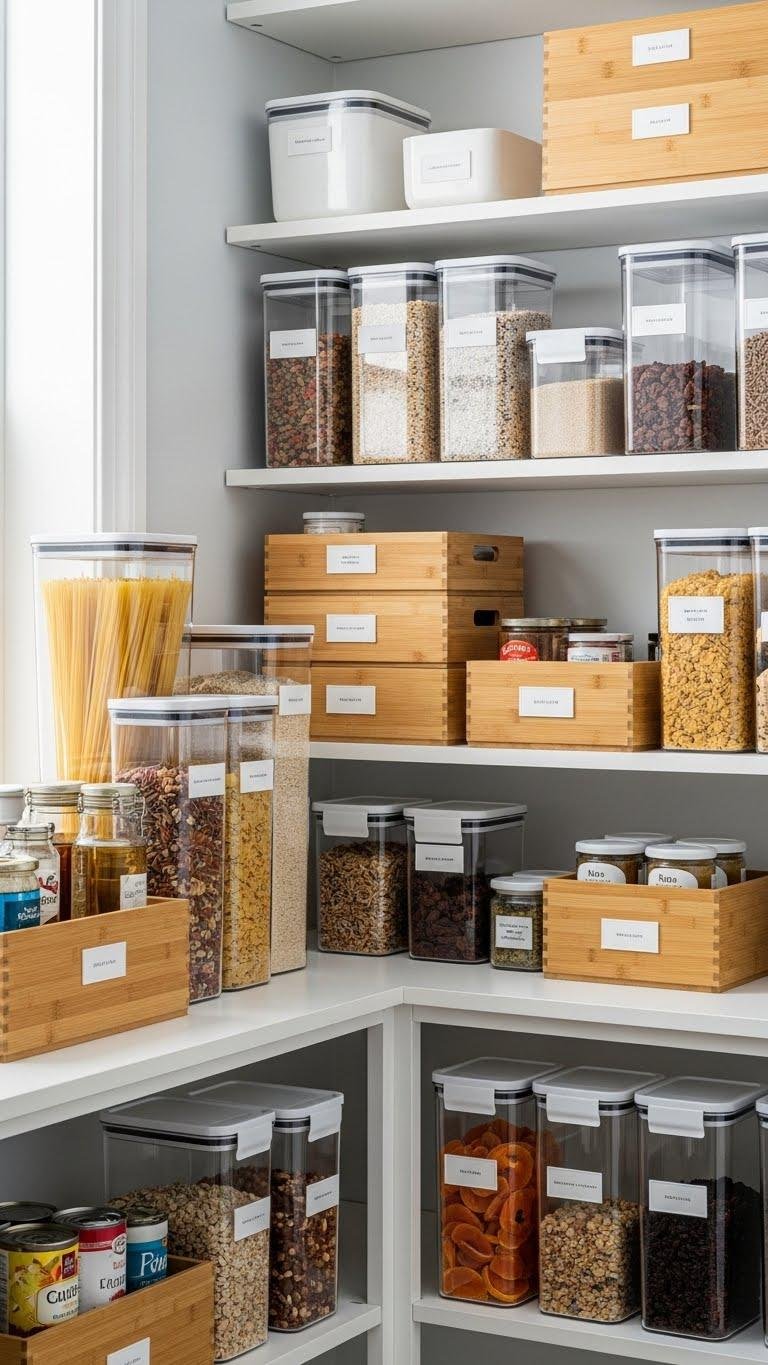
Clear containers let you see everything at a glance, cutting decision time and keeping shelves visually light. You’ll gain clear visibility of essentials, so you grab what you need and move on.
Choose stackable trays and uniform boxes to maximize vertical space, simplify sorting, and keep items accessible. Label subtly, maintain rhythms of editing, and enjoy the effortless freedom of an uncluttered routine.
Limit Decorative Items to a Curated Few
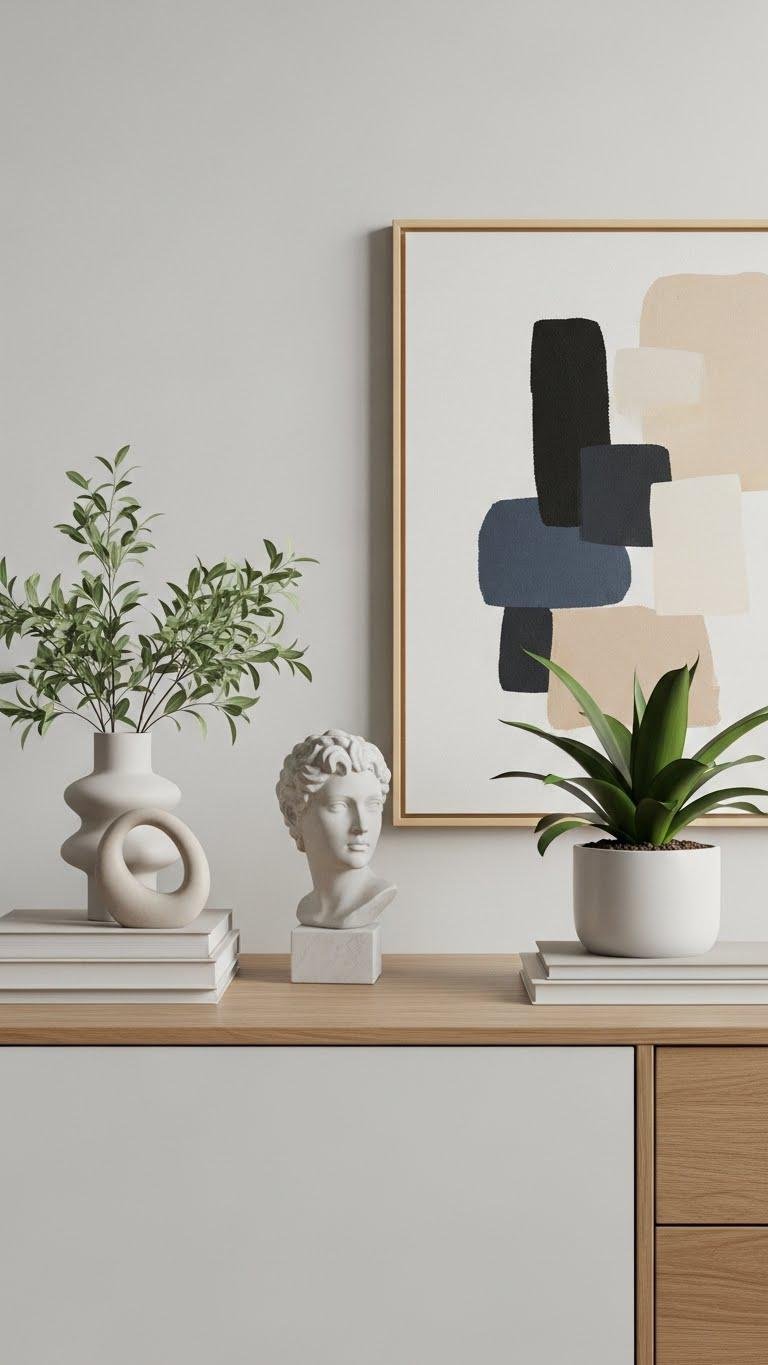
Pare down decorative pieces so each one earns its place and gives the room a clear focal point. You choose a few meaningful objects, practice artwork restraint, and avoid visual clutter.
Keep surfaces sparse, swap items via seasonal rotation, and let negative space breathe. This curated approach frees you to enjoy calm aesthetics and flexible living without sacrificing personality or intention.
Optimize Closet Space for Functionality
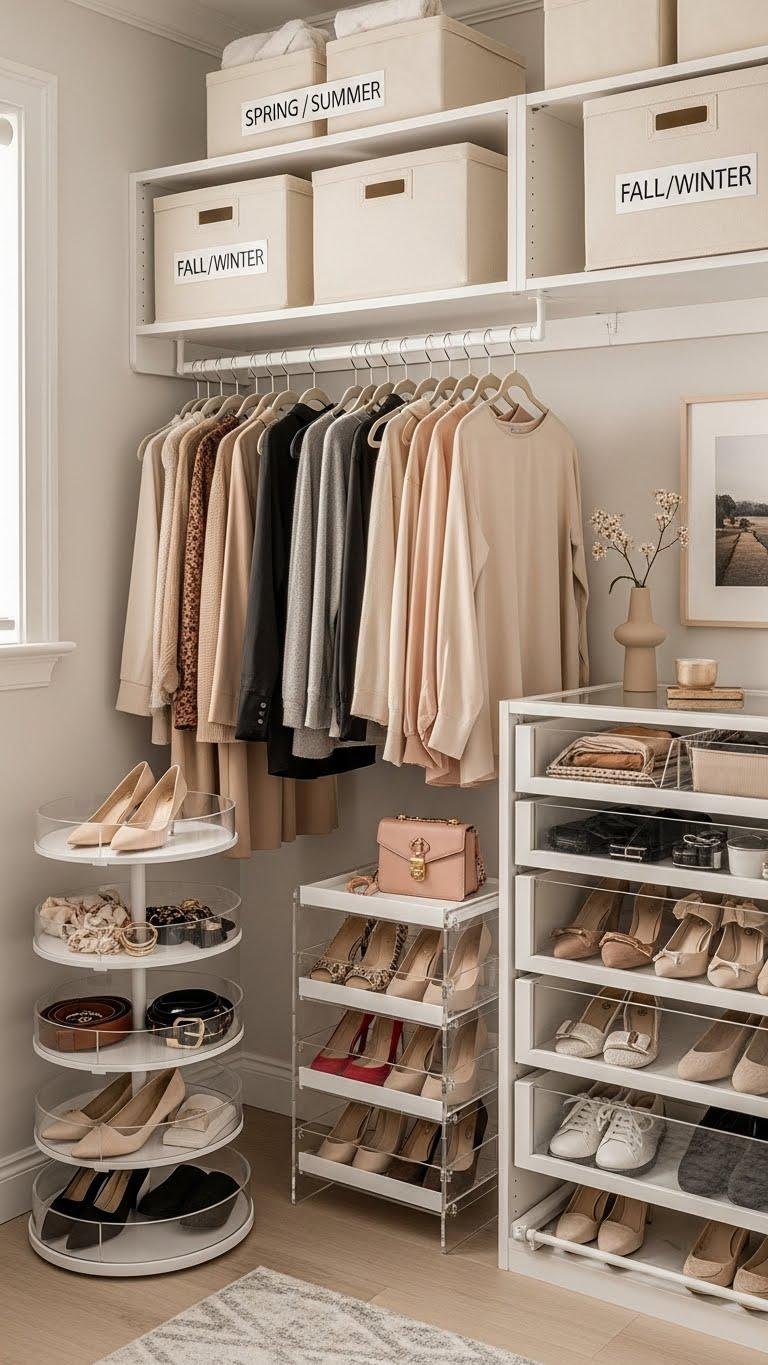
If you’ve pared down décor to a few meaningful pieces, bring that same restraint to your closet so every item earns space and purpose. Edit by function, keep neutrals visible, and store extras for seasonal rotation in labeled bins. Use slim hangers, a shoe carousel for compact display, and clear baskets so you can choose freely, quickly, and with calm intention.
Convert Vertical Space Into Organized Storage
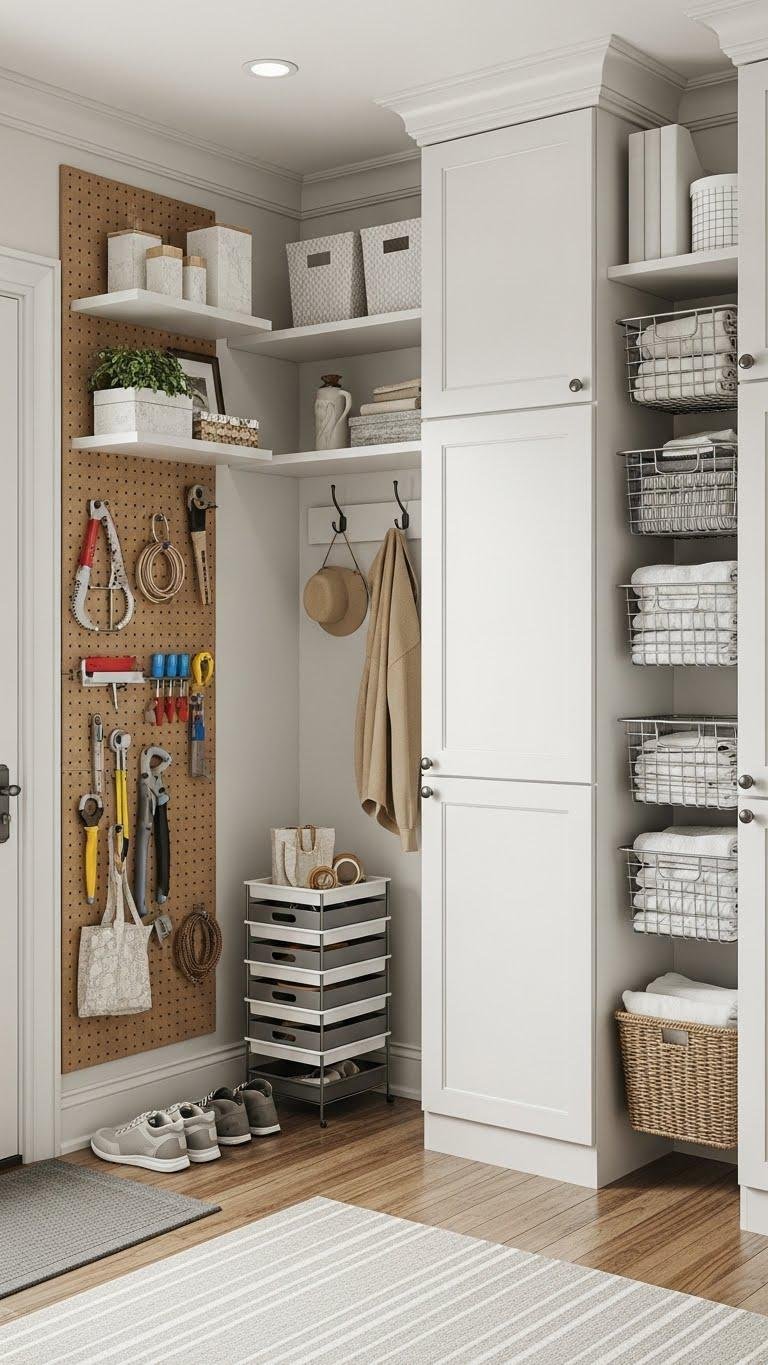
By thinking upward, you can reclaim wasted wall and ceiling space to store, display, and simplify—install floating shelves, tall cabinets, and pegboards that keep everyday items within sight and seasonal pieces tucked high and neat.
You’ll add a vertical shoe rack by the entry, a stackable tray system for accessories, and hanging baskets for linens, creating airy, efficient storage that frees your space and mind.
Create a Paper Processing Station
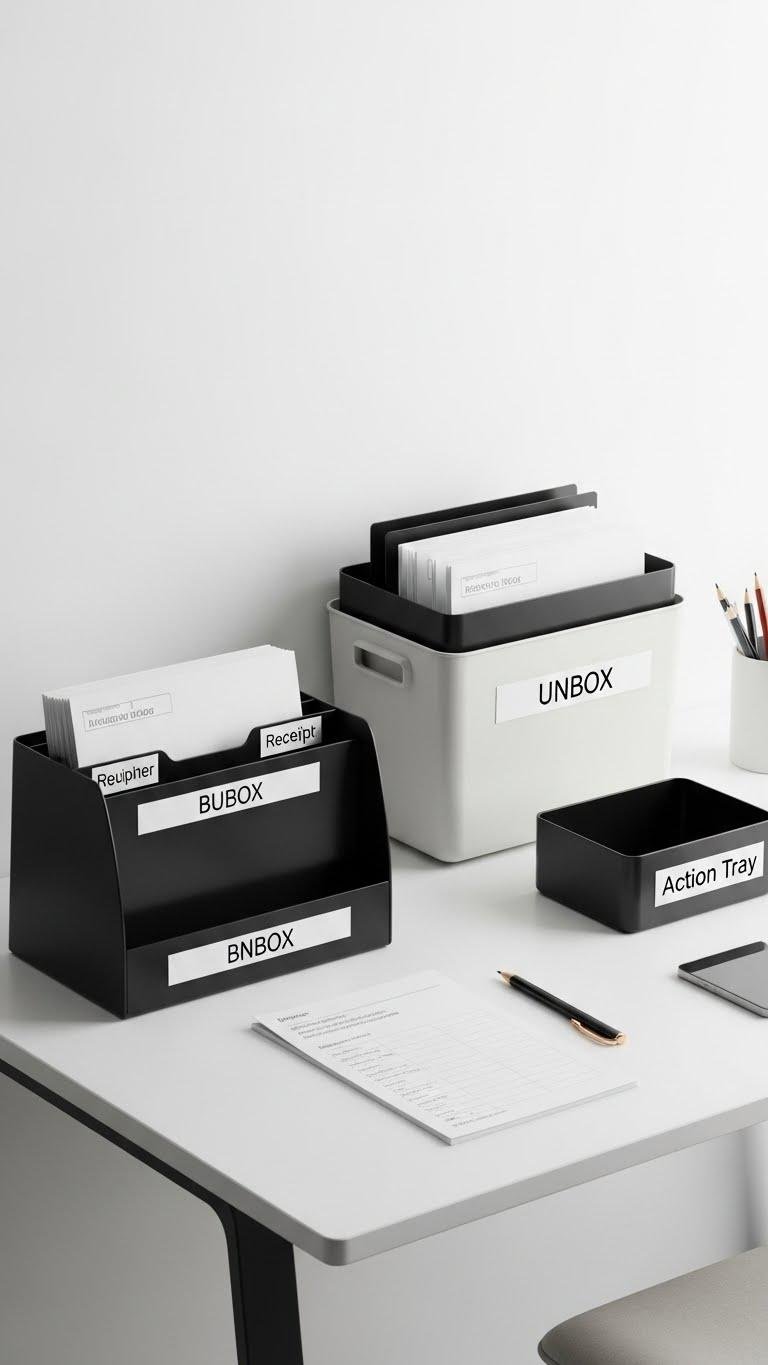
Clear a small, dedicated surface where you can sort incoming paper fast and keep it from overflowing. Set a portable inbox, a slim receipt sorter, and one action tray. Process mail daily: file, shred, or schedule. Label minimal categories for quick decisions.
This compact station reduces mental clutter, supports freedom of movement, and keeps paperwork controlled without dominating your space.
Store Like With Like in Labeled Bins
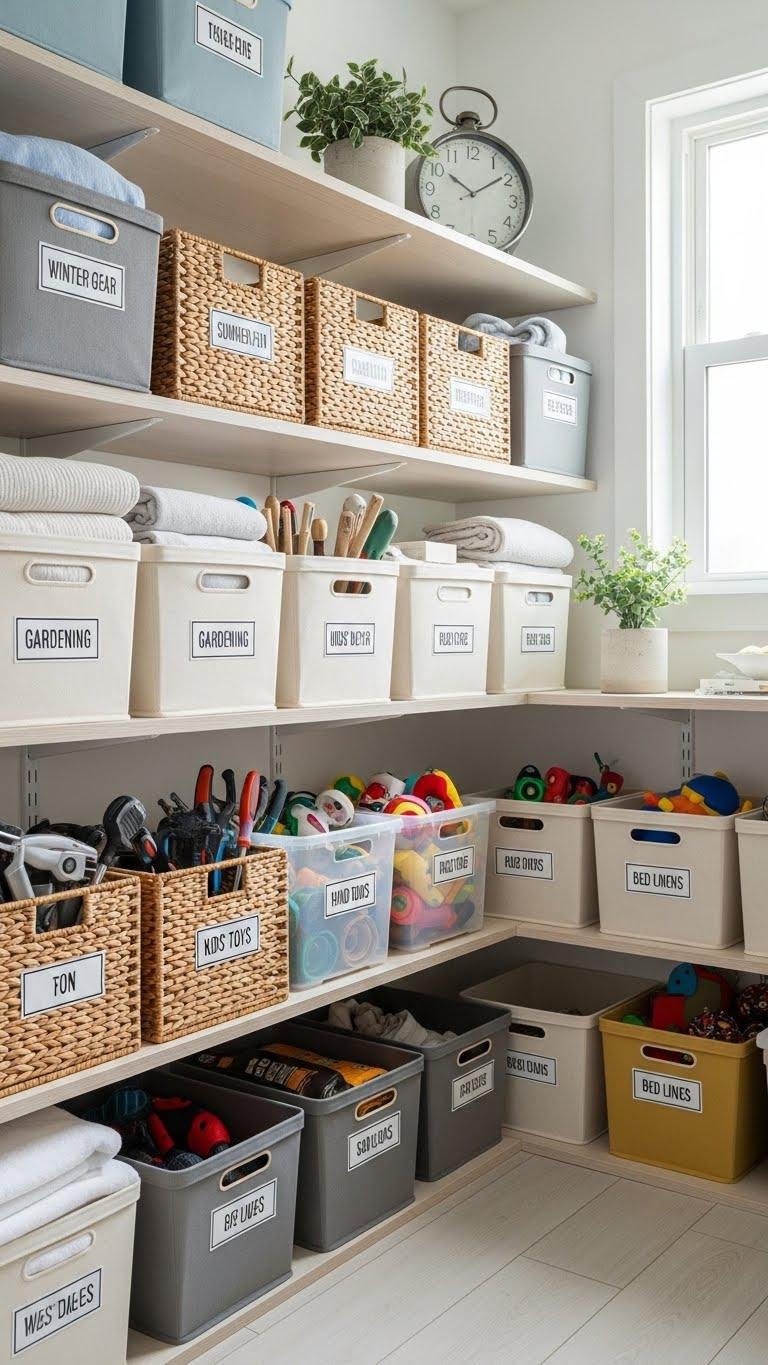
Group like items together in labeled bins so you can grab what you need without hunting.
Use color coded bins to create calm visual order and assign seasonal labels for easy rotation.
You’ll feel freer when zones stay intentional: toys, tools, and linens each have a home.
Choose neutral containers, clear labels, and a simple shelf layout to keep movement effortless and spaces airy.
Embrace Minimalist Kitchen Essentials
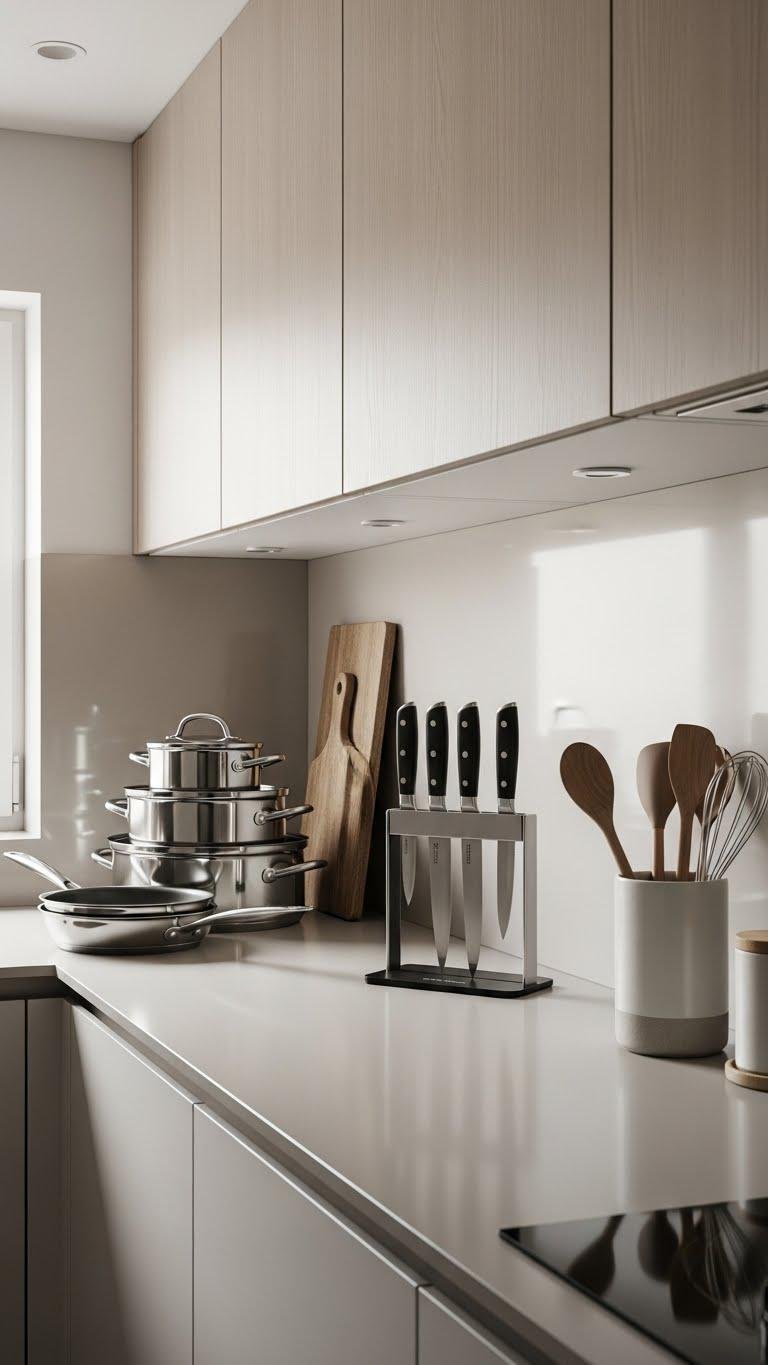
Start with what you actually use: pare your cookware and gadgets down to versatile pieces that handle multiple tasks, and store them where you reach for them most.
Choose streamlined cookware and essential utensils that simplify cooking, reduce decision fatigue, and free space.
Keep finishes neutral, layouts logical, and only keep items that serve you — practicality and calm over excess.
Keep Countertops Clear With Hidden Storage
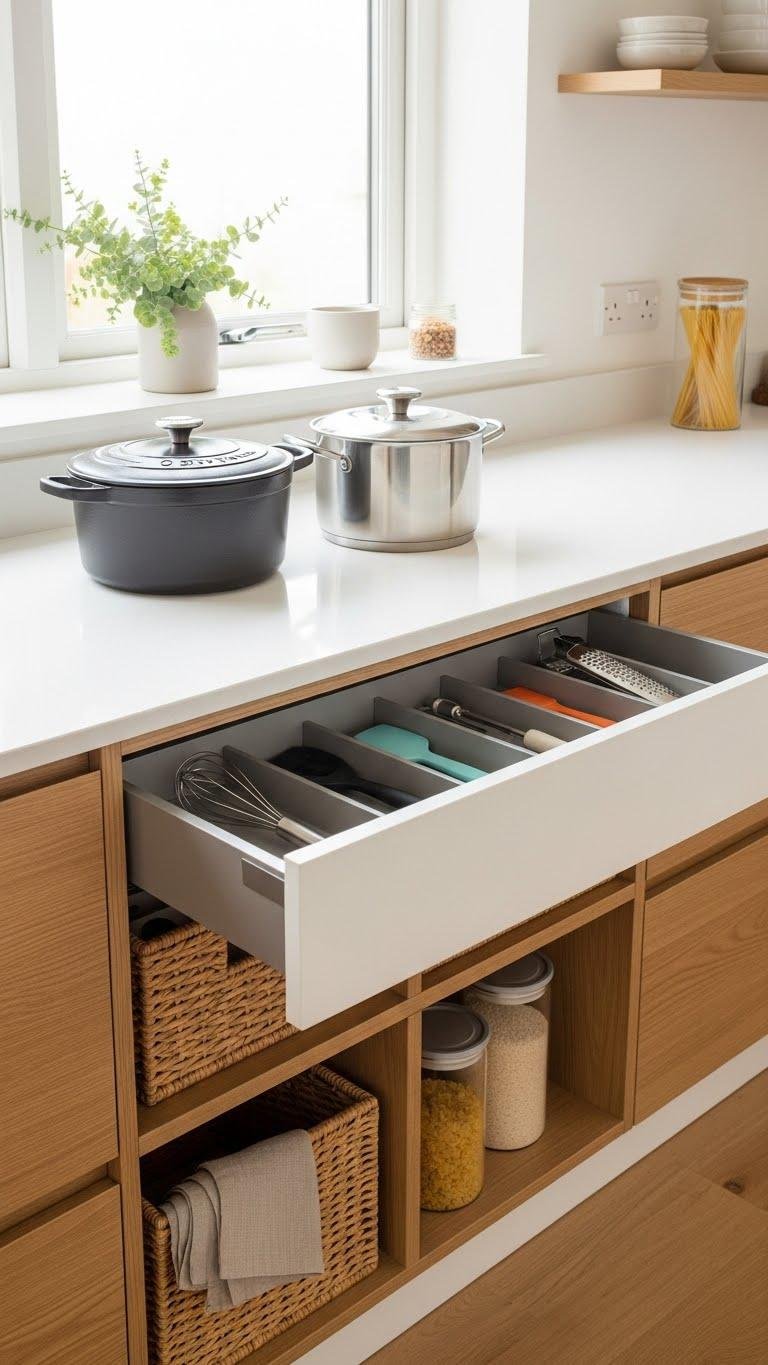
Having pared down to multifunctional cookware, make your countertops feel as calm as your cabinets by tucking the rest away.
Install hidden drawers for gadgets and small tools, and slide in undercounter baskets for linens or bulk items. You’ll free visual space, simplify cleaning, and keep essentials accessible without clutter.
Choose materials and finishes that match your aesthetic to maintain a serene, open kitchen.
Tame the Entryway With Hooks and Cubbies
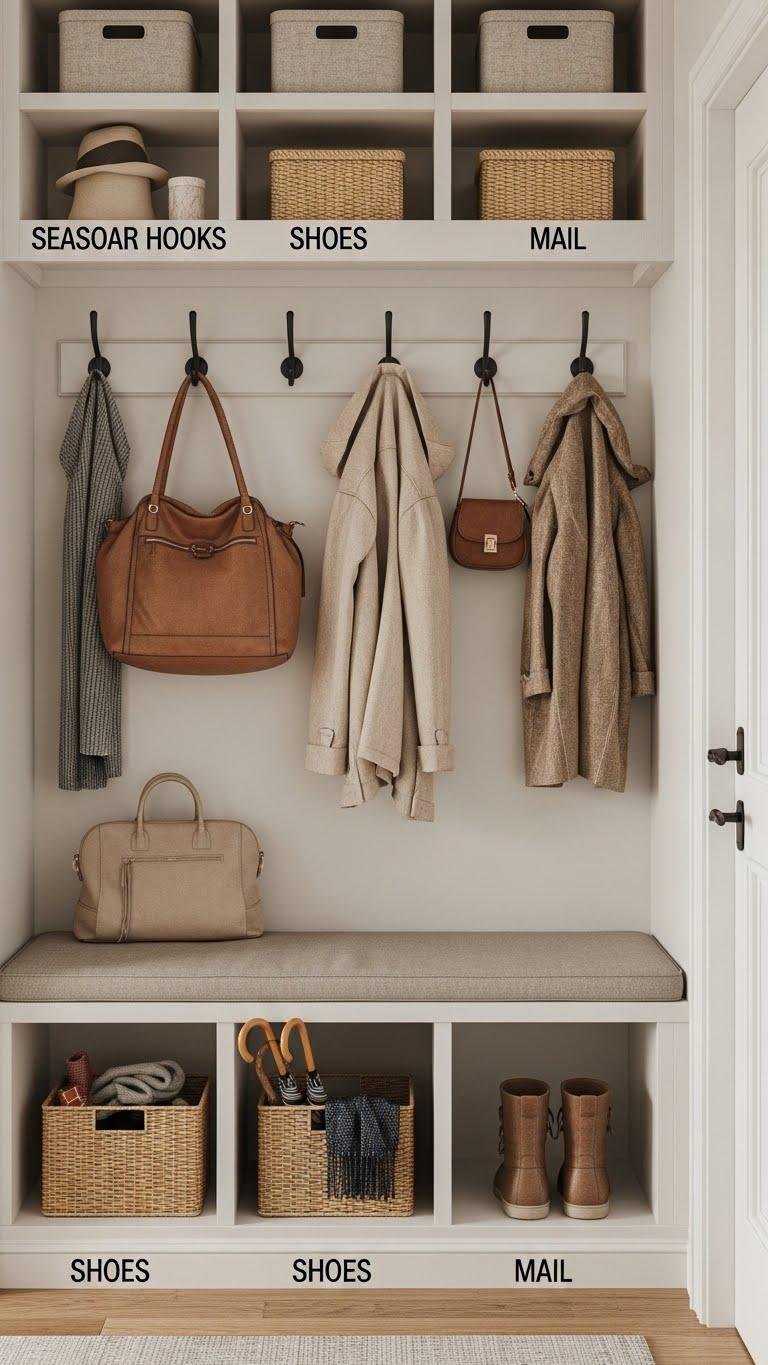
Tame the entryway by giving every item a purposeful place: hang a row of mixed-height hooks for coats and bags, add shallow cubbies for shoes and mail, and keep a bench with a basket underneath for scarves and umbrellas. You’ll choose seasonal hooks for rotating outerwear, tidy shoe storage in labeled cubbies, and a minimalist surface so you can leave and return freely, uncluttered and calm.
Make the Bed Immediately Every Morning
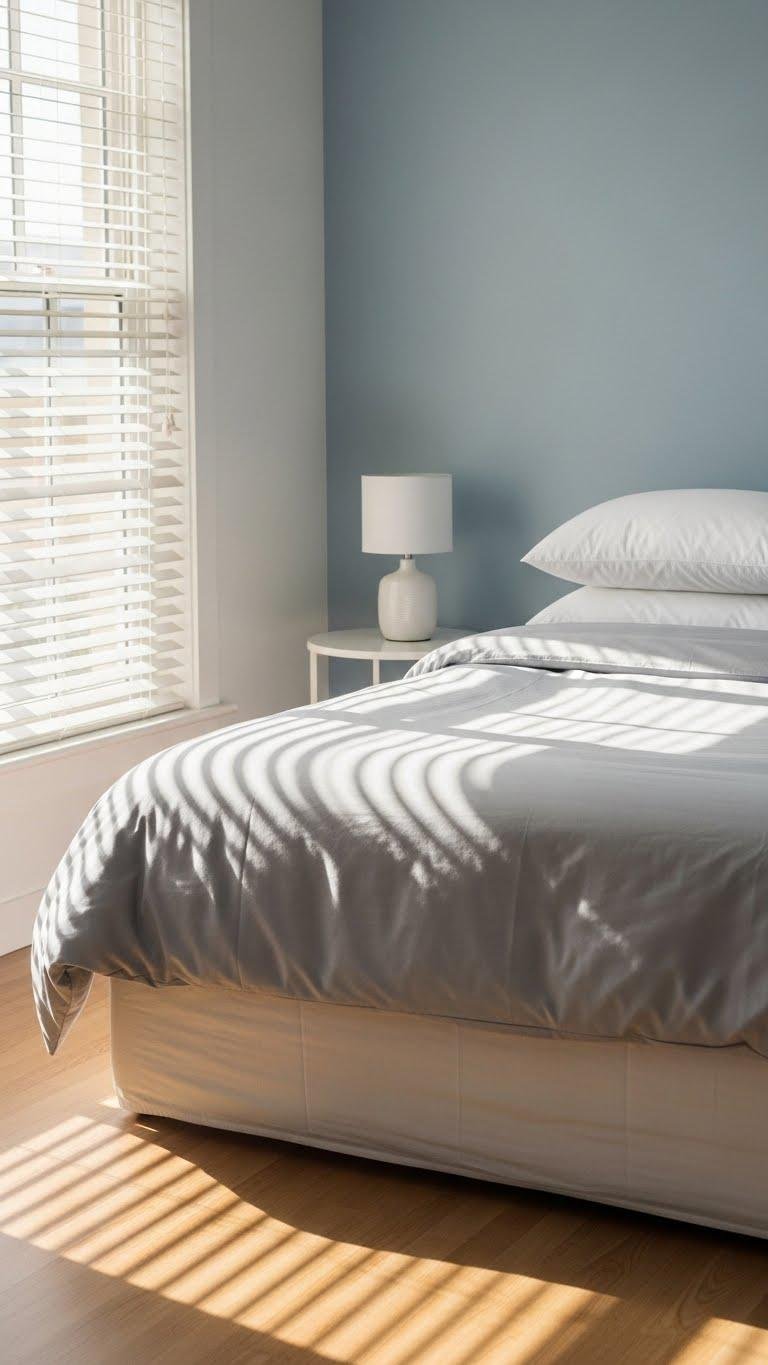
Almost every morning, you’ll set the tone for the day by making your bed—smooth the sheets, straighten the duvet, and arrange a pillow or two so the room looks intentional and calm.
Treat this morning ritual as five minutes of order: tidy linens, tuck corners, add one neat cushion. The simple act upgrades bed aesthetics and gives you a small, peaceful victory to carry forward.
Rotate Seasonal Items and Store Off-Season
Making your bed each morning creates a calm base you can build on—now apply that same five-minute clarity to your seasonal items.
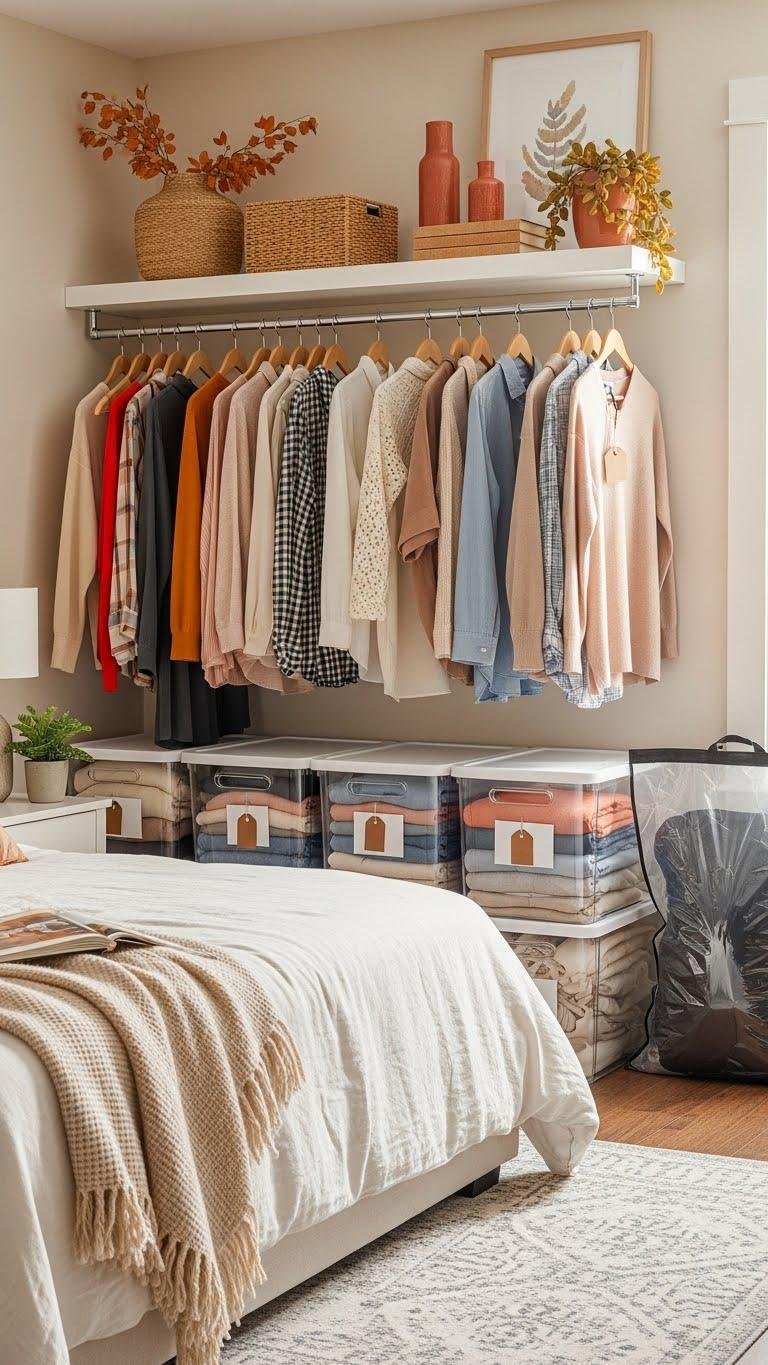
Rotate seasonal rotation into a simple routine: swap wardrobes, swap décor, purge what you don’t love.
Use clear bins, vacuum bags, and smart storage solutions to free floor space and mindspace. Label everything so you reclaim freedom each season.
Simplify the Bathroom to Daily Necessities
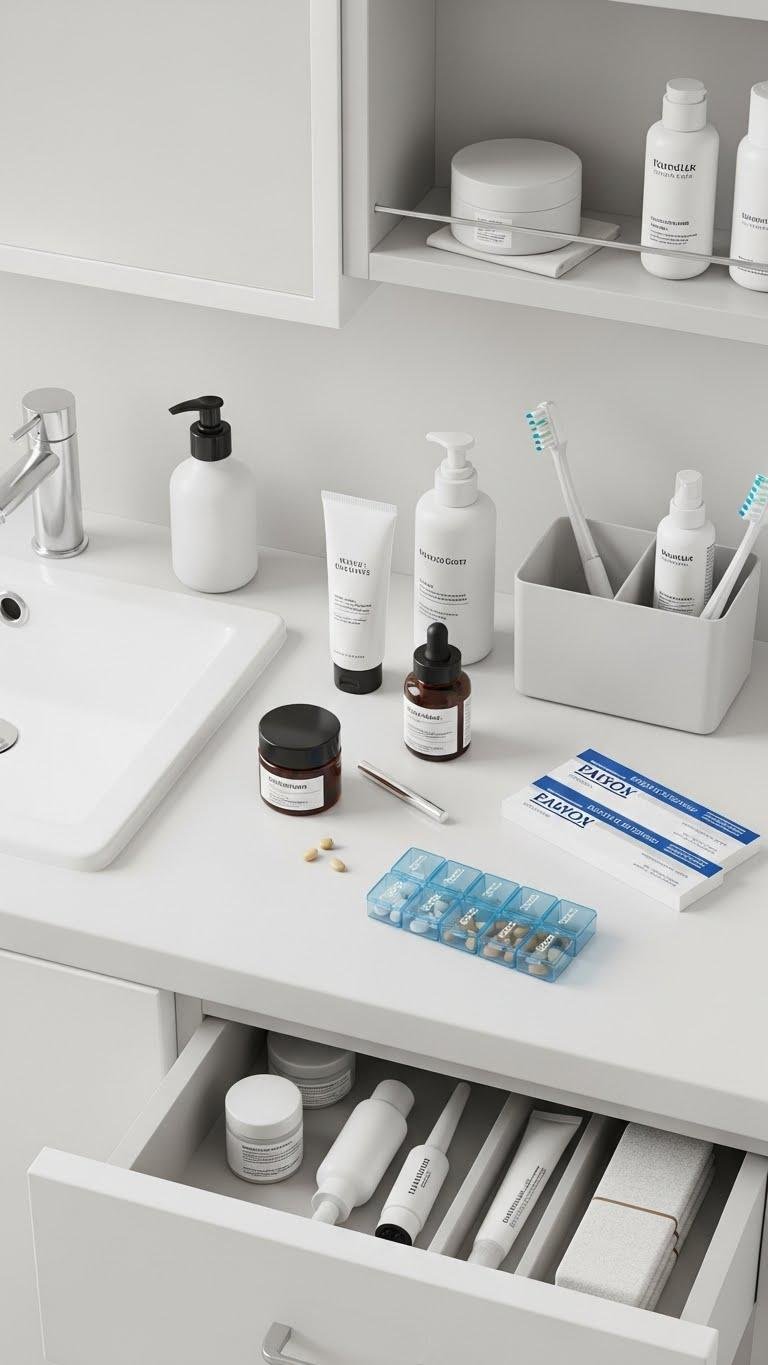
Clear out the clutter and keep only what you use every day: a few trusted toiletries, your daily skincare, and the essentials for hair and oral care.
Limit items to bathroom essentials, stash travel minis in a drawer, and group pills in a compact medication organizer.
Choose open shelving for airy display, tuck extras away, and keep surfaces clear so you feel free.
Clear the Work Surface in Home Offices
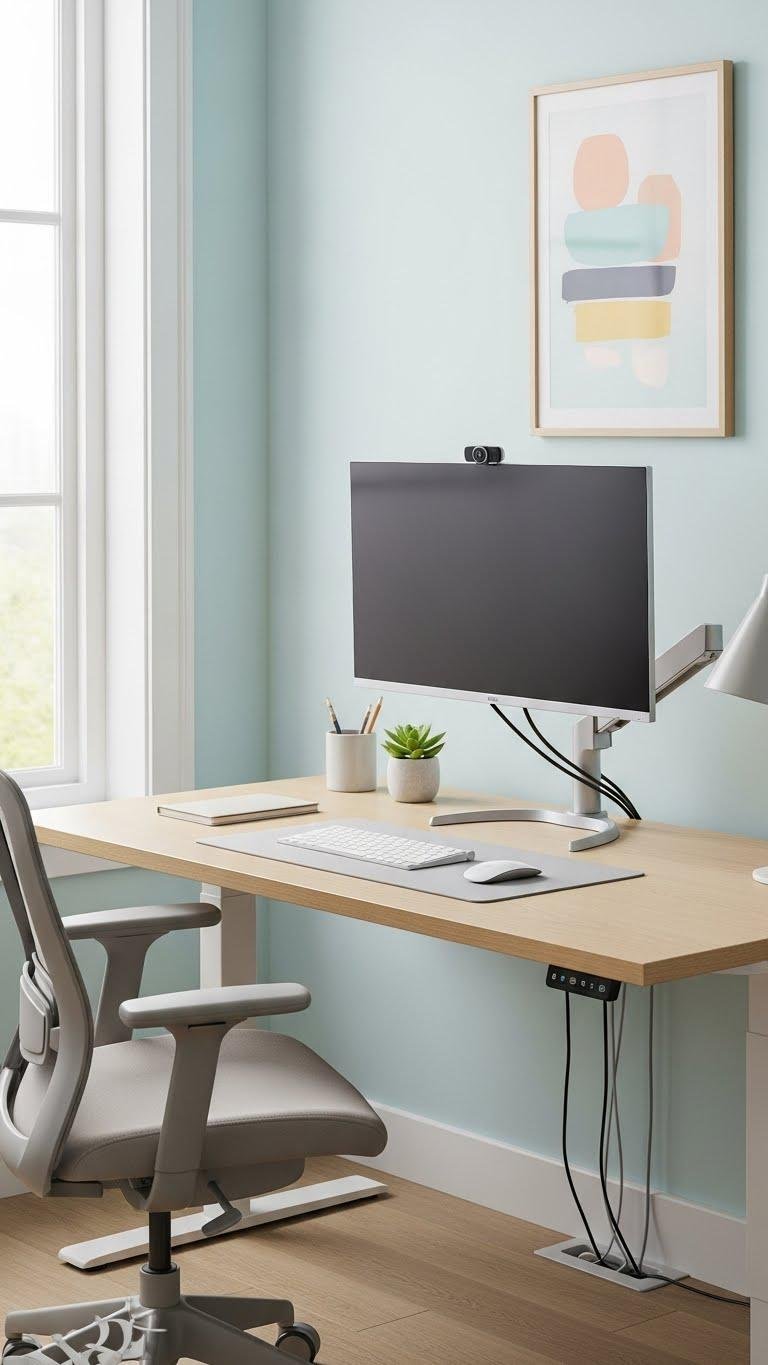
You’ve freed the bathroom of excess; now bring that same restraint to your home office. Clear only what’s unnecessary, keep essentials minimal, and craft an ergonomic layout that supports flow and freedom.
Hide chargers, streamline supplies, and use simple cable management to erase visual clutter. A tidy surface invites focus, creativity, and the calm openness you want from your workspace.
Adopt a One-Hour Weekend Reset Session
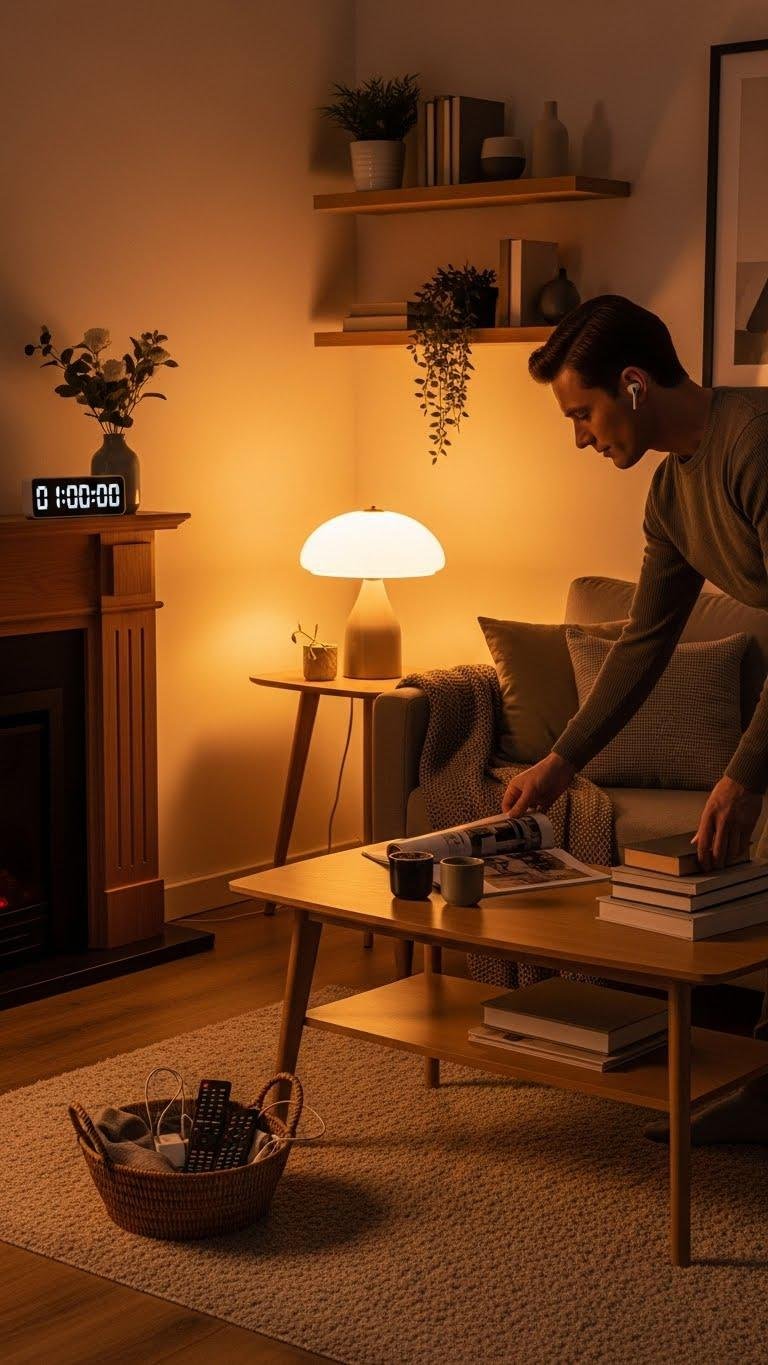
When the week winds down, carve out one focused hour each weekend to reset your home—touch up high-traffic areas, tuck away stray items, and restore surfaces so your space feels intentional again. Set a music timer, pick a refresh playlist, and move with purpose.
You’ll clear visual weight, keep routines light, and reclaim relaxed time without overcommitting, so freedom stays central.
Use Open Shelving Sparingly for Calm Displays
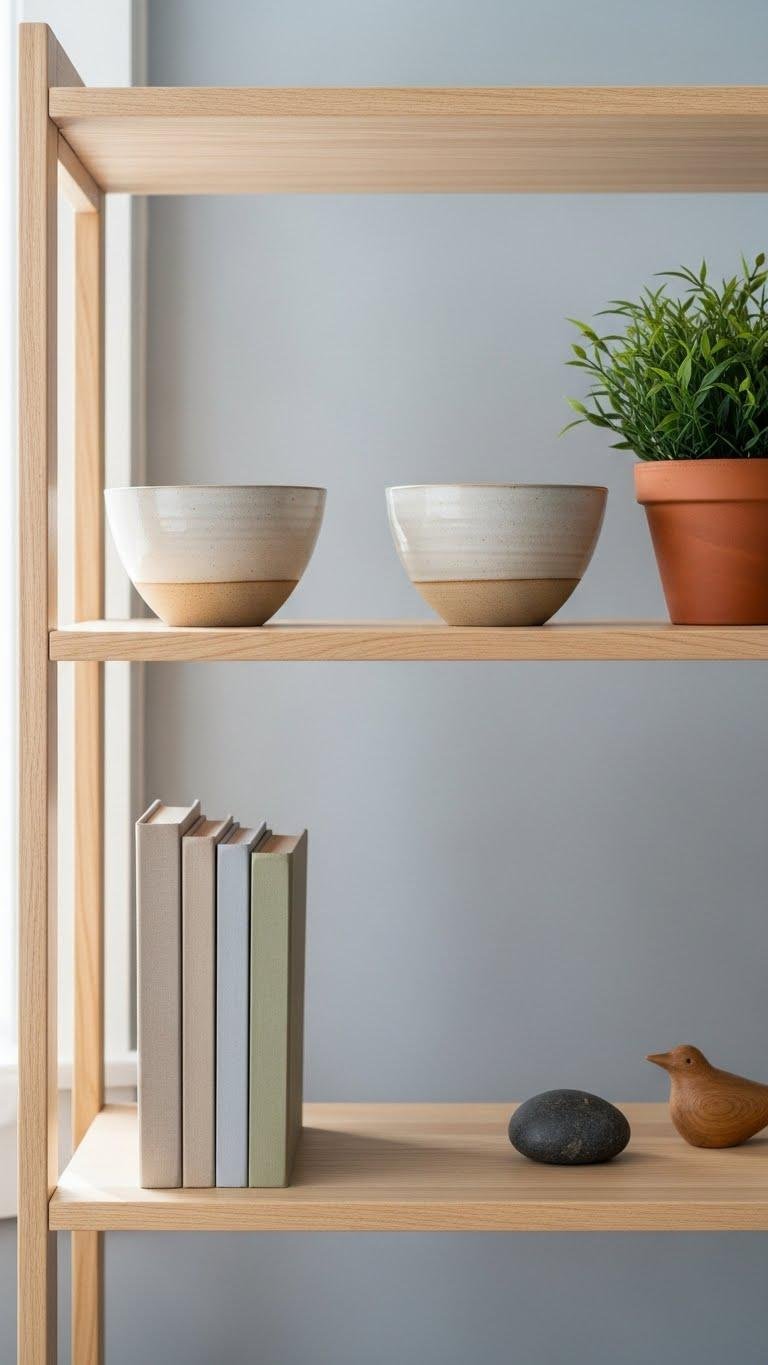
After your one-hour reset has removed visual clutter, let open shelving become a deliberate stage rather than a catchall.
You’ll place only essentials and pieces that breathe — a pair of bowls, a plant, a neat stack of books. Use symmetry arrangements and color coordination to create calm, intentional vignettes. Keep negative space; resist filling every shelf so the room feels free and airy.
Create a Donation Box That Leaves the House Weekly
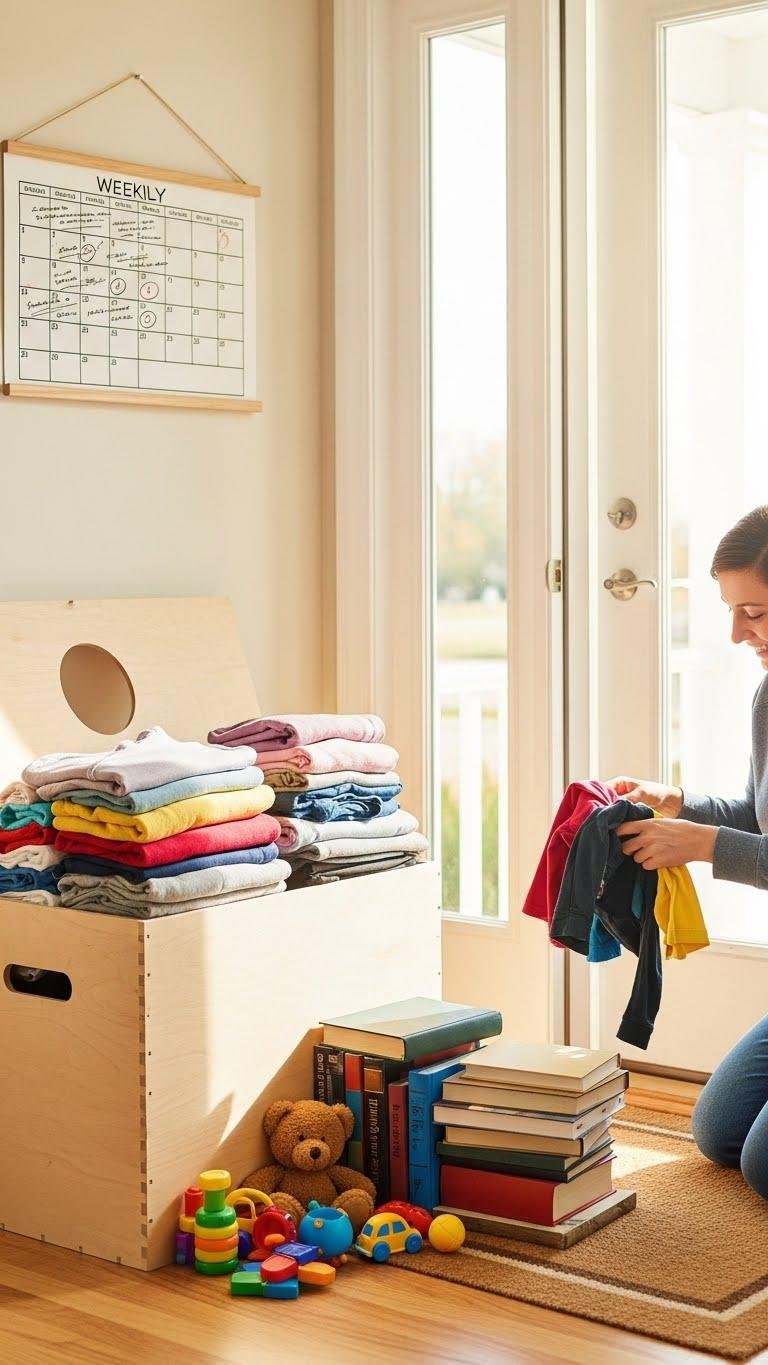
Regularly set out a simple donation box by the door so items leave your home on a predictable schedule.
You’ll sort quickly: donate what you don’t use, label for community pickup or drop-off, and note items for seasonal swapping.
Treat the box as a ritual—weekly removal keeps spaces light, decisions easy, and your home open so you can move freely and breathe.
Limit Collections and Display Them Thoughtfully
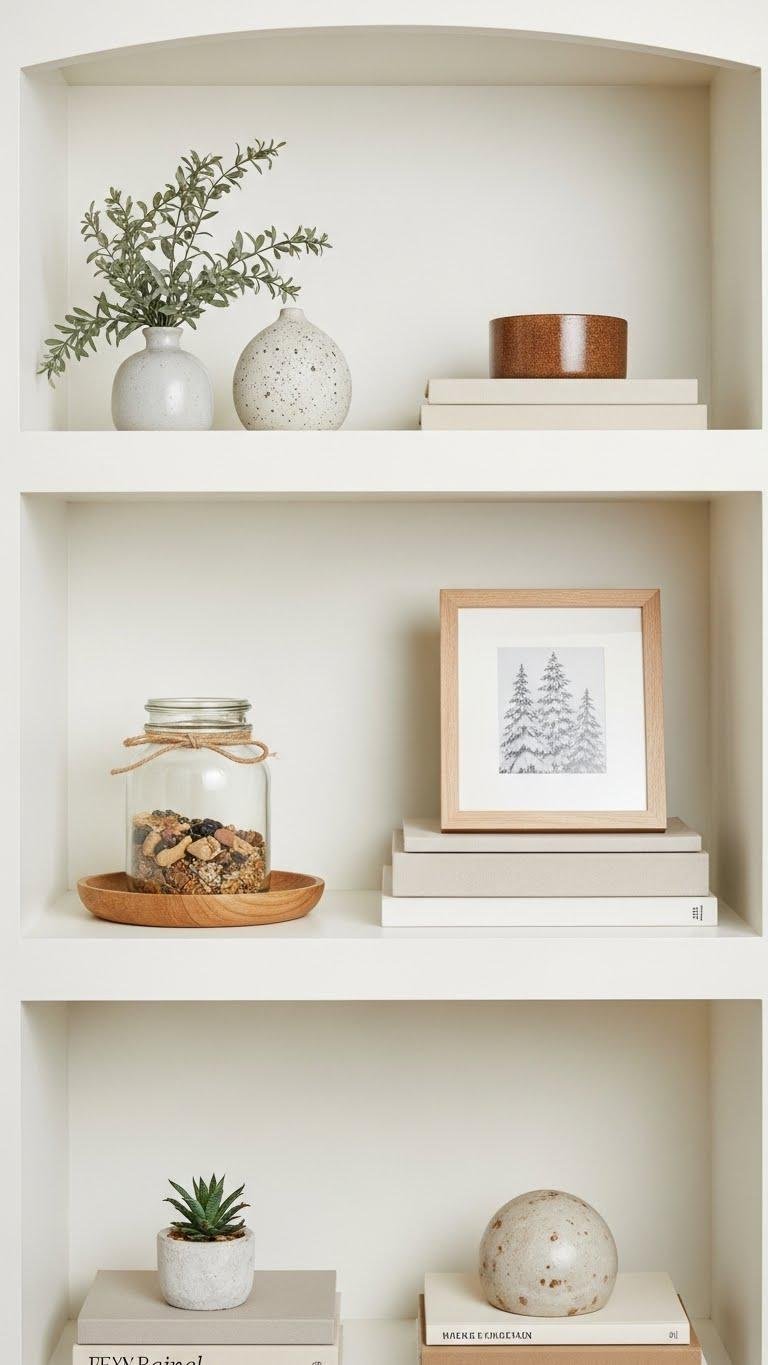
Keep only what you love and show it off with intention: choose a single shelf or small vignette for a curated group, rotate pieces seasonally, and cap how many similar items you keep so displays stay meaningful.
You’ll practice display editing, keep lines clean, and let each object breathe. Seasonal rotation refreshes the room, reduces visual clutter, and honors your freedom to change.
Keep a Minimalist Mindset for Gift Giving
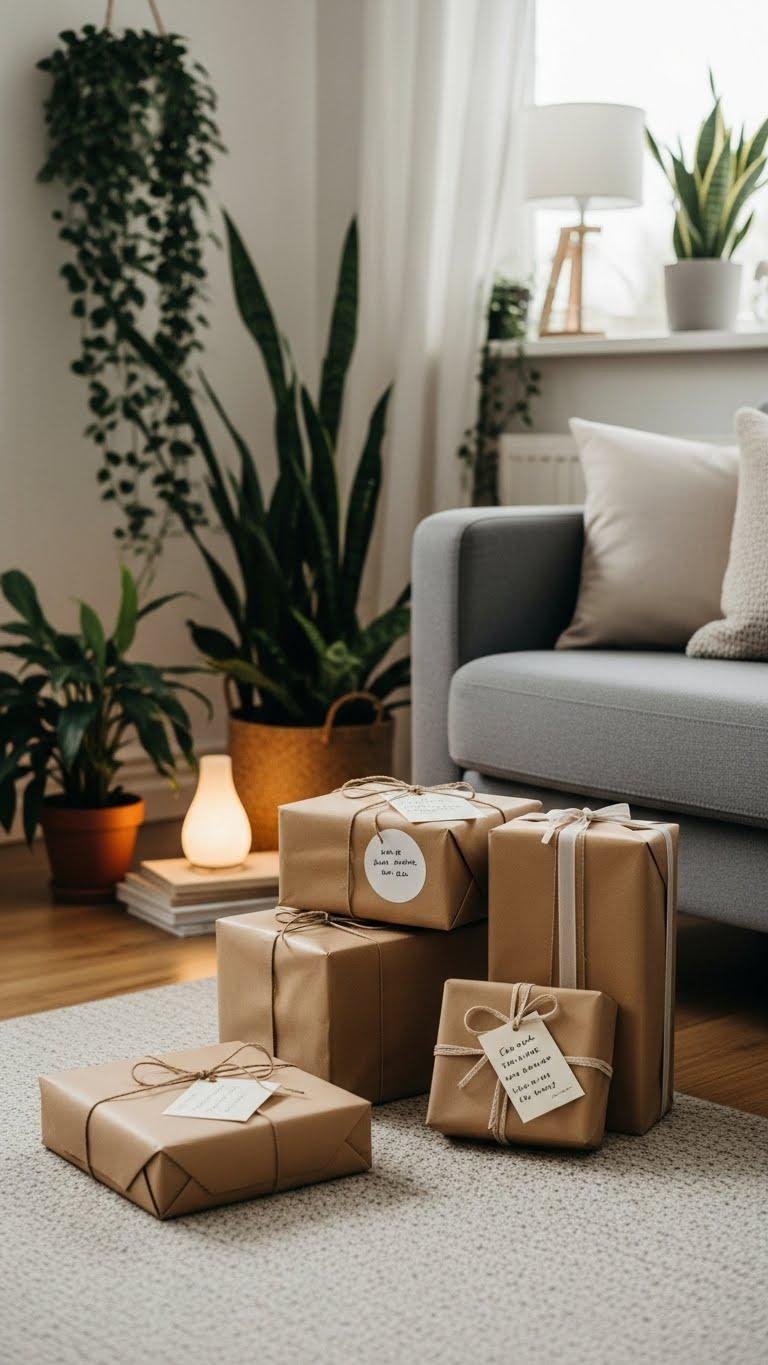
When you give, choose intention over excess: pick fewer, higher-quality items or experiences that fit the recipient’s life, tastes, and space so your gifts bring joy instead of adding clutter.
Keep a minimalist mindset: favor experiential giving, curated essentials, or consumables. Use sustainable wrapping, simple notes, and mindful timing so each present supports freedom, beauty, and a calmer, more open home.
Reclaim the Garage With Zoned Storage
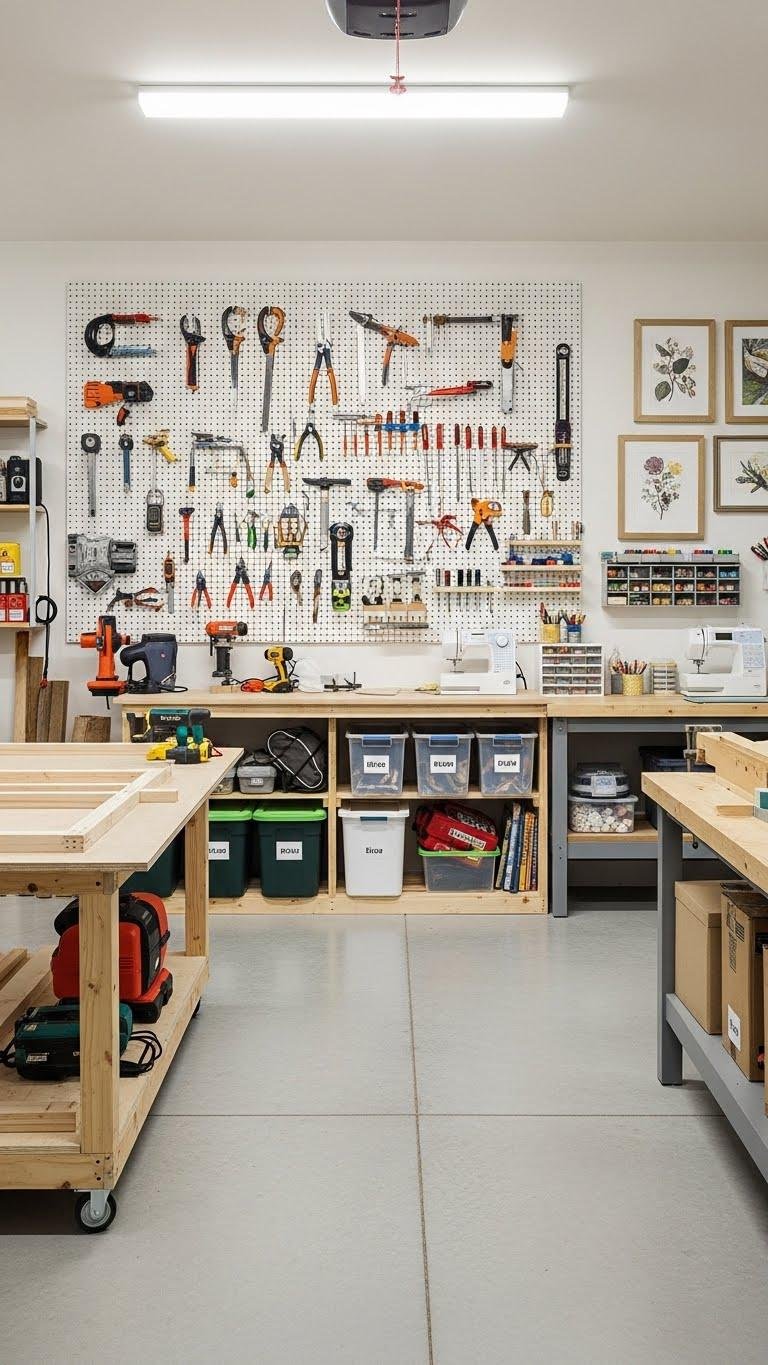
Zoned storage turns your garage from a chaotic overflow into a calm, useful extension of your home: designate clear areas for tools, seasonal gear, hobbies, and projects so everything has a place.
You’ll create tool zones with pegboards, carts, and cabinets, add shelf labels for quick retrieval, and keep floor space open so movement feels effortless and ownership of your space feels freeing.
Use Plants and Light to Enhance the Feeling of Space
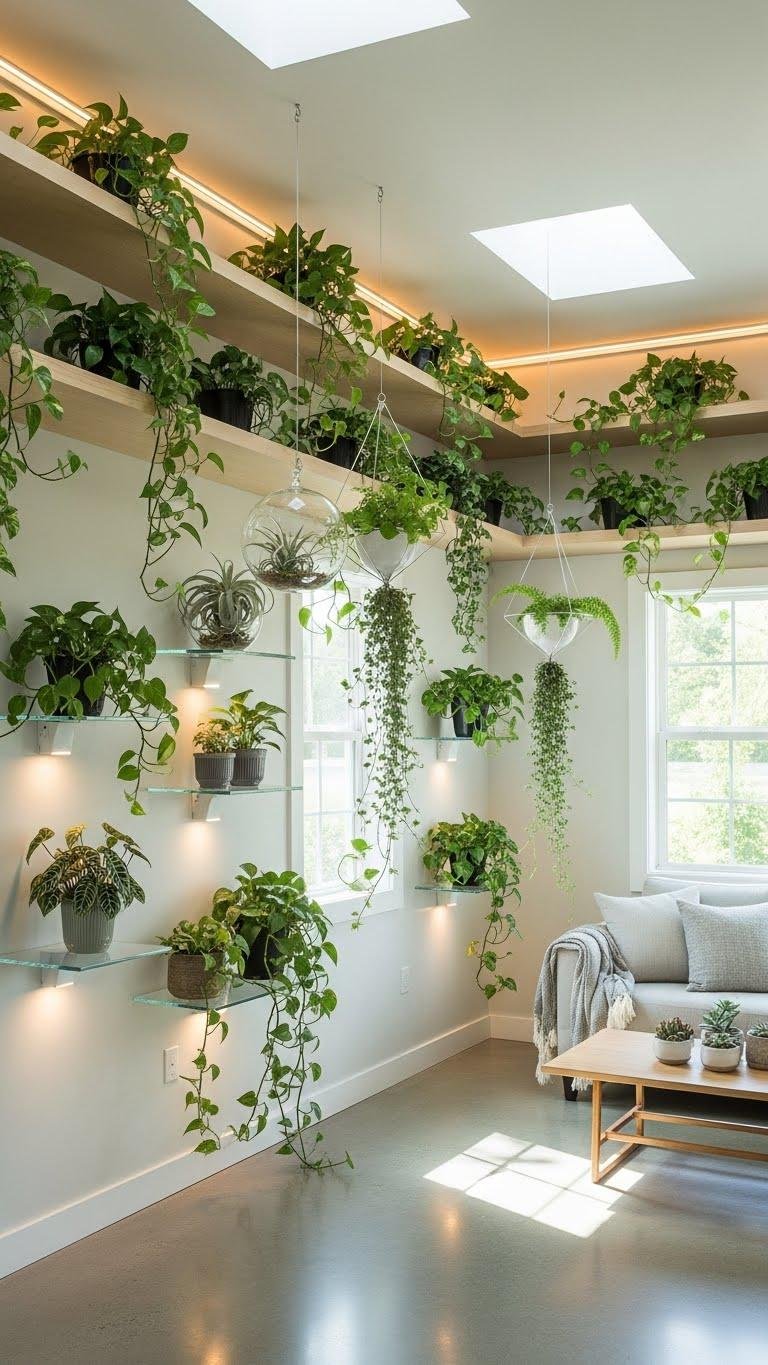
Because light and greenery work together to expand perception, introduce plants and layered lighting to make rooms feel airier and alive. You’ll place trailing plants on high shelves and use indirect lighting to wash walls softly, creating depth without clutter. Opt for pots that float or hang, keep surfaces clear, and let natural light pair with warm LEDs so spaces breathe and invite movement.