
You can create a calm, neutral home that feels effortlessly intentional and low-stress by focusing on layered textures, warm greiges, and natural materials that add depth without clutter. Think large windows, curved low-profile furniture, breathable linens, and hidden storage to keep sightlines open and movement easy. I’ll outline practical ways to balance light, acoustics, and tactile warmth so your space becomes quietly restorative — starting with paint and daylight strategies.
Use a Soothing Neutral Paint Palette
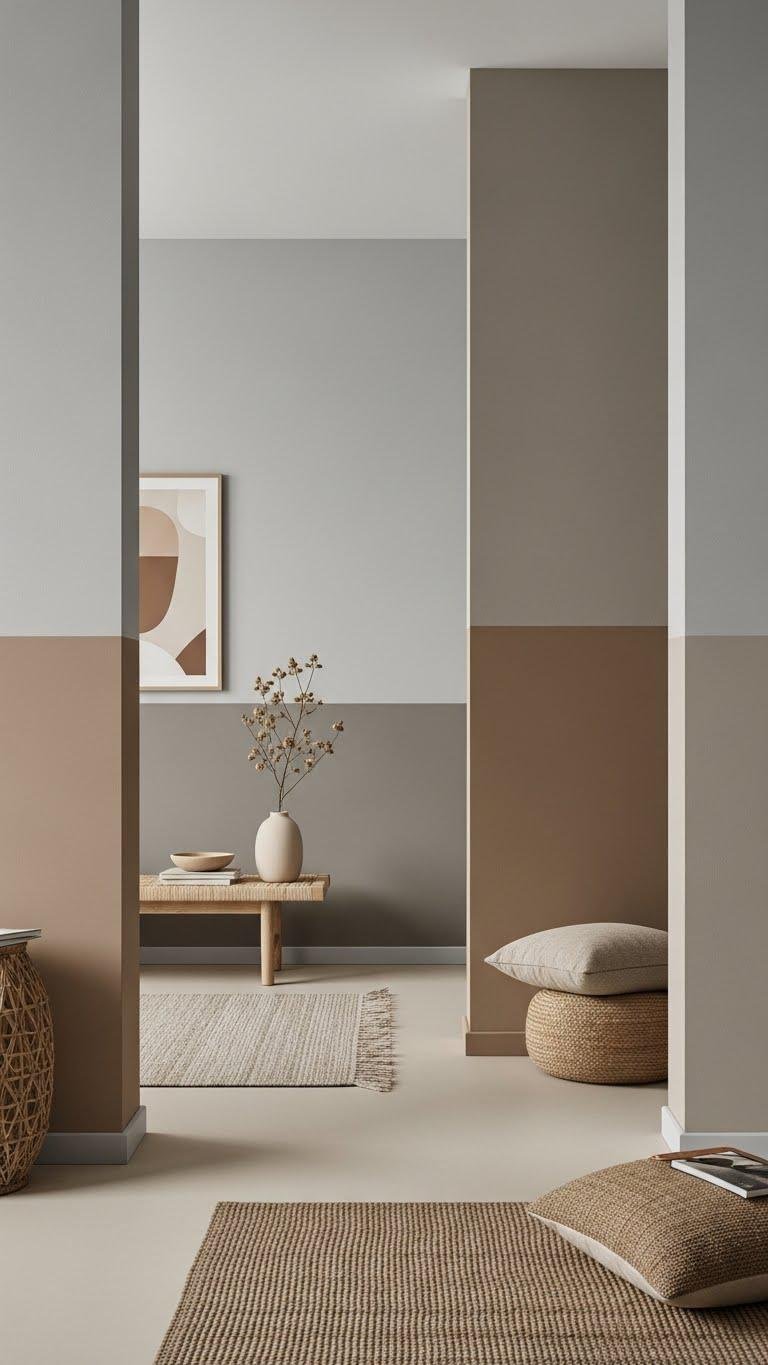
When you pick a neutral paint palette, aim for depth and harmony rather than blandness; muted greiges, warm ivories, and soft taupes create layers that feel intentional.
You’ll favor earth tone choices—soft gray and warm beige—to define zones, pairing matte finish walls with textured accents. Keep contrasts subtle, let tonal shifts guide movement, and choose finishes that invite calm without constraining your freedom.
Maximize Natural Light With Large Windows
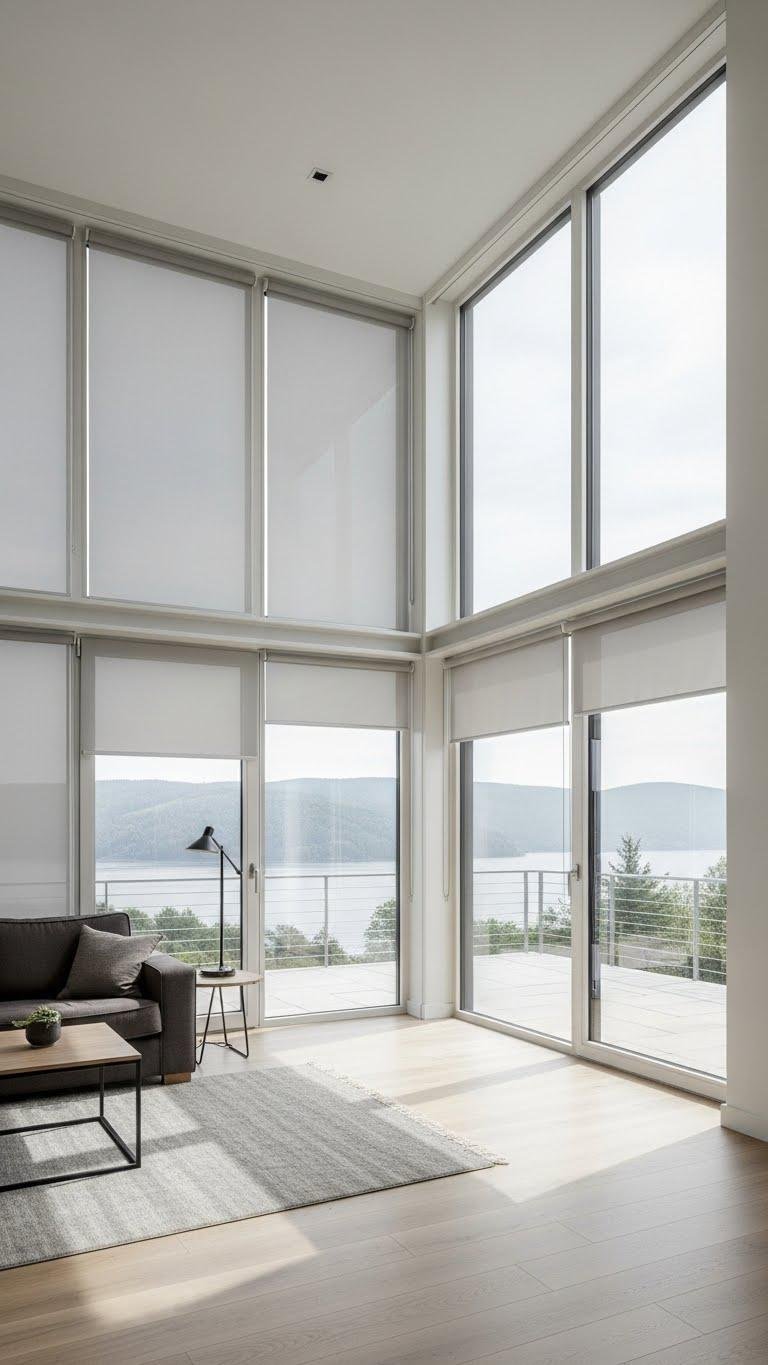
Open up your walls to light by choosing large, well-placed windows that frame views and flood interiors with soft, even daylight. You’ll consider window placement to balance privacy and panorama, orient glazing for seasonal sun, and specify discreet solar shading to cut glare without closing you in.
Keep muntins minimal, choose slim frames, and let daylight define calm, airy spaces that feel liberating.
Add Indoor Plants for Calm and Cleaner Air
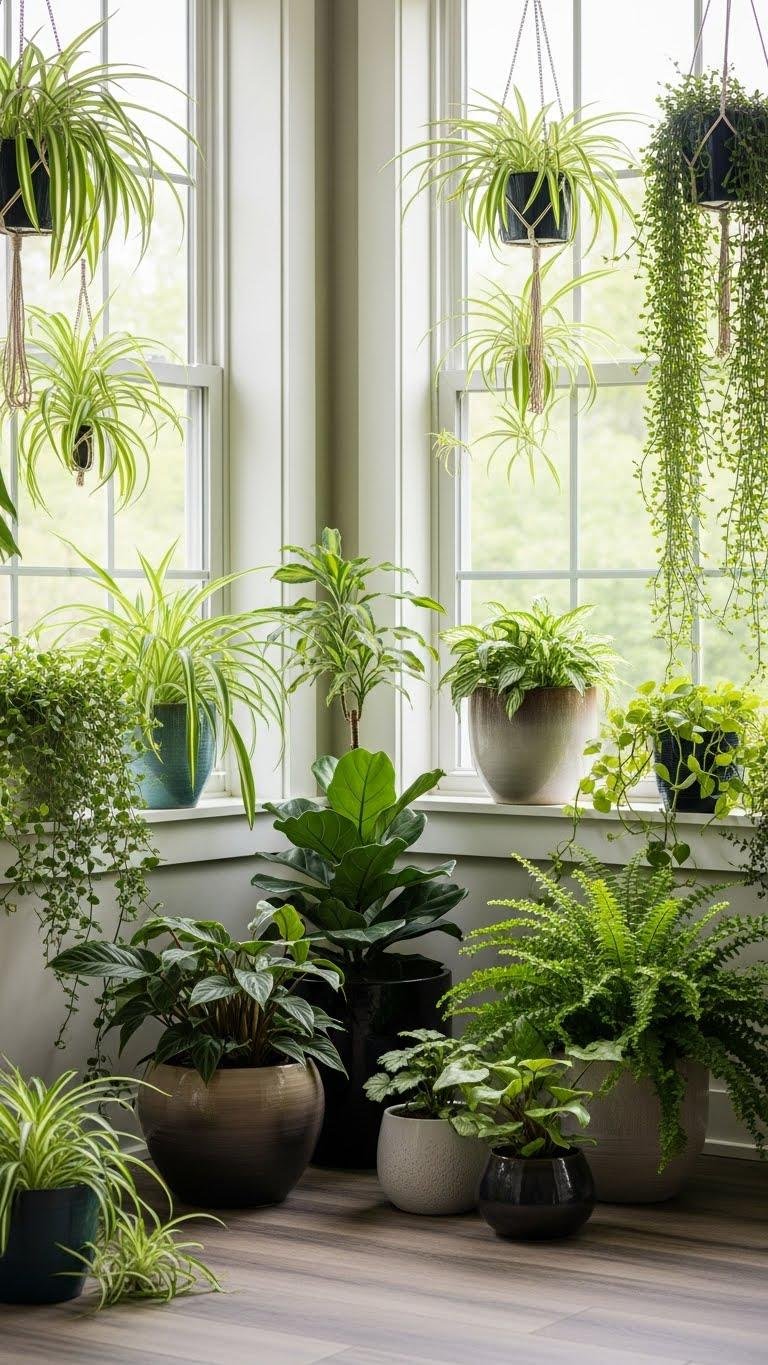
Choose Natural Wood Furniture and Accents
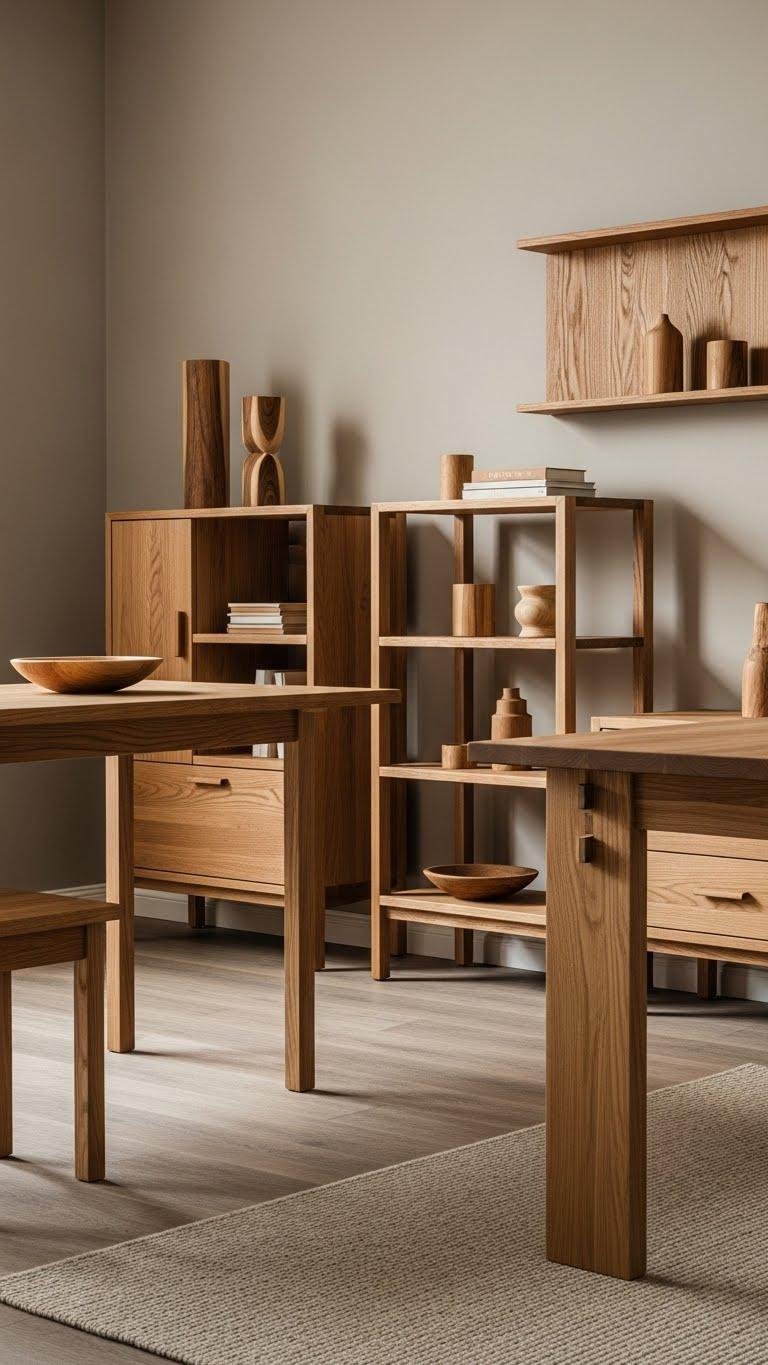
Natural wood brings warmth and grounding to a neutral home, so choose pieces with visible grain and simple silhouettes that highlight craftsmanship rather than ornamentation.
You’ll favor sustainably made tables, shelving, and accents with sustainable sourcing clearly labeled. Balance tones through finish harmonization—match matte oils or satin lacquers to existing woods—so each piece feels deliberate, unconfined, and easy to live with.
Incorporate Soft Textures With Natural Fibers
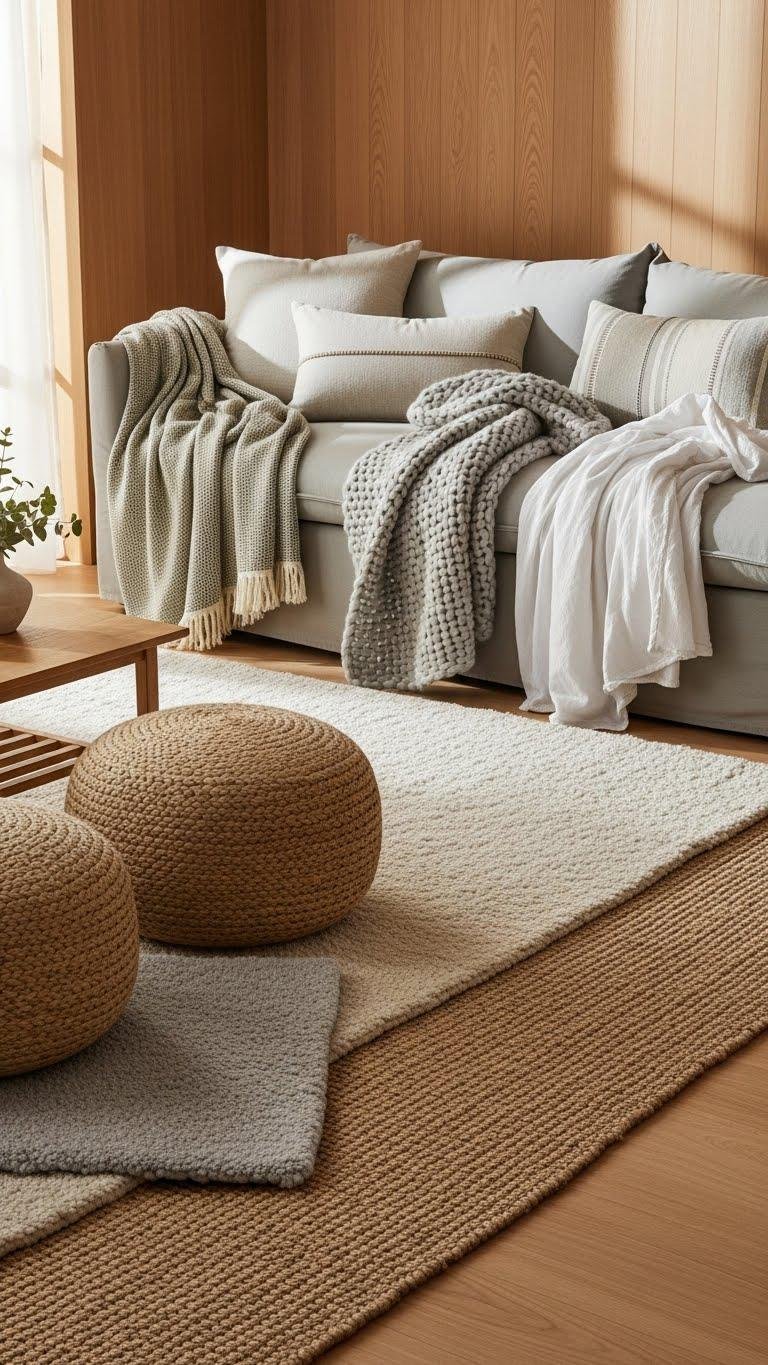
Once you’ve grounded the room with warm wood tones, soften the edges with textiles woven from linen, wool, cotton, and jute to create a tactile layer that invites touch.
You’ll layer bamboo throws for cool breathability, pair textured wool rugs with jute poufs for organic form, and choose muted palettes.
The result feels breathable, intentional, and freeing without excess.
Create a Minimalist, Clutter-Free Layout
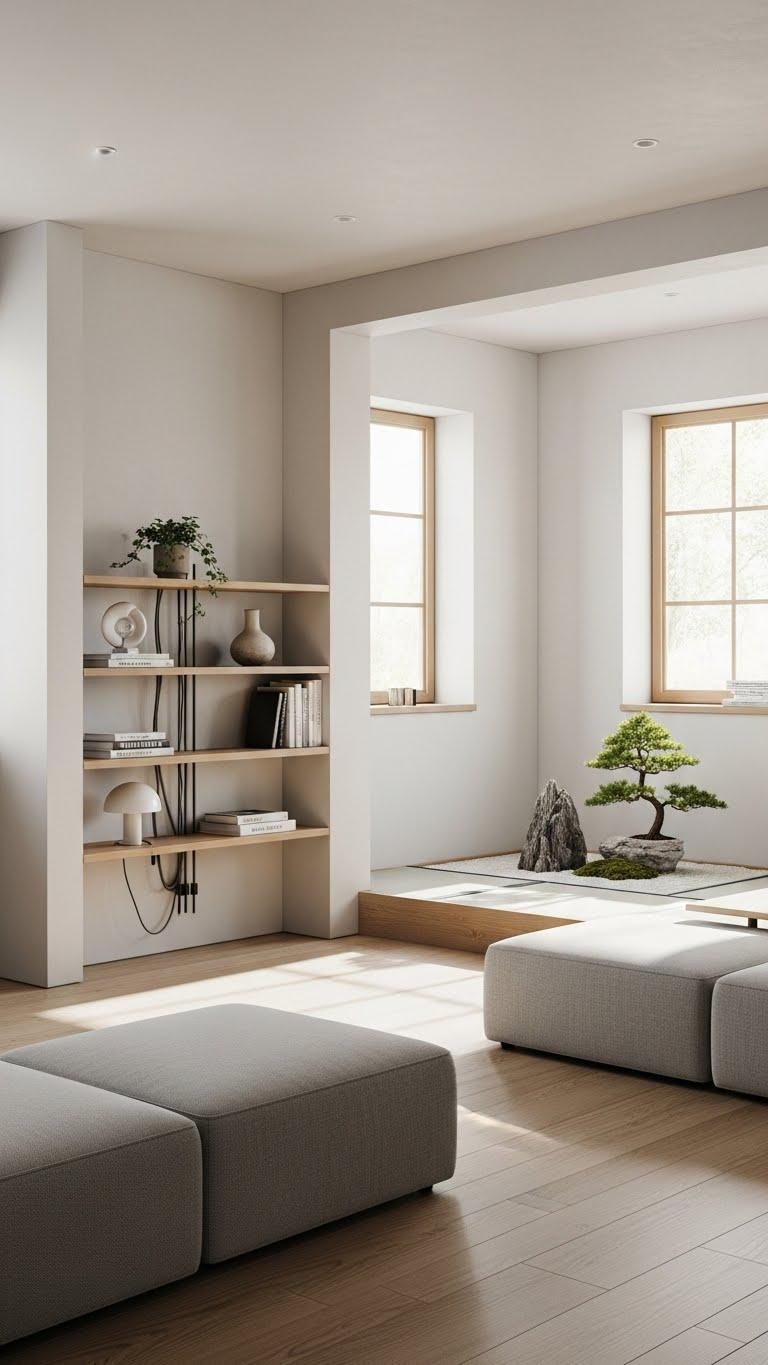
When you pare the room down to essentials, every piece earns its place and the space breathes; reserve surfaces, keep pathways open, and choose furniture with clean lines and hidden storage so sightlines stay calm.
You’ll favor open shelving for curated items, conceal hidden cables, arrange modular benches for flexible seating, and define a small zen alcove—each element supports calm, functional freedom.
Introduce Gentle Blue and Green Accents
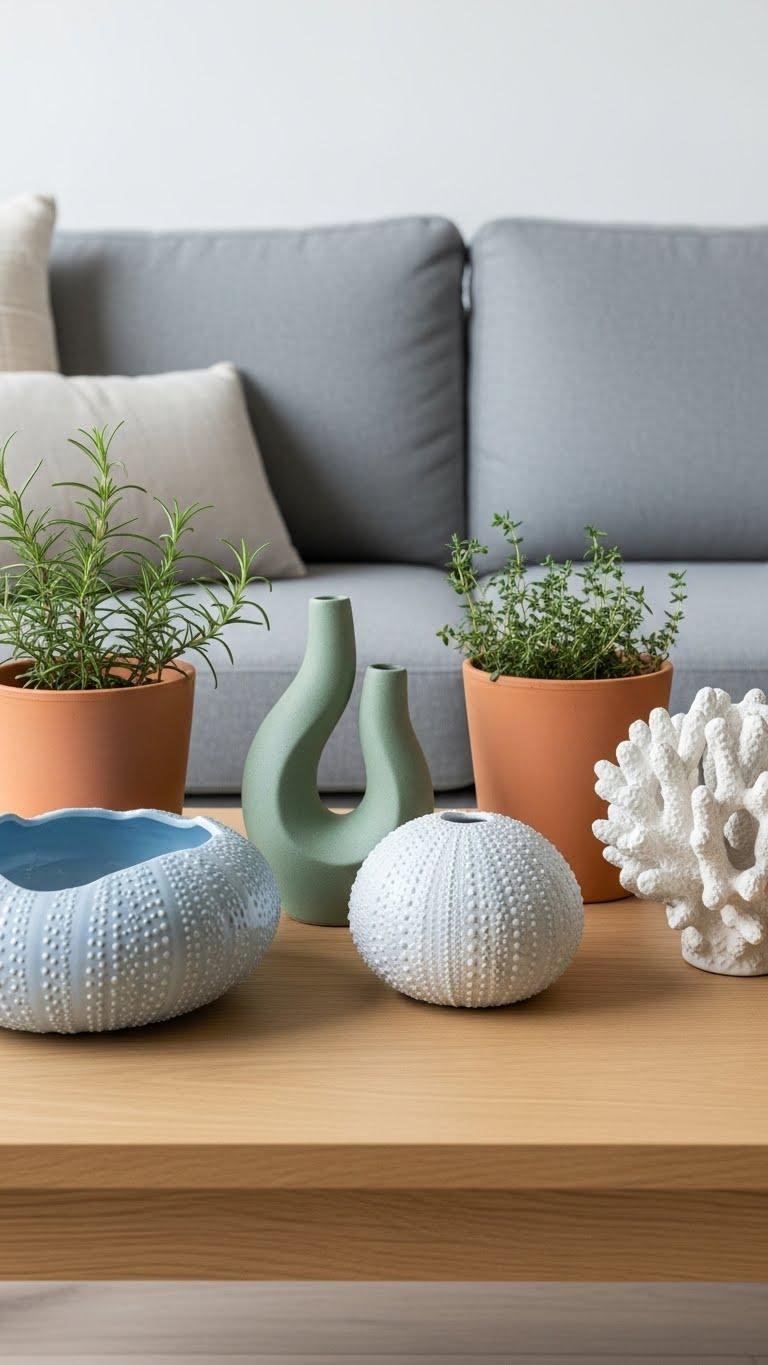
If you want the room to feel quietly refreshed, introduce soft blues and muted greens as thoughtful accents rather than dominant colors. You’ll choose ocean inspired accents—subtle ceramics or pillows—and pair them with herbal greenery pairings in simple planters.
Keep repetition minimal: focus on texture, tone, and scale so color feels liberating, calm, and intentionally curated without overwhelming your neutral base.
Layer Sheer Curtains to Diffuse Sunlight
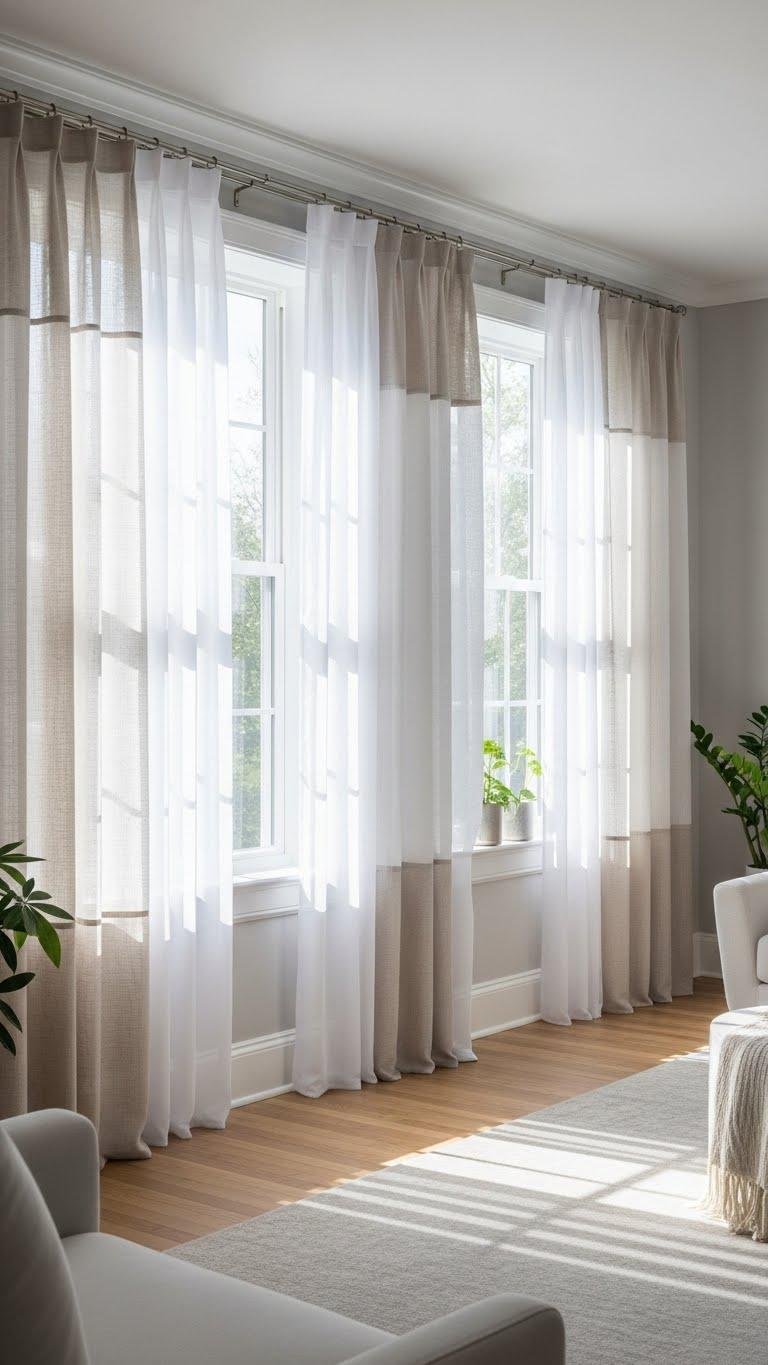
Pull sheer curtains across your windows to soften harsh light and add an ethereal layer to a neutral room. You’ll choose ultra fine voile for weightless drape, then add a discreet solar control lining to reduce glare and protect fabrics.
Layer textures—linen panels behind voile, minimal rods—so you control brightness, preserve views, and keep the space airy and liberated.
Use Curved Furniture to Soften the Space
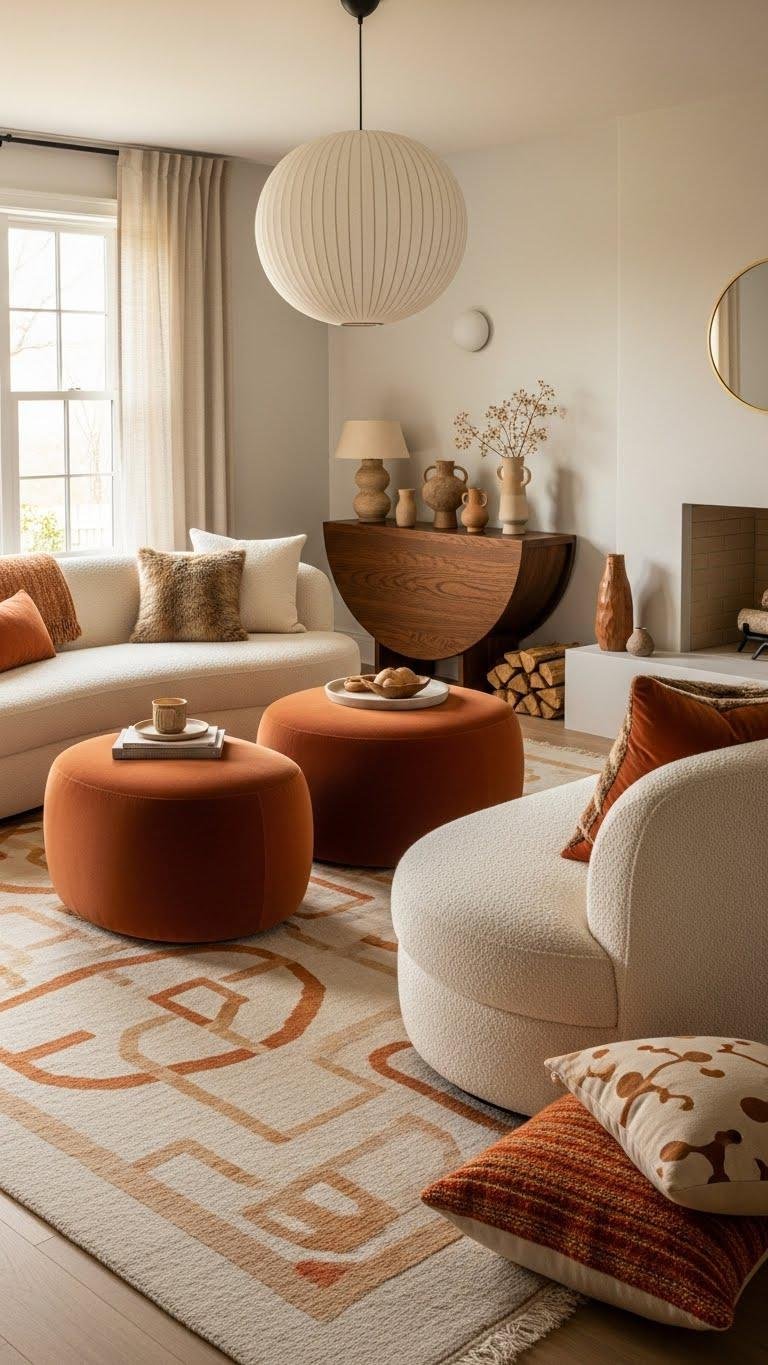
Often you’ll find that curved furniture instantly softens a room’s edges and invites you to linger; rounded silhouettes reduce visual tension, guide movement, and create cozy sightlines that make a space feel more relaxed and intentional.
Choose sculptural ottomans for flexible seating and rounded consoles to anchor entryways. You’ll create flow, encourage ease, and keep the palette calm while embracing playful, liberated forms.
Add Natural Stone or Ceramic Surfaces
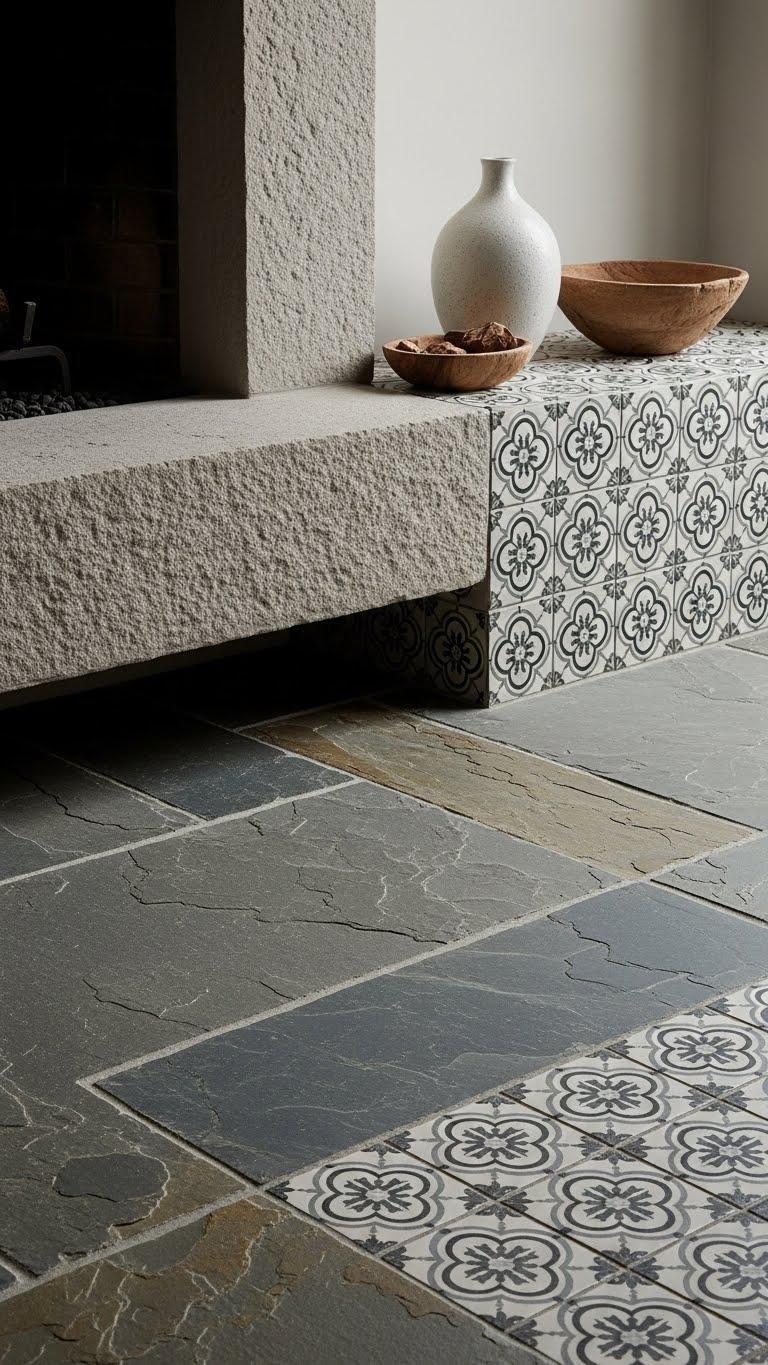
When you bring natural stone or handcrafted ceramic surfaces into a room, they anchor the palette with tactile calm and subtle variation that you can both see and feel. Choose hand laid slate for grounding floors or a textured hearth, and encaustic tiles for patterned accents.
You’ll create durable, low-maintenance statements that feel curated, free, and quietly luxurious without overpowering the space.
Select Low-Gloss Finishes for a Calm Look
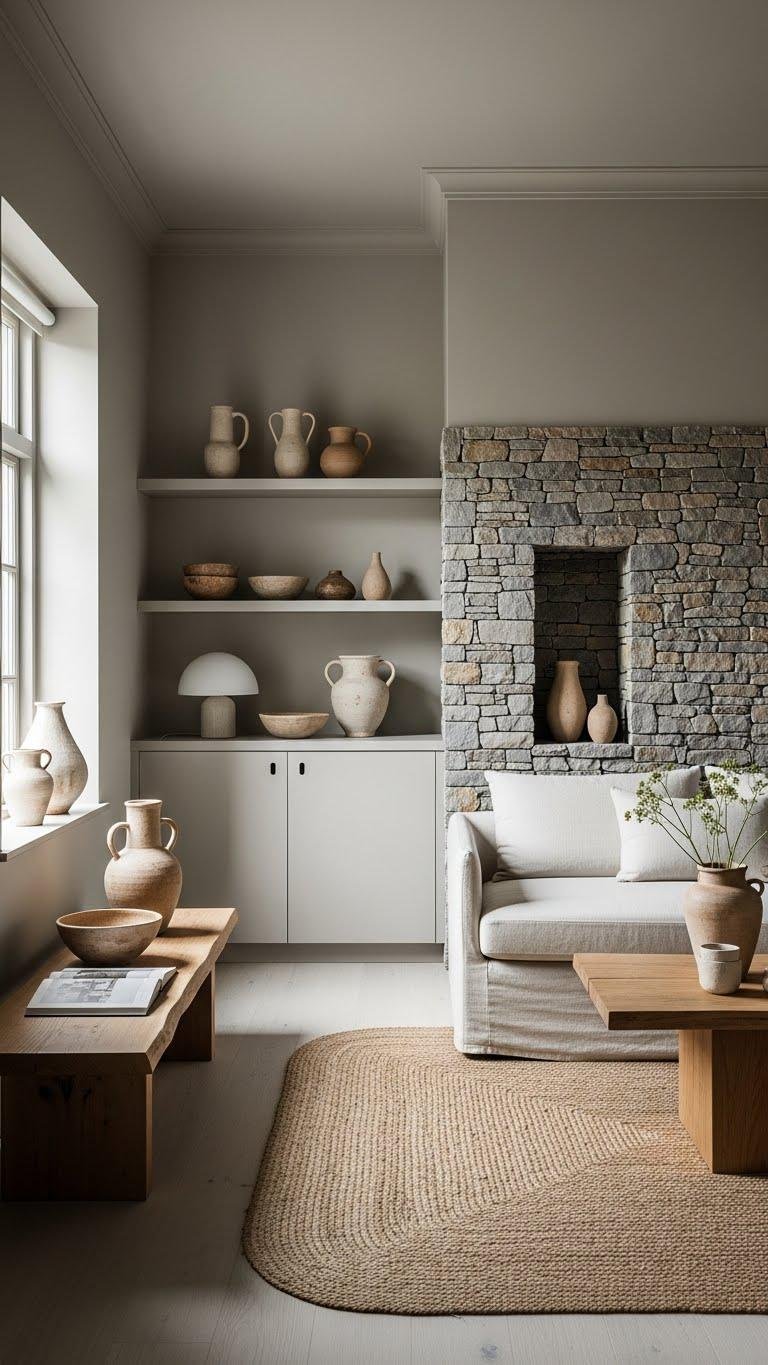
After anchoring a room with stone or handmade ceramics, choose low-gloss finishes to keep surfaces feeling soft and tactile rather than reflective or busy. You’ll favor matte finishes on walls to conceal imperfections and create calm planes, while using satin sheens selectively on trim or cabinetry for subtle durability. These restrained choices let textures breathe and support a liberated, peaceful home aesthetic.
Use Mirrors to Amplify Daylight
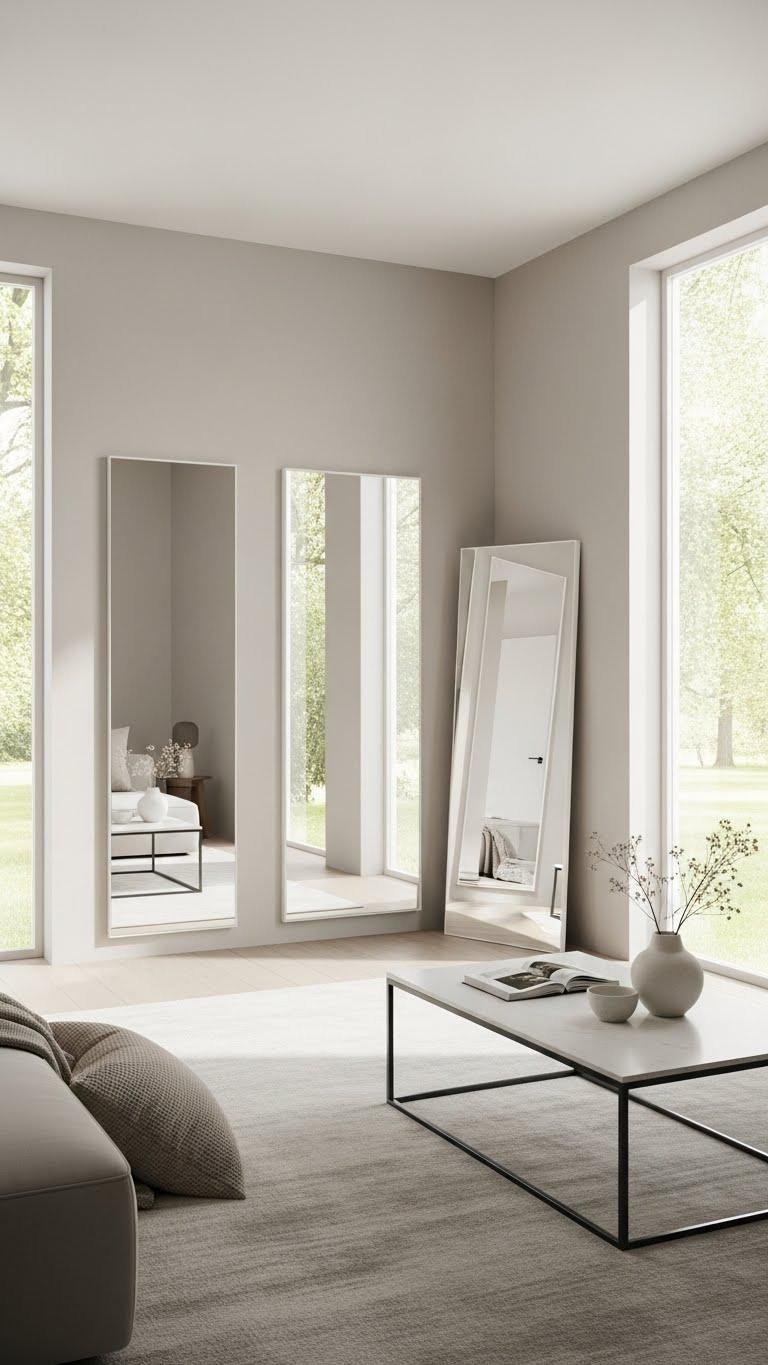
Position mirrors to catch and redirect natural light, and you’ll instantly brighten and enlarge a serene space without adding visual clutter. You’ll consider angle placement carefully—tilt toward windows or vistas to amplify daylight and view depth. Use reflective styling with slim frames, unadorned edges, and layered mirrors to create openness. This approach feels liberating, intentional, and remarkably calm in your neutral home.
Opt for Warm, Dimmable Lighting
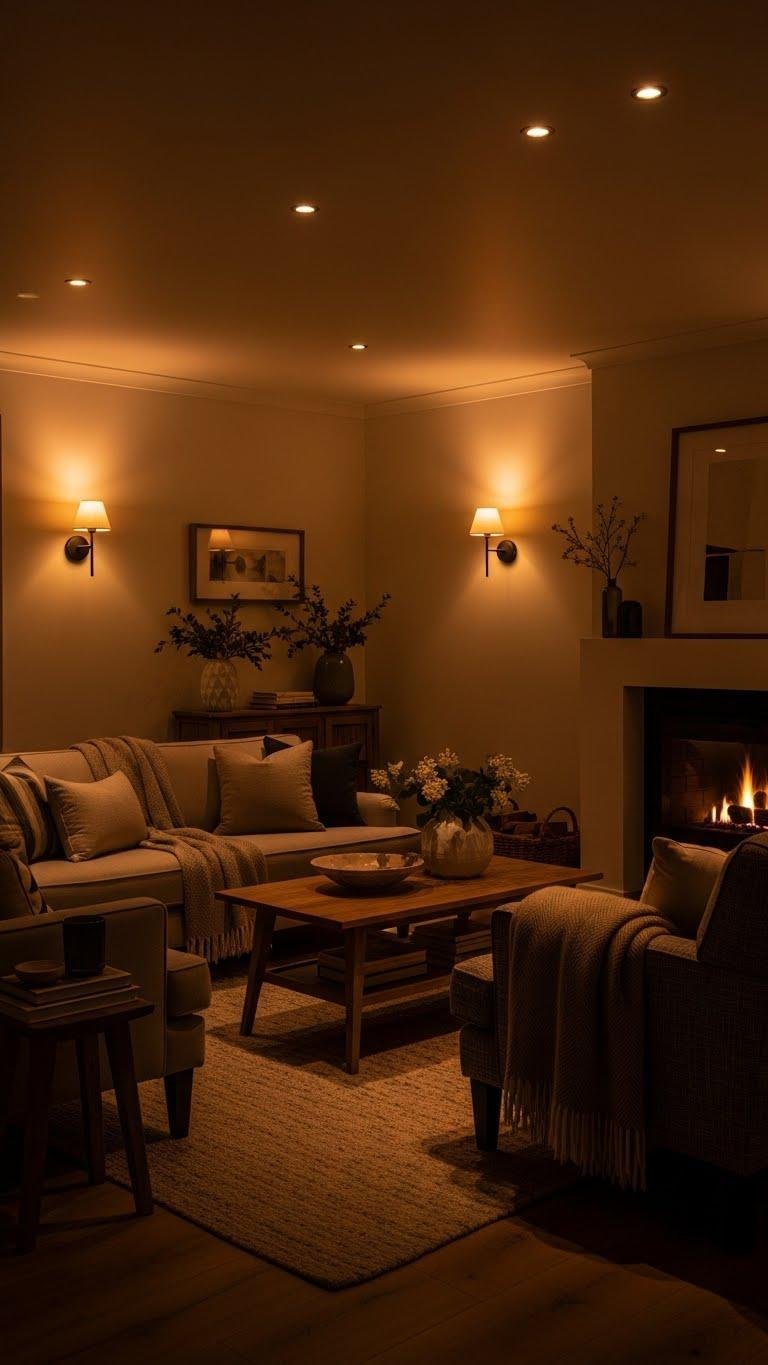
Frequently you’ll find that warm, dimmable lighting instantly softens a neutral room and makes it feel lived-in rather than staged. You’ll choose bulbs with soft amber tones and layer light for control. Install dimmable sconces and adjustable overheads so you set mood and energy. This practical, elegant approach lets you relax, entertain, or focus—your space responds to how you want to live.
Include Acoustic Softening Elements
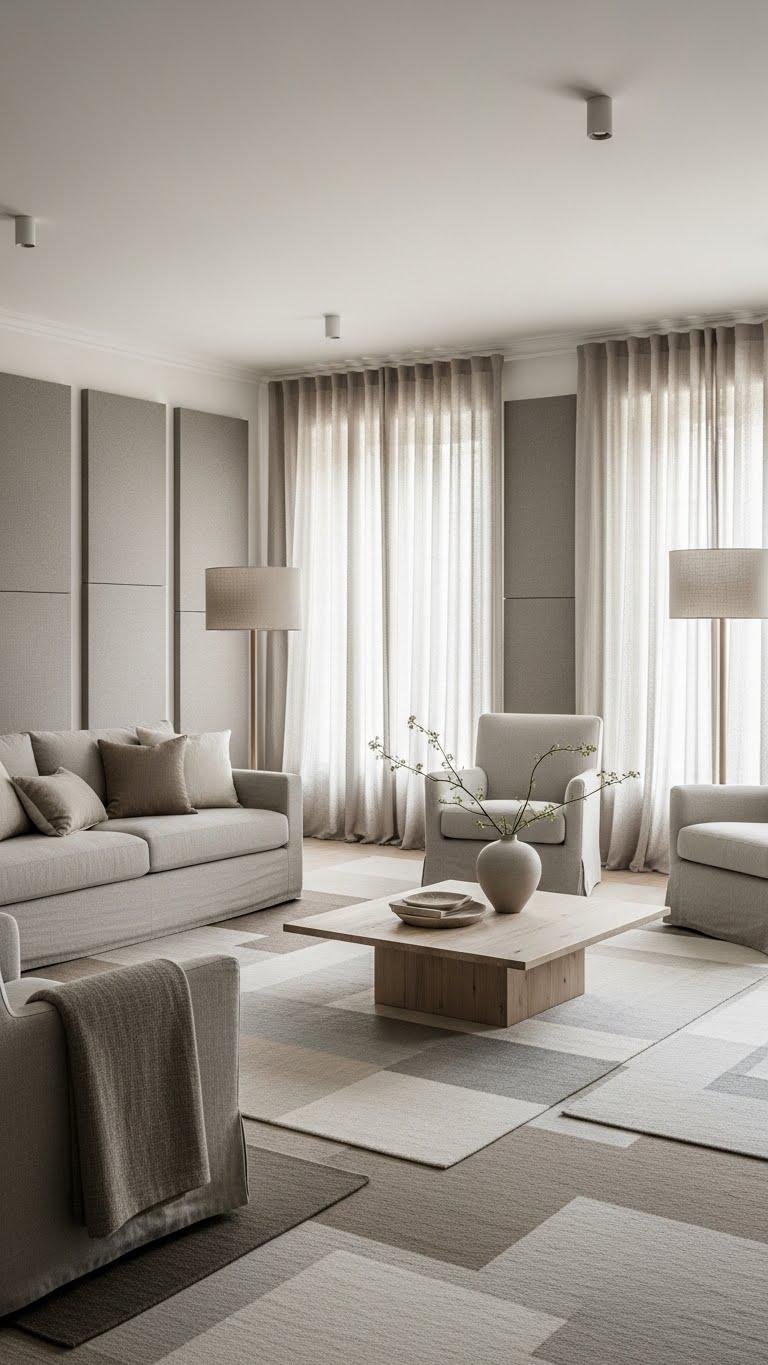
When you add soft textiles and sound-absorbing surfaces, your calm neutral room will feel quieter and more intimate.
You’ll layer rugs, upholstered furniture and wall-mounted acoustic panels to tame echoes without sacrificing lightness.
Choose muted tones and natural textures, and hang soundproof curtains at windows to block exterior noise.
The result is a serene, spacious atmosphere that lets you breathe and move freely.
Create a Cozy Reading Nook
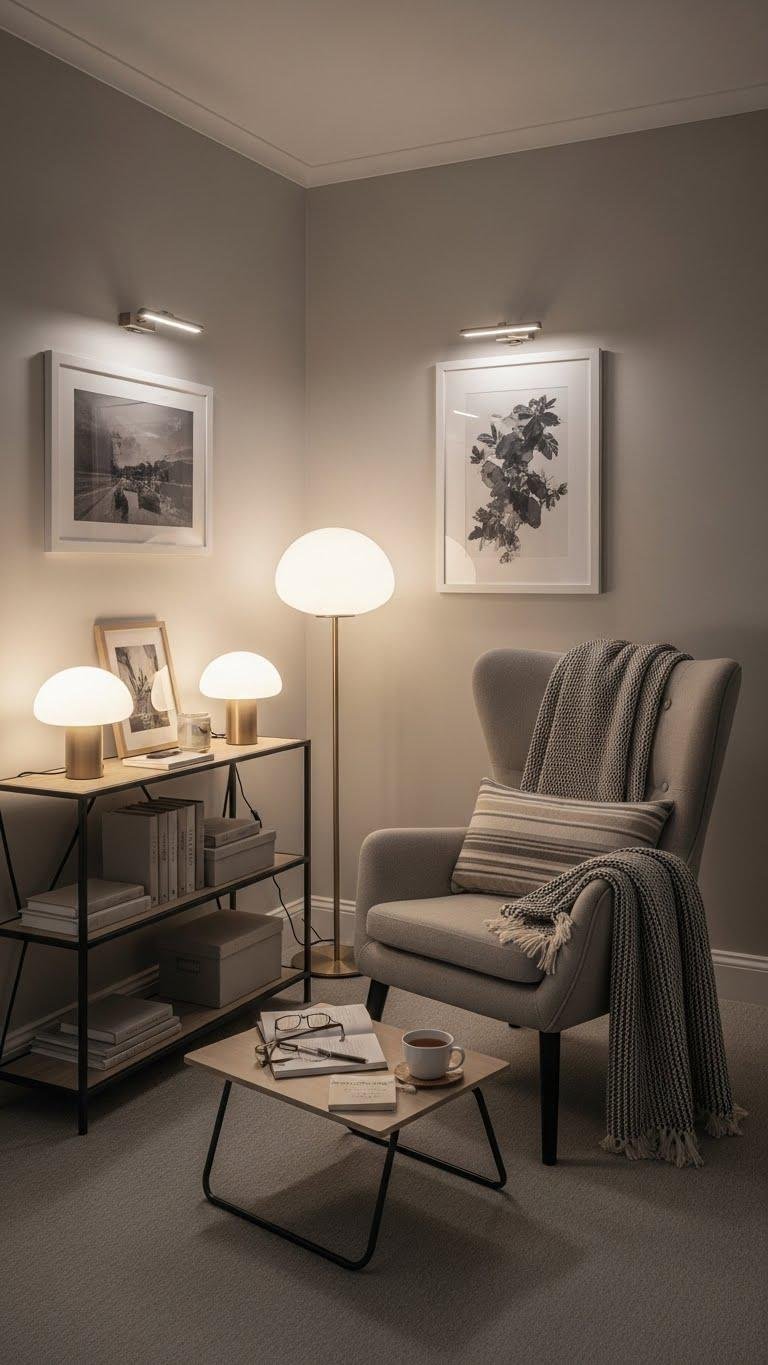
A tucked-in reading nook gives your calm neutral room a purposeful, inviting corner where you can linger; pick a spot with soft, even light and enough wall space for a slim bookshelf or floating shelves.
Choose a comfortable chair, layered textiles, low light lamps for evening, and a portable lapdesk for tea and notes.
Keep palette muted, lines clean, clutter minimal.
Integrate Sustainable, Renewable Materials
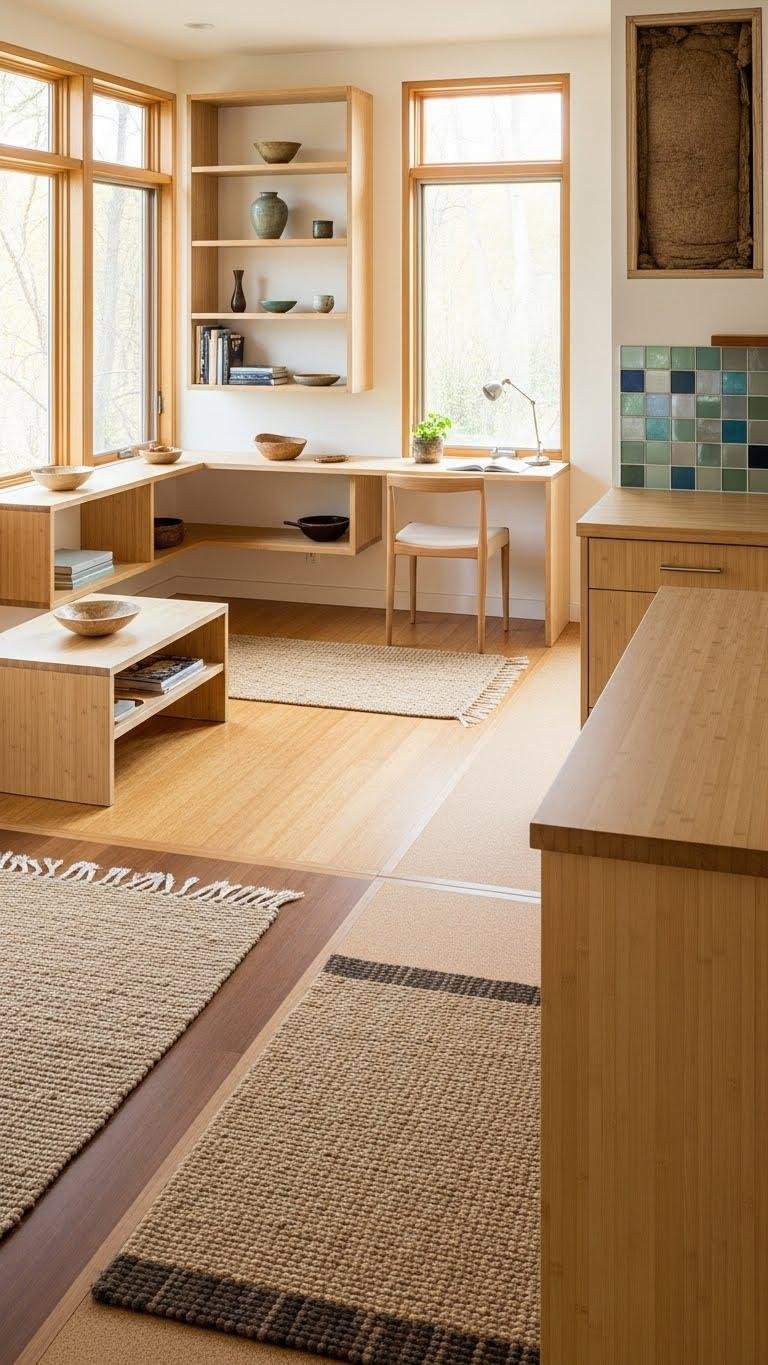
Start by choosing materials that balance beauty with low environmental impact—think FSC-certified wood for shelving and furniture, rapidly renewable bamboo for flooring or accents, and natural fiber rugs in wool or jute.
You’ll favor bamboo countertops and cork flooring for durability, add recycled glass tiles for subtle sparkle, and use hemp insulation to improve comfort and indoor air quality while keeping your space liberating and calm.
Keep a Limited, Harmonious Color Scheme
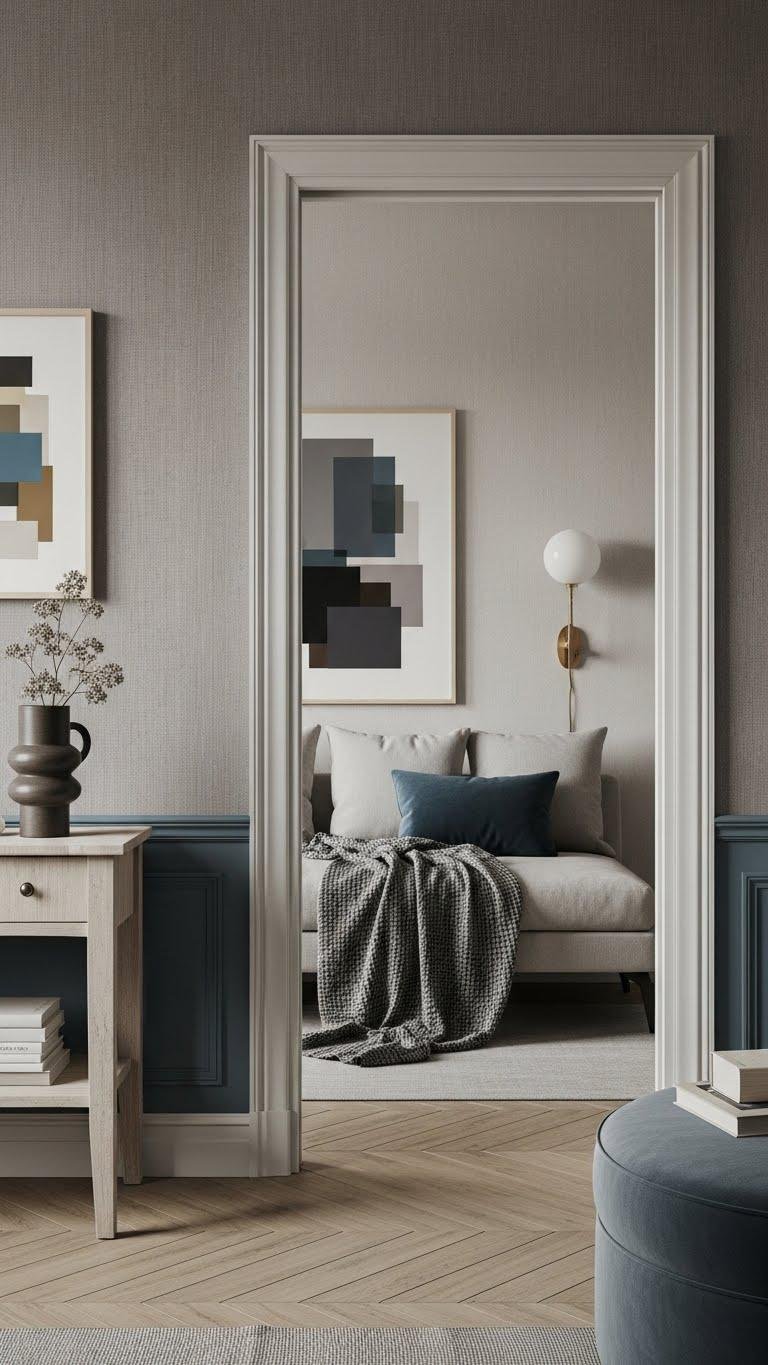
Choose three to five core hues and stick to them across walls, textiles, and finishes so your eye can rest and the room reads as a cohesive whole. You’ll balance muted jeweltones with soft neutrals, use tonal wallpapers sparingly for depth, and mix matte and subtle sheen to create calm contrast.
This restraint frees you to edit, personalize, and maintain serene visual flow.
Design an Organized Entryway With Smart Storage
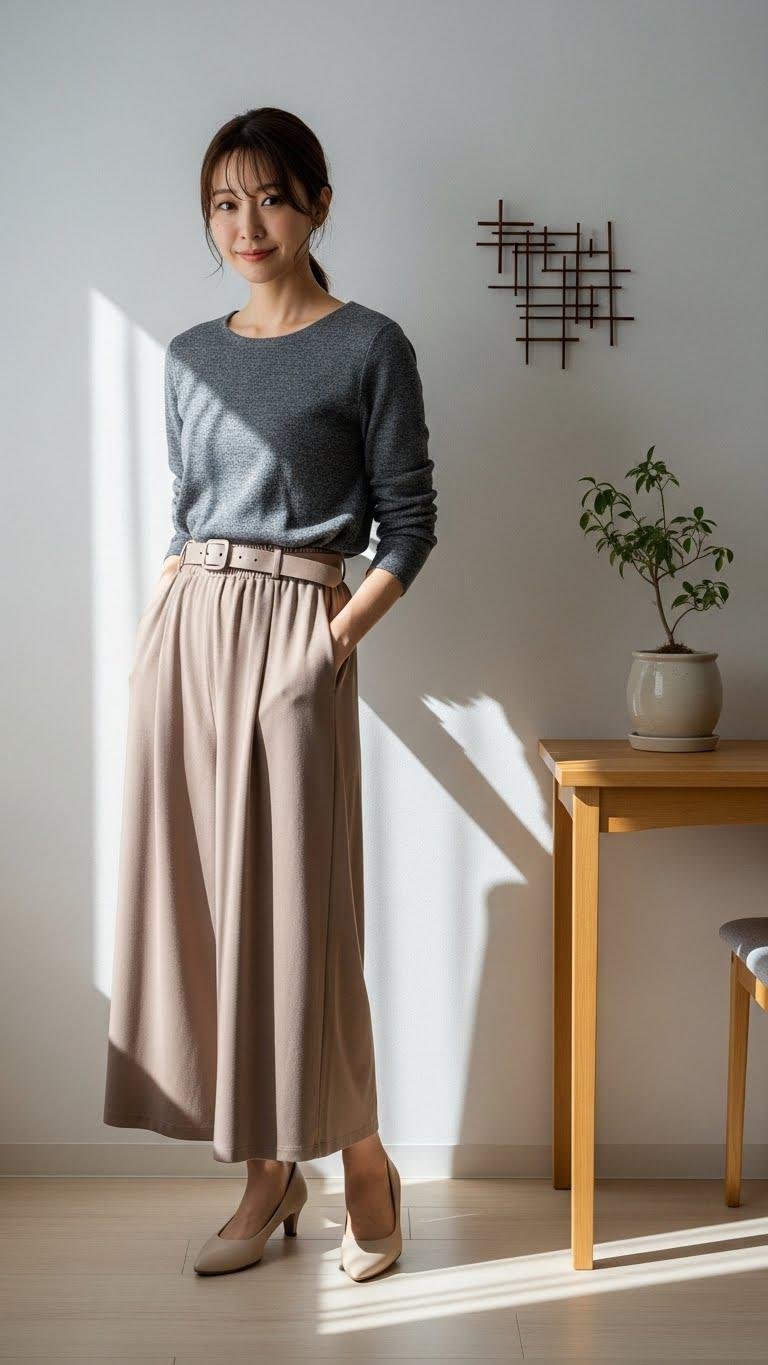
Having settled on a restrained palette that lets your eye rest, bring that same clarity to the entryway by designing smart storage that both looks intentional and works hard.
You’ll choose streamlined entry storage—bench with concealed bins, shallow cabinets, wall-mounted key organizers—and define zones for shoes, bags, and mail. This lets you move freely, keep clutter minimal, and arrive home calm.
Place Plants Near Seating Areas for Visual Relief
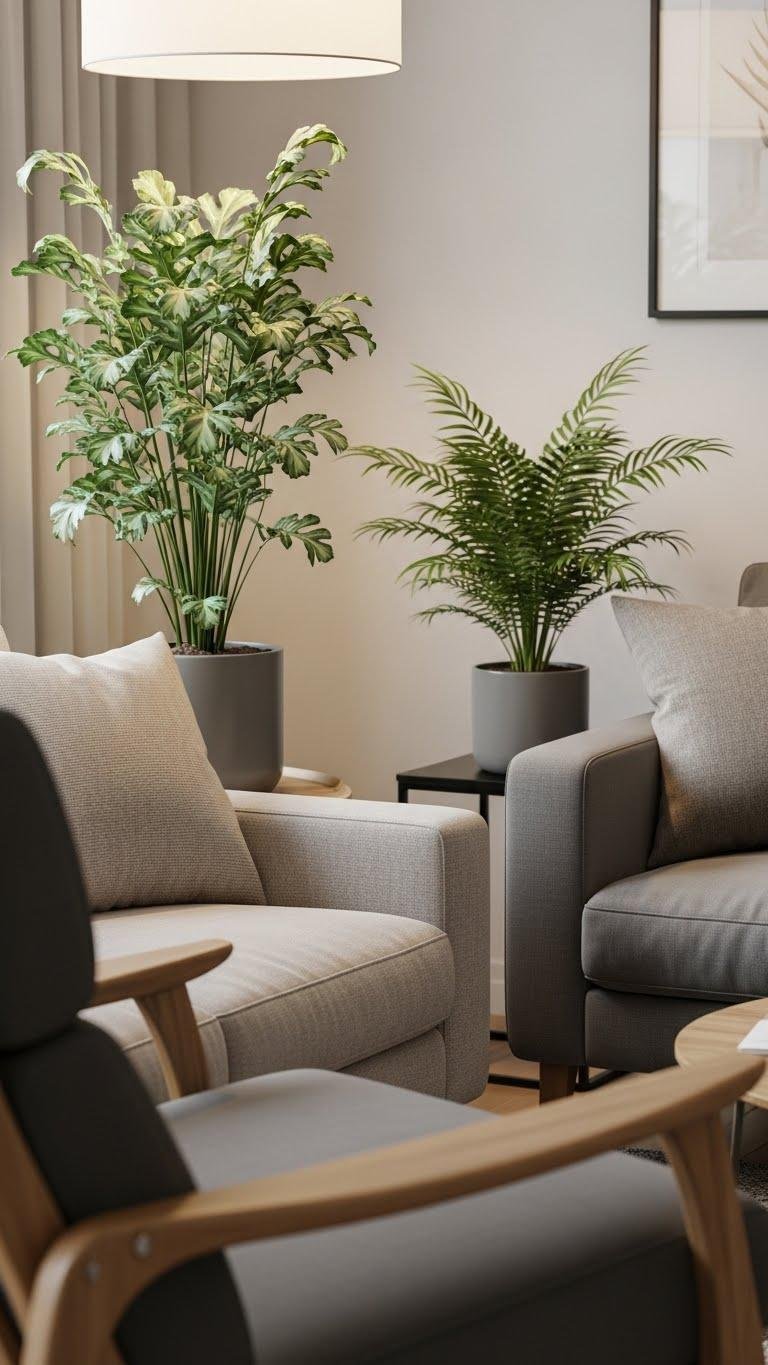
Often a single well-placed plant can soften a seating area and give your eyes a peaceful place to rest; position greenery at the edge of a sofa or beside a lounge chair to create gentle vertical contrast and a sense of enclosure without crowding the conversation zone.
Use seating plant stands and portable potted palms for height and mobility, choosing muted pots and sculptural foliage to keep the space calm.
Use Organic Shapes in Rugs and Decor
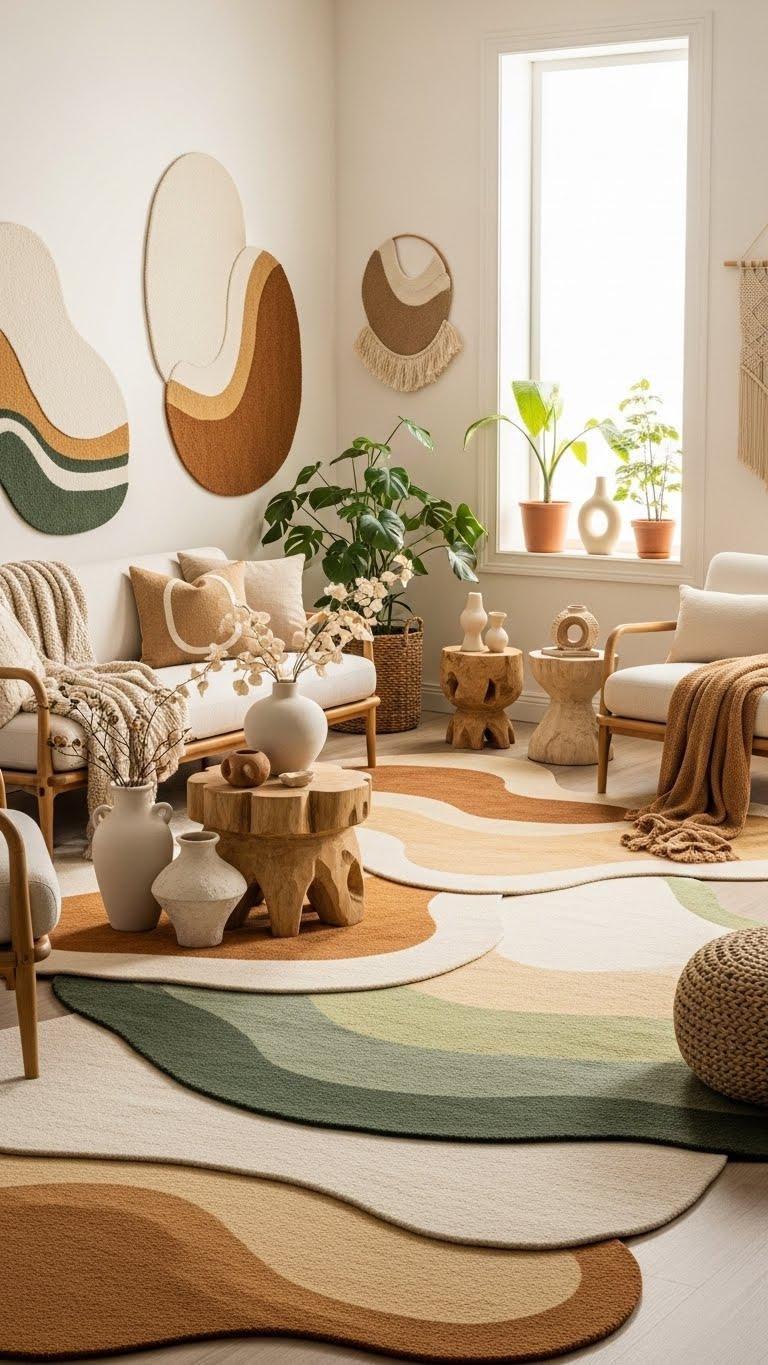
When you layer rugs and decor with soft, organic shapes, the room instantly feels more relaxed and visually cohesive.
Choose freeform rugs to break rigid lines and anchor seating without confinement. Pair them with organic wallhangings that echo curves and natural palettes, and keep scale balanced so movement flows.
You’ll create a calm, liberated atmosphere that feels intentional and effortlessly serene.
Introduce Subtle Texture Through Throw Layers
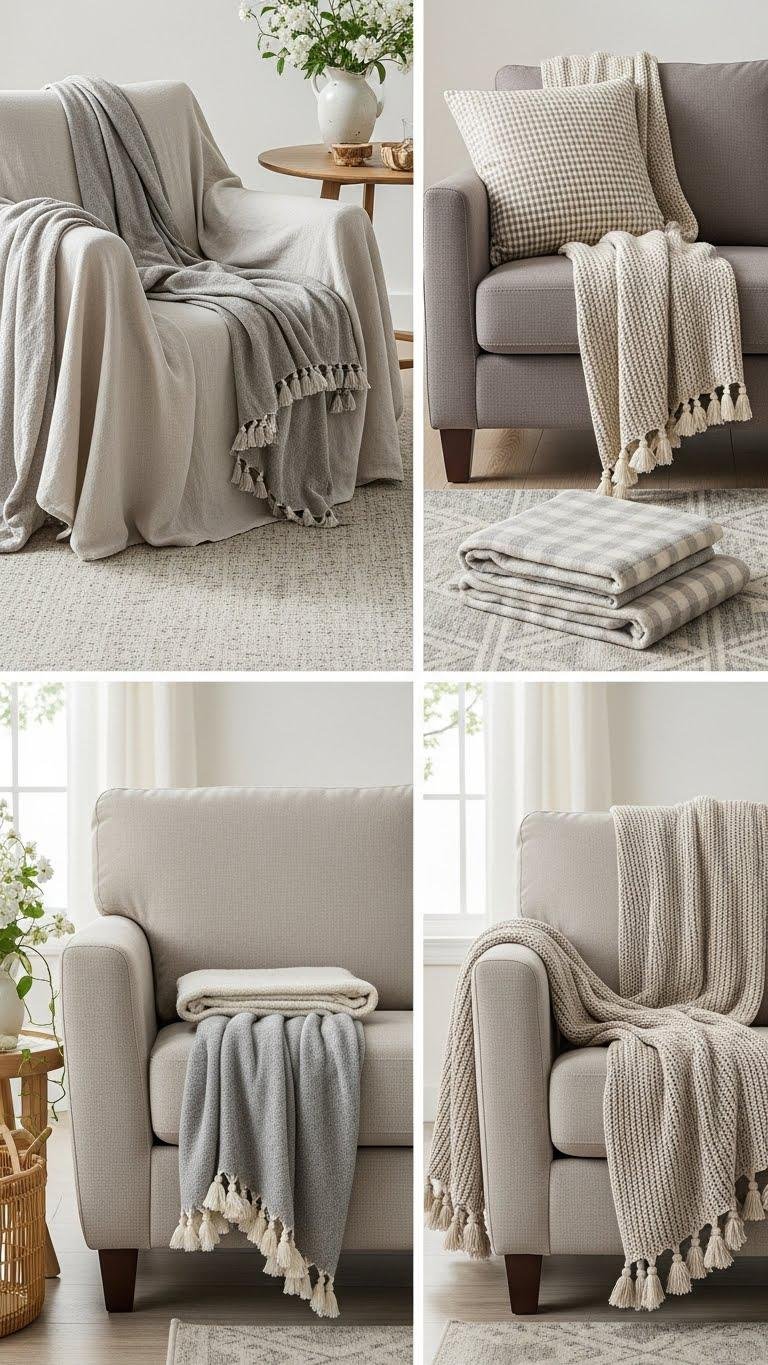
Usually, you’ll create depth and warmth simply by layering lightweight throws over seating—drape a linen throw casually across an armchair, tuck a soft wool blanket at the end of a sofa, and add a textured knit over the back of a loveseat.
Then, mix neutral fibers and subtle patterns so you can relax; choose linen throws with tassel edges for effortless, free-spirited polish and tactile contrast.
Frame Peaceful Outdoor Views
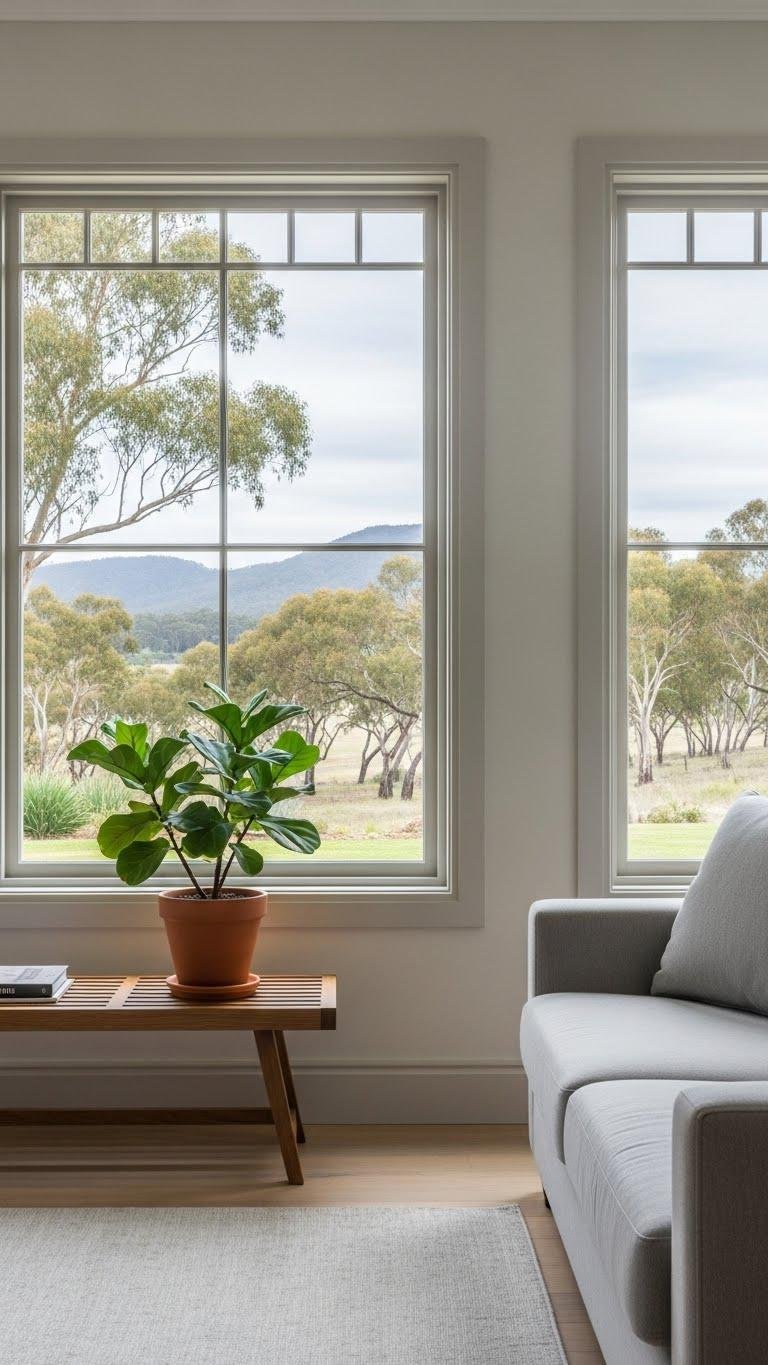
If you want your home to feel calmer, treat windows and doors as intentional frames for the landscape beyond: crisp, uncluttered sightlines and simple trim let light and views become part of the room’s design. You’ll shape a framed horizon with subtle mullions, minimal hardware, and neutral drapery. Create a focused window vignette — a single plant, slim seat — to invite breath and quiet freedom.
Arrange Furniture to Promote Easy Flow
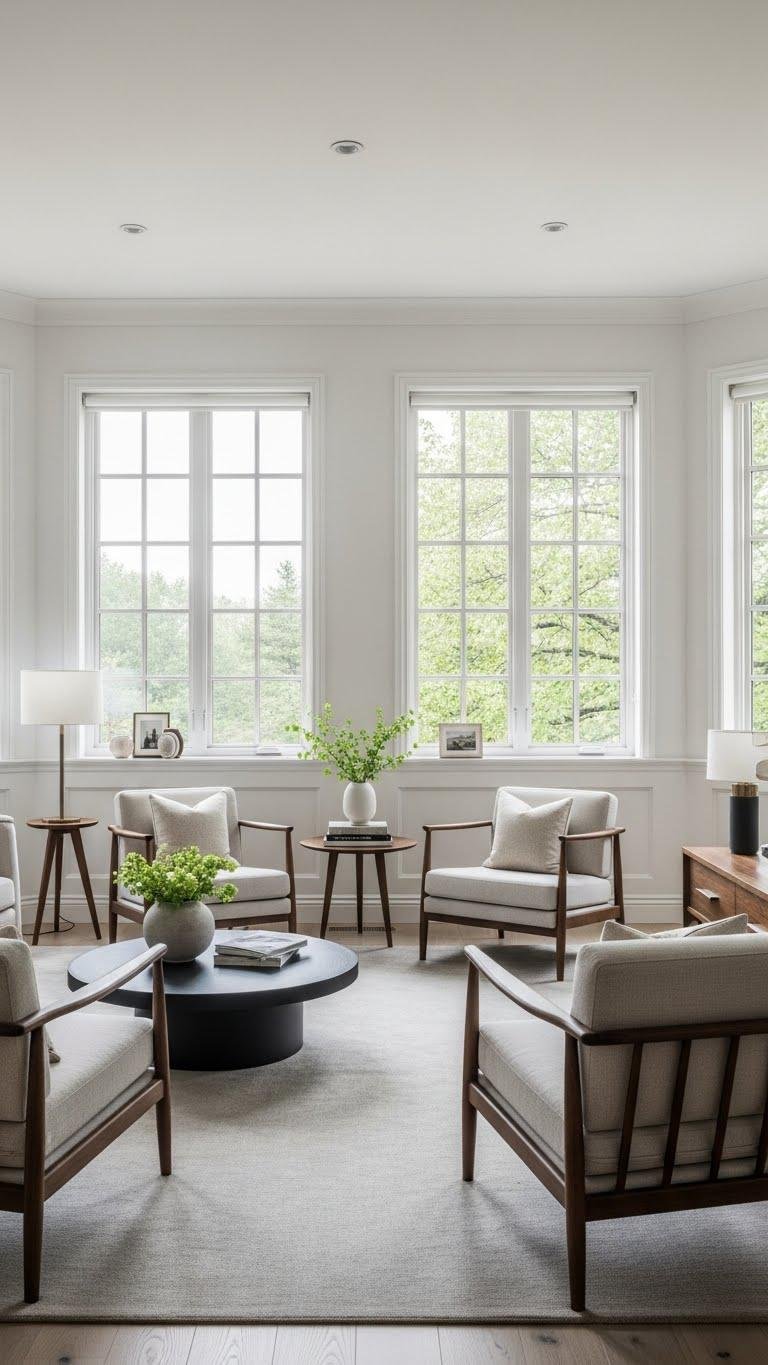
Let the framed views set the mood, then arrange furniture to keep that calm uninterrupted: orient seating so sightlines to the windows stay open, avoid blocking natural walkways, and keep pieces scaled to the room’s proportions. You’ll create floating pathways and open sightlines that invite movement, choose low-profile pieces, and balance negative space so rooms feel free, intentional, and effortless.