
You’ll calm your home by making intentional choices that reduce visual noise and invite slow, restorative moments. Think layered neutrals, muted blues or greens, natural textures, and roomy storage that keeps surfaces breathing. Small shifts — a unified wall-and-ceiling hue, dimmable warm light, a few low-maintenance plants — change how you feel every day. Keep going to see 23 practical ways to shape a quieter, more collected sanctuary.
Use a 60/30/10 Color Balance

Start by choosing a dominant base color that covers about 60% of the room — walls, large rugs, and major furniture pieces — then add a secondary color for roughly 30% of the space through upholstery, curtains, or an accent wall, and finish with a bold 10% in accessories like pillows, art, and lamps.
You’ll apply color psychology and subtle contrast experiments to craft a calm, liberating space.
Paint Walls and Ceilings the Same Hue
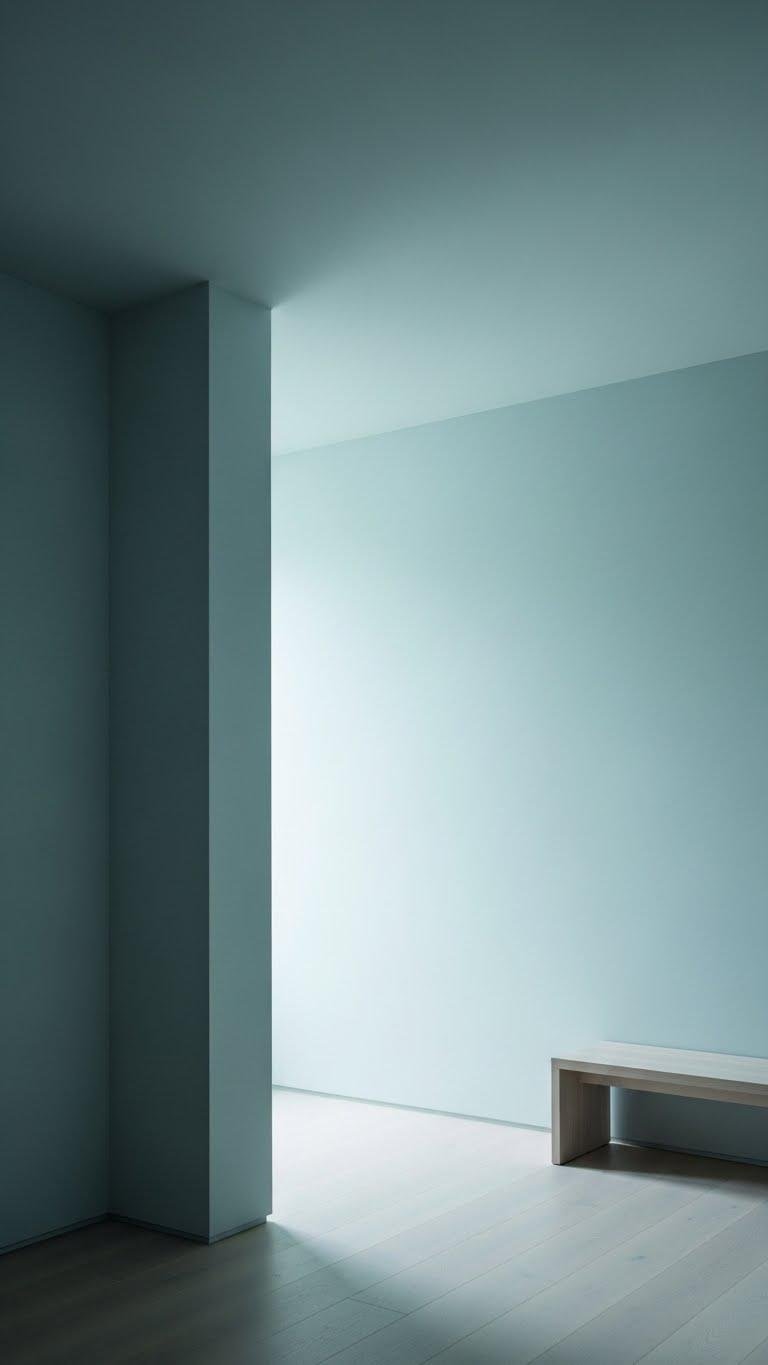
By painting the walls and ceiling the same hue, you’ll create a seamless, sheltering envelope that visually raises the space and calms the eye.
Choose a soft matte finish to reduce glare and encourage relaxed focus.
You’ll appreciate how seamless shifts blur edges, simplify sightlines, and free your attention—letting the room feel open, intentional, and quietly liberating without visual clutter.
Choose Muted Earthy Neutrals
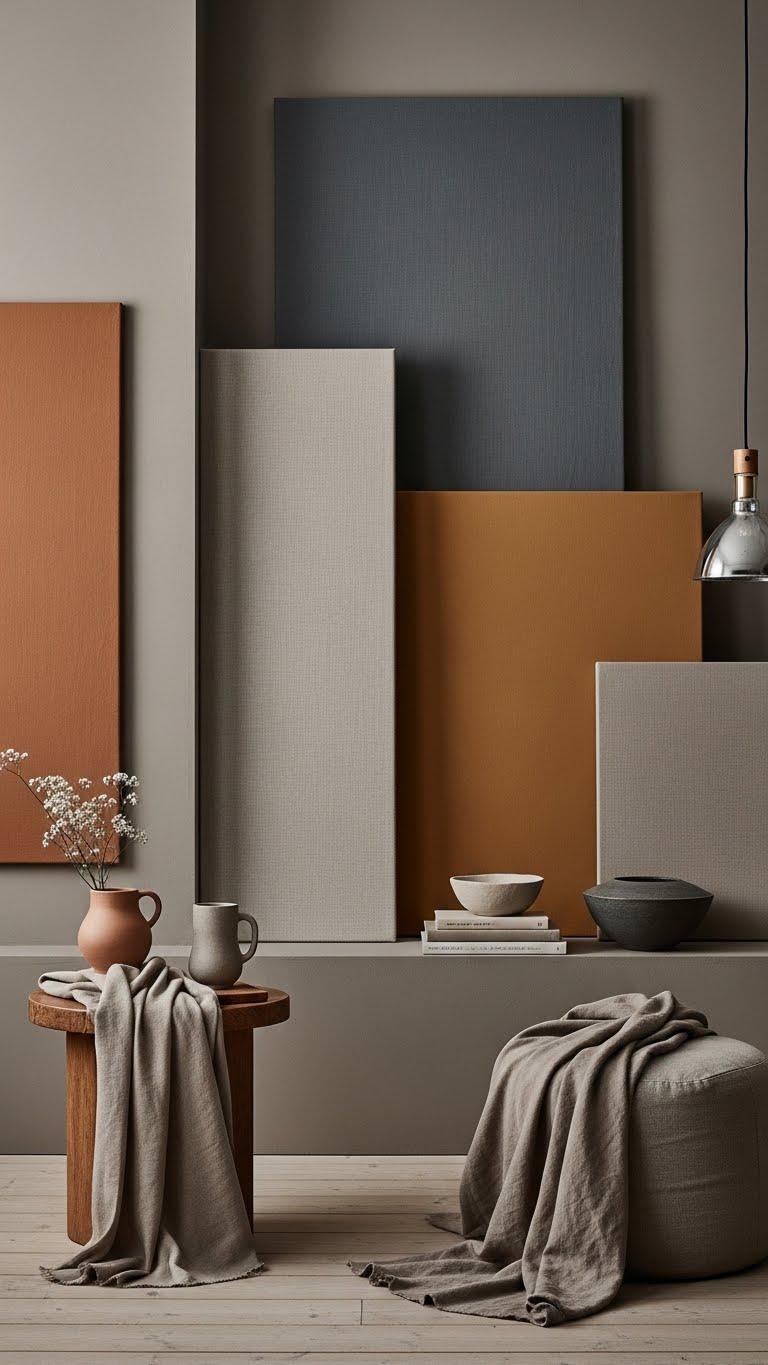
A handful of muted, earthy neutrals—think warm clay, soft ochre, driftwood gray, and moss-kissed taupe—will ground a room without shouting for attention.
You’ll layer muted textures like linen and brushed wool to invite touch, and balance earthy contrasts through matte and satin finishes.
Choose pieces that breathe; restrained color lets you move freely and shape calm, intentional spaces.
Create a Monochromatic Palette With Varied Shades

If you’ve settled on muted, earthy neutrals, you can tighten the calm by choosing a single hue and exploring its range. Embrace monochrome texture—linen, matte plaster, soft wool—to add interest without distraction.
Layer shade gradients from pale to deep to create depth and movement. You’ll craft a liberated, cohesive space where simplicity feels intentional and every element breathes.
Opt for Cool Calming Colors Like Blue and Green
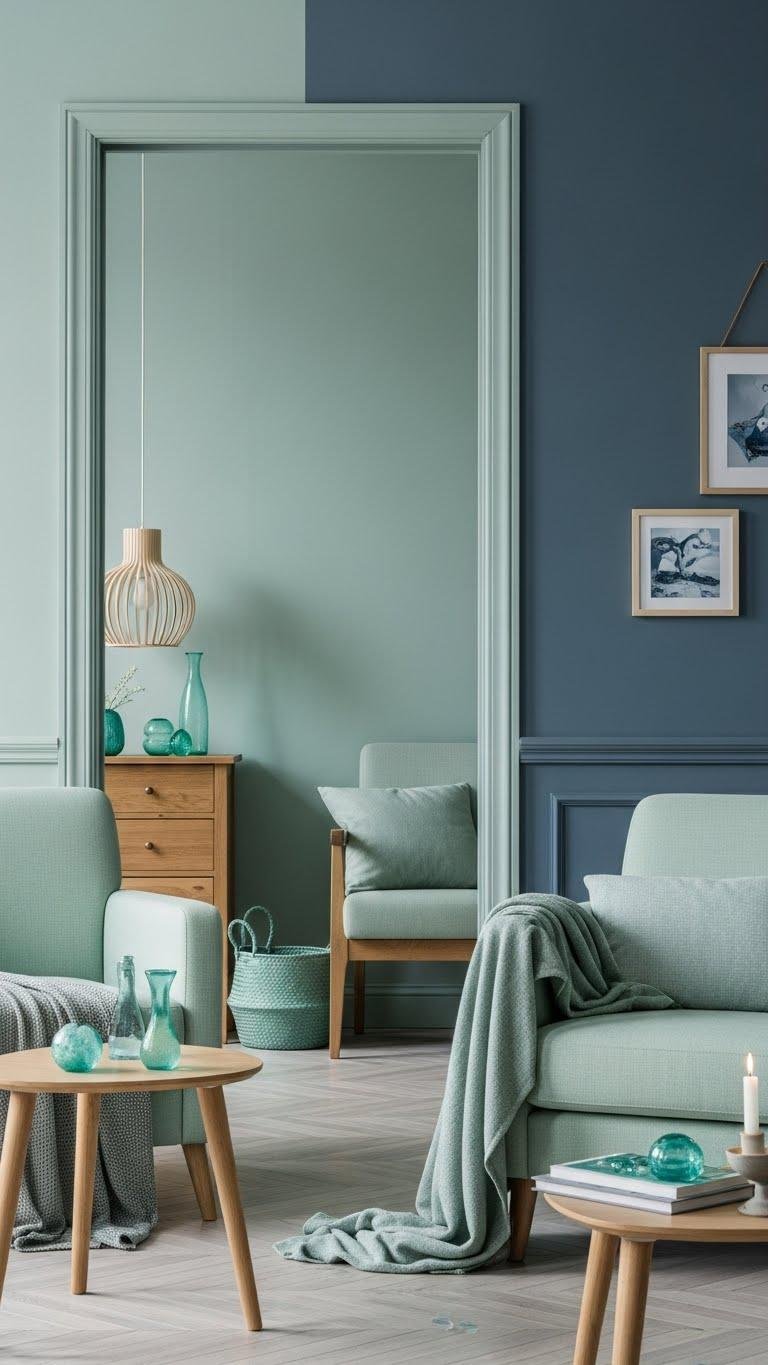
Drawing on nature’s soothing palette, choosing cool blues and greens instantly lowers a room’s visual temperature and mood, so you’ll want to pick tones that feel deliberate—think muted seafoam, stormy slate, or soft sage rather than saturated brights.
Pair sea glass accents with textured aqua textiles, balance with warm wood and matte metals, and keep contrast gentle to preserve calm while expressing your independent style.
Maximize Natural Light
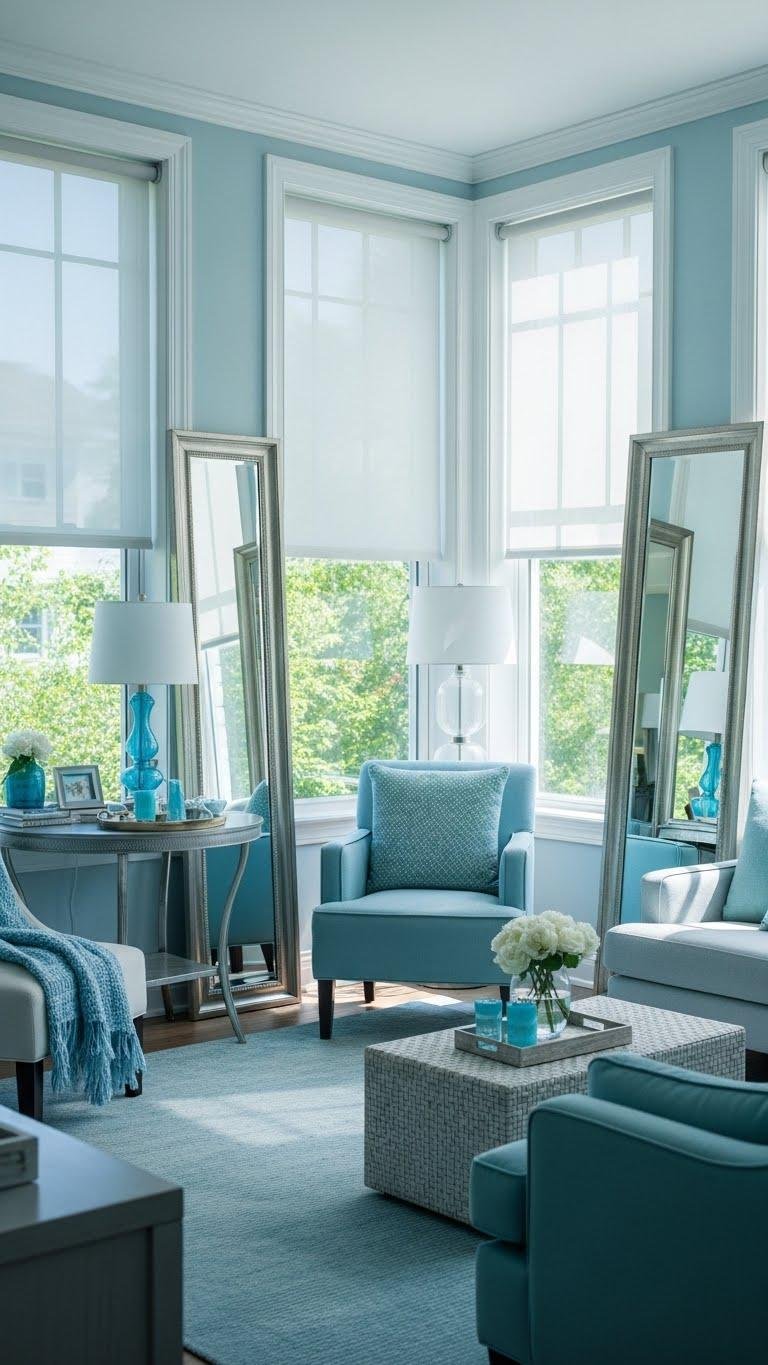
Now that you’ve settled on cool, calming hues, let light become the room’s other soft element—maximize natural illumination to make blues and greens sing without overwhelming the senses.
Position mirrors to reflect daylight, choose translucent window treatments for privacy without loss of glow, and arrange furniture to invite sun paths.
Embrace daylight layering with varying textures to keep spaces airy and liberating.
Layer Warm, Low-Kelvin Lighting

Softening a room with warm, low-Kelvin lighting brings depth and comfort that cool daylight can’t provide.
You’ll create warm layers by combining overhead dimmers, floor lamps, and task lights placed at varying heights.
Focus on careful bulb selection—choose 2200–2700K for true warmth, high CRI for color fidelity, and adjustable output so you’re free to set mood and calm with precision.
Embrace Curved Furniture and Rounded Forms
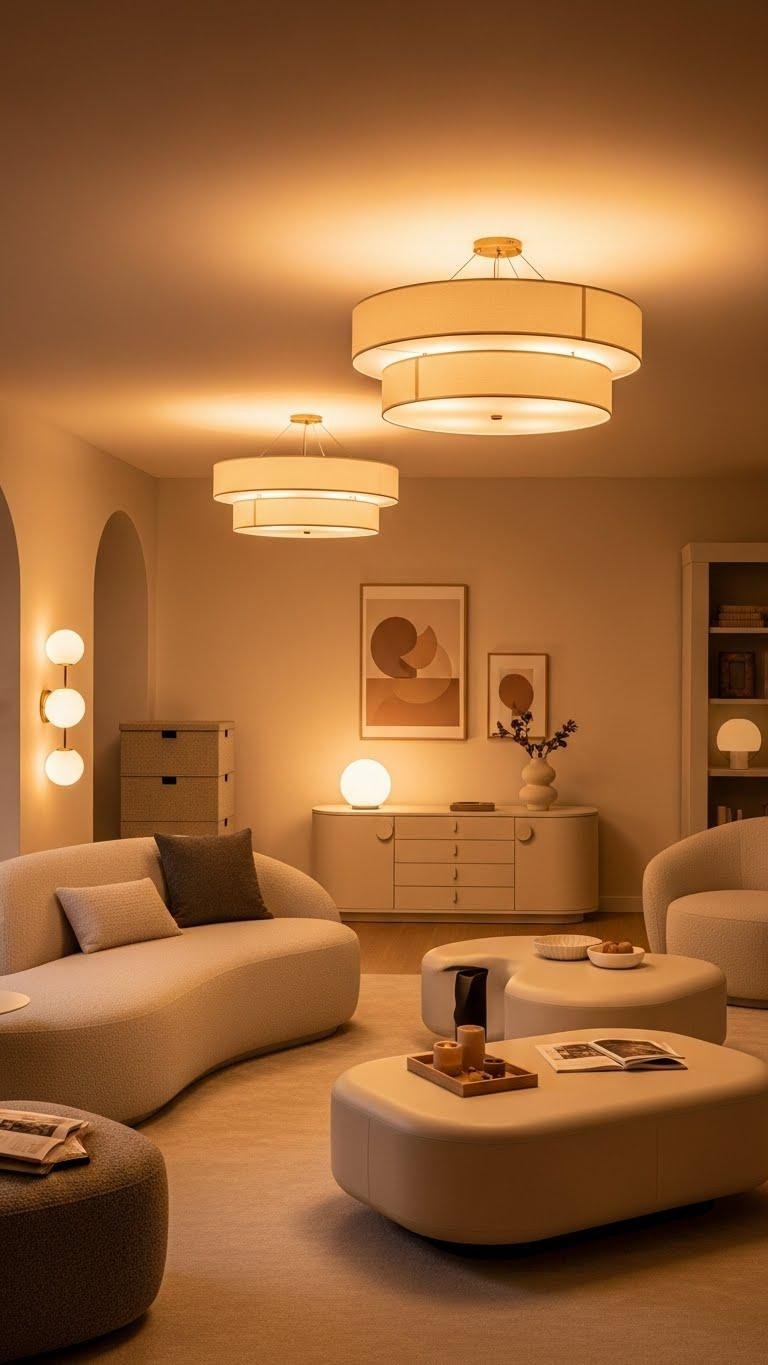
Warm, layered lighting makes a space feel safe and inviting, and curved furniture echoes that comfort with shapes that cradle and soothe. You’ll choose rounded lighting and soft-edged sofas to dissolve sharp lines, pair curvy storage with low, flowing tables, and pick tactile fabrics that encourage lingering.
These deliberate choices free you, creating calm circulation and a gently liberated interior rhythm.
Integrate Nature-Inspired Geometry and Fractals
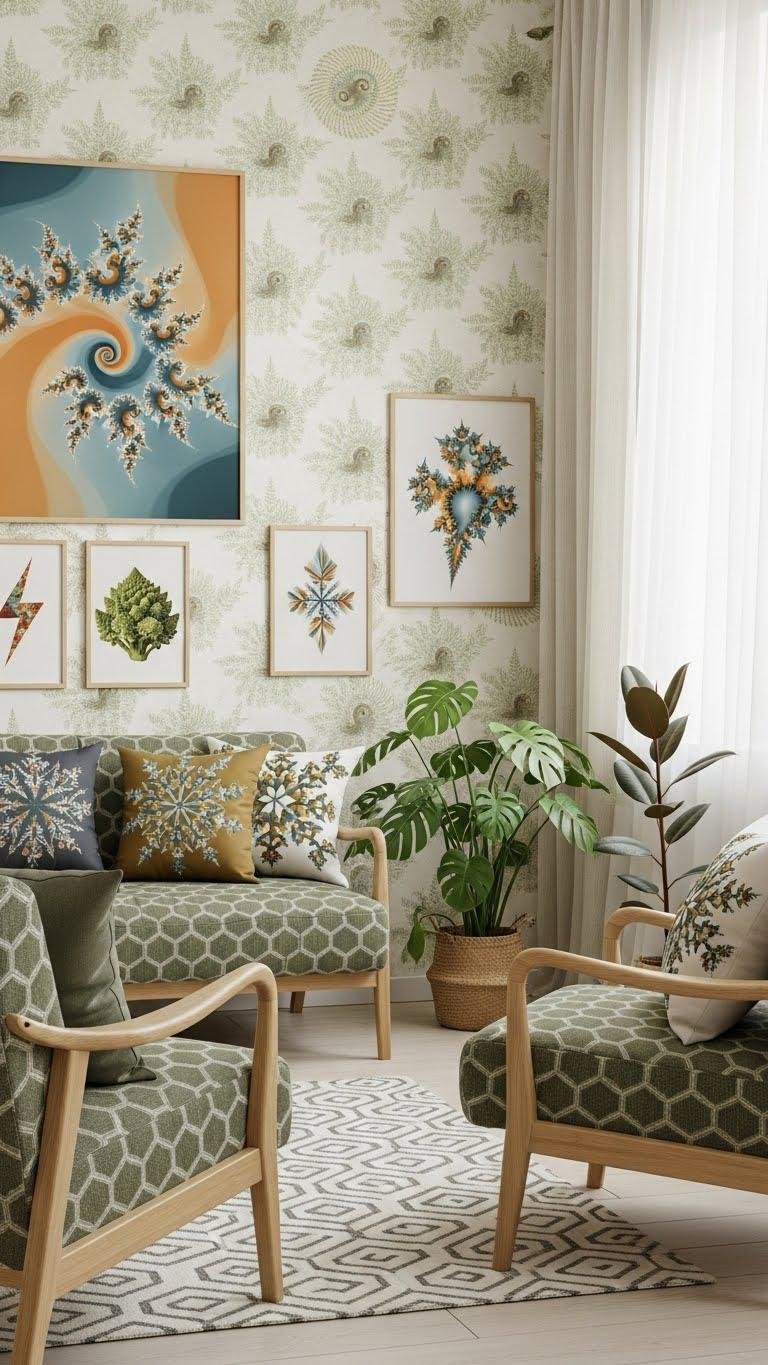
Bring natural order into your rooms by echoing the geometry of leaves, shells, and branching patterns—fractals that your eye reads as familiar and calming. You’ll choose textiles, wallpaper, and art that use fractal patterns and bio inspired geometry to guide sightlines, reduce visual noise, and invite focus.
Subtle repetition and proportion free you to relax while design feels purposeful and alive.
Add Indoor Plants for Mood and Air Quality
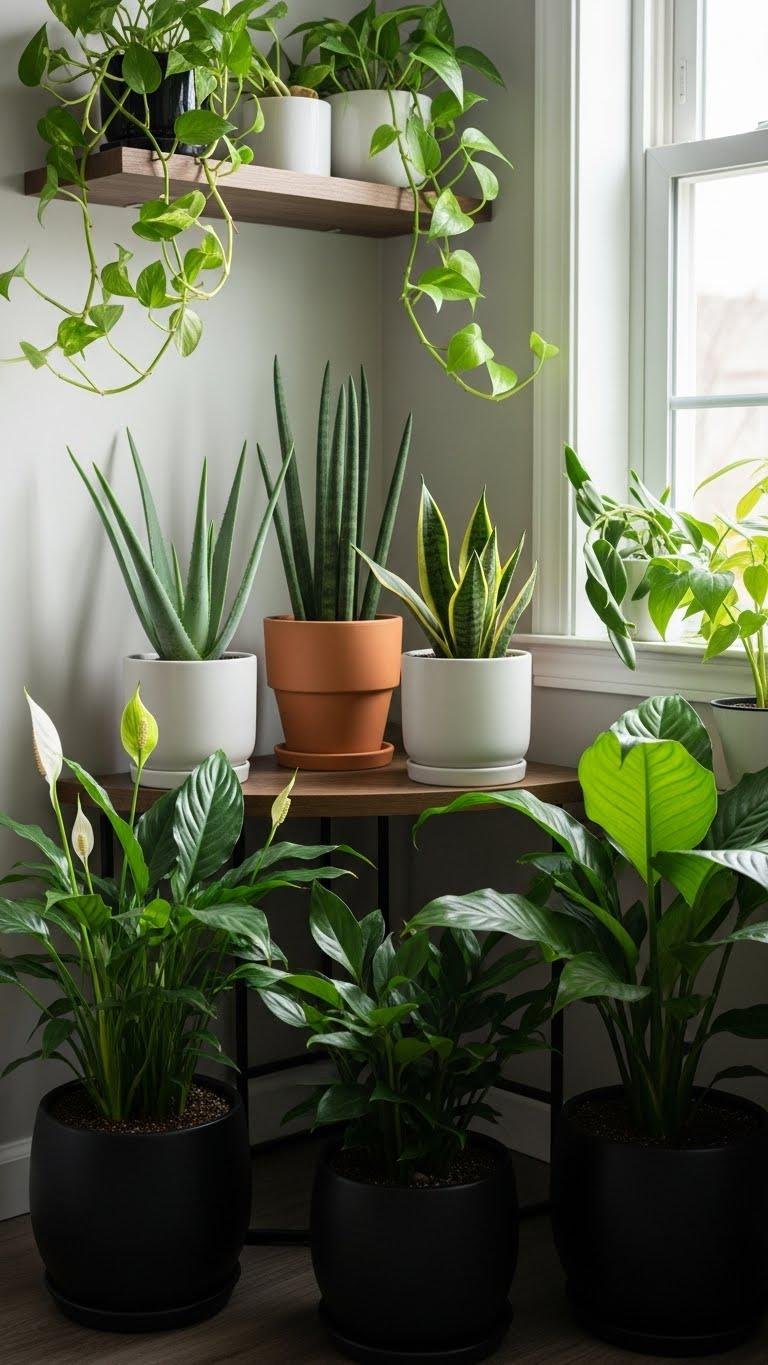
Introducing indoor plants lifts mood and cleans the air while also anchoring your room’s aesthetic with living texture and color.
You’ll choose low light plants for shaded corners and place air purifying succulents on shelves to detoxify subtly.
Arrange varied heights, tactile leaves, and simple pots to evoke calm.
Care routines stay minimal, granting you freedom while improving wellbeing and visual harmony.
Use Timber and Natural Materials
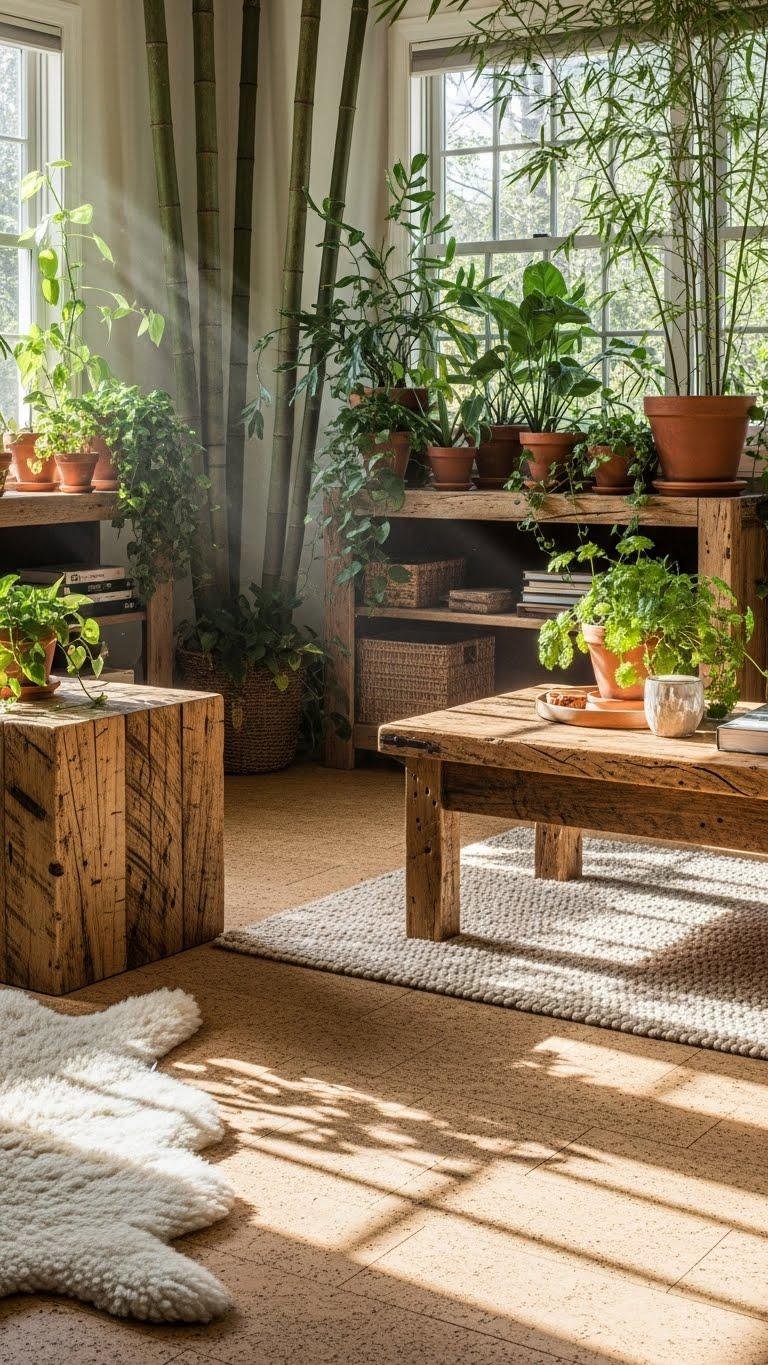
After you’ve settled greenery into the room, layer in timber and other natural materials to deepen that sense of calm and connection. Choose reclaimed timber for furniture to celebrate history and sustainability, highlight tactile grain in tabletops and shelving, add bamboo accents for lightness and movement, and install cushioned cork flooring for warmth underfoot.
These choices keep your space free, grounded, and intentional.
Incorporate Stone and Textured Surfaces
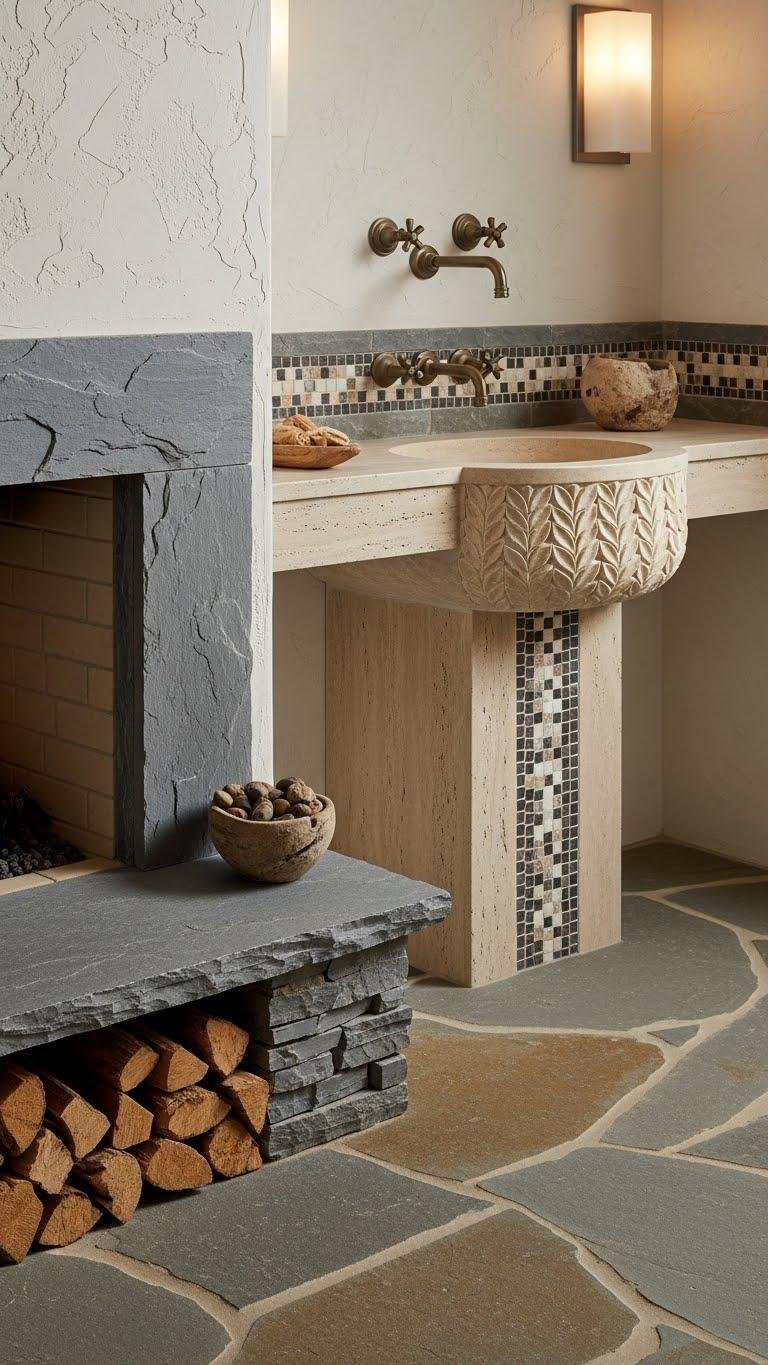
A slate hearth or a hand-carved travertine basin can anchor a room and add an elemental calm that wood alone can’t provide. You’ll layer stone mosaics as focal ribbons, introduce raw flagstone floors and subtle honed countertops, and use tactile plastering on walls to catch light.
These textures grant sensory richness while keeping lines simple, freeing you to relax and move with ease.
Hide Branding and Labels to Reduce Visual Clutter
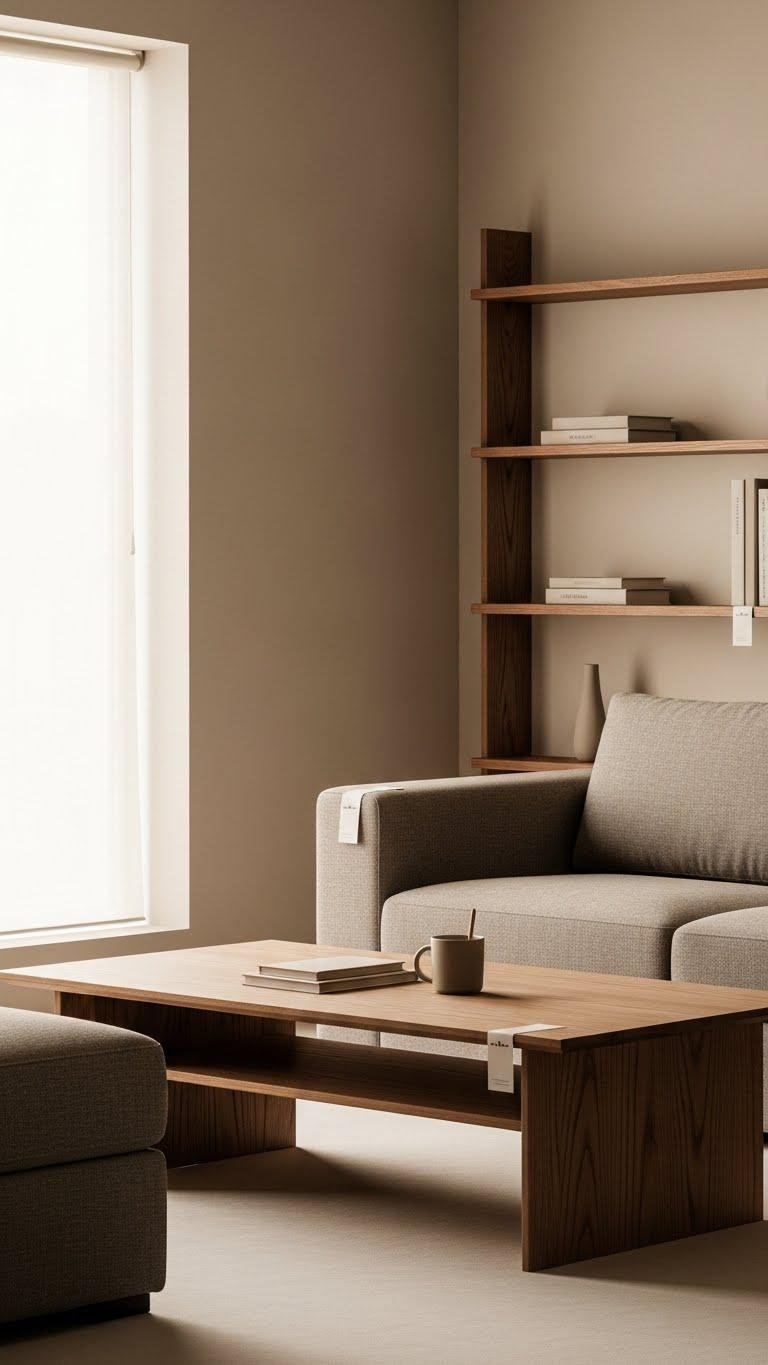
When you strip away logos and conspicuous labels, a room feels calmer and more intentional; your eye rests on form, material, and light instead of marketing. You can remove visible branding, replace bright stickers with hidden labels on undersides, or apply subtle decals that match surfaces.
These small edits let you curate a freer, quieter space where texture and proportion guide attention, not corporate marks.
Invest in Clever Concealed Storage Solutions
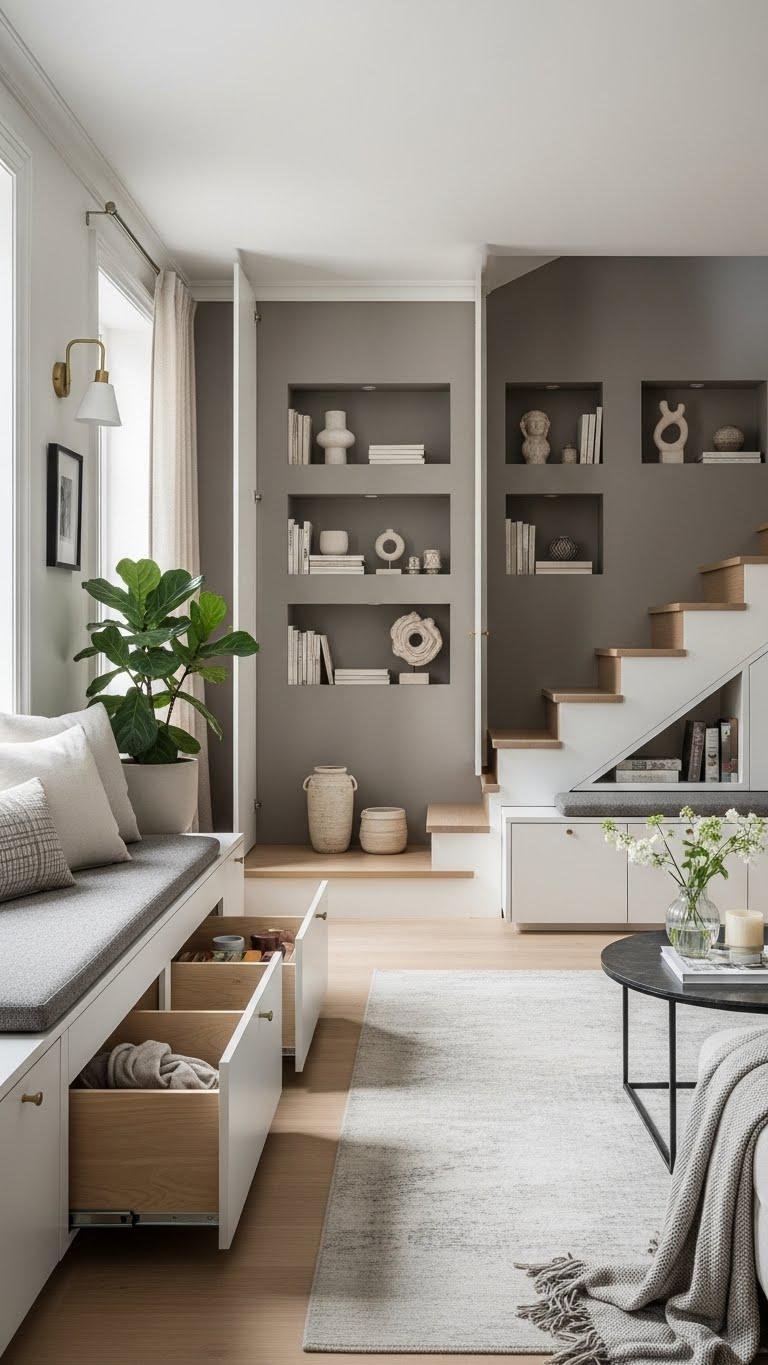
Tuck clutter out of sight with storage that’s designed to disappear into the room’s architecture and materials. You’ll choose concealed cabinetry that matches finishes and hides daily items, creating calm surfaces and visual breathing room.
Think pull-out drawers in benches, wall niches, and under stair storage with organized compartments. These solutions let you move freely, keep essentials accessible, and preserve a serene, uncluttered home.
Layer Soft Textures: Linen, Cotton, and Silk

Clearing away excess gives you the canvas to introduce soothing fabrics that quietly shape a room’s mood. You’ll favor linen layering for breathable drapes and throw covers, pairing cotton throws for everyday comfort.
Choose muted palettes, varied weaves, and tactile contrasts so each piece breathes. Add restrained silk accents — a pillow or bed scarf — to catch light and elevate calm without clutter.
Use Oval and Round Rugs to Soften Spaces
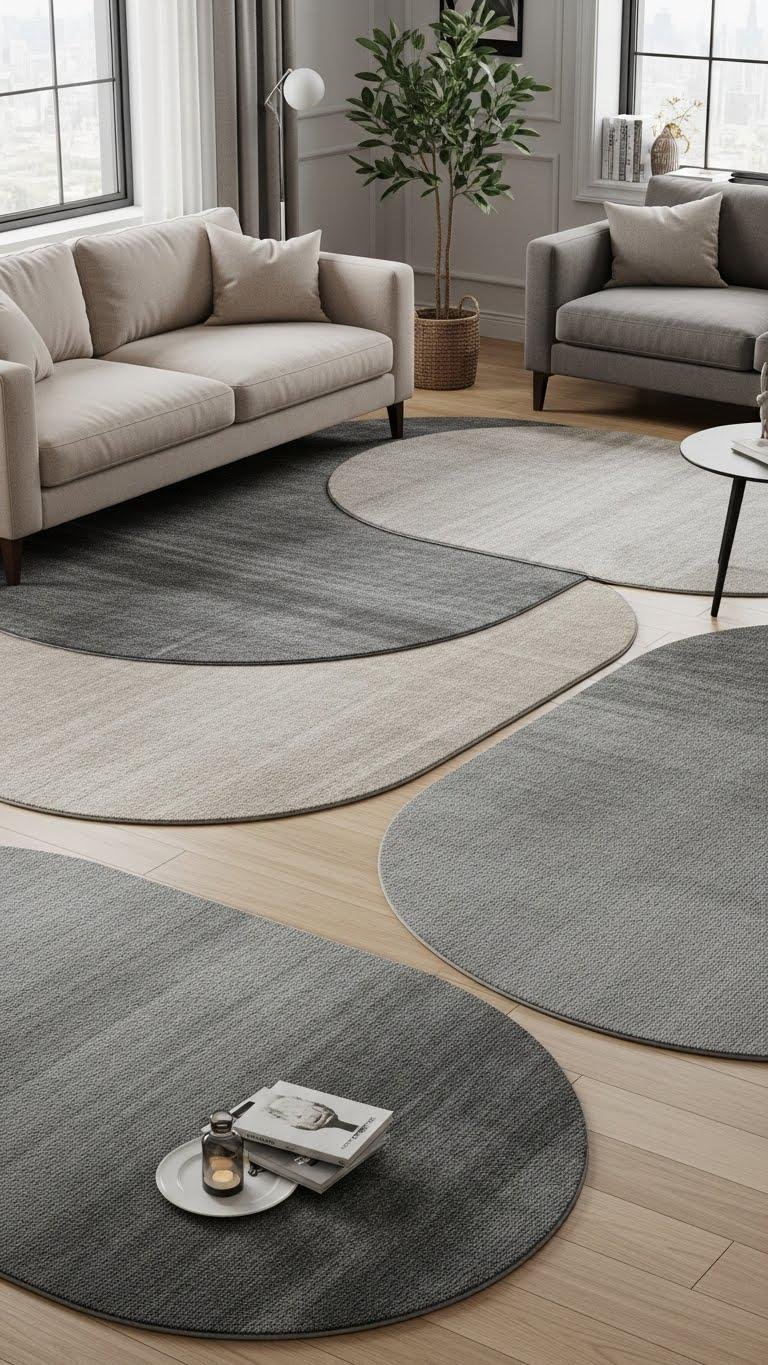
Softening a room with oval and round rugs lets you break up angular lines and create gentle circulation, especially in spaces anchored by square furniture or hard-edged architecture.
You’ll choose soft circulars in muted tones to guide movement and calm sightlines. Use subtle rug layering for texture contrast and optical depth, keeping patterns restrained so the room feels open, airy, and freely composed.
Balance Proportion and Scale of Furniture
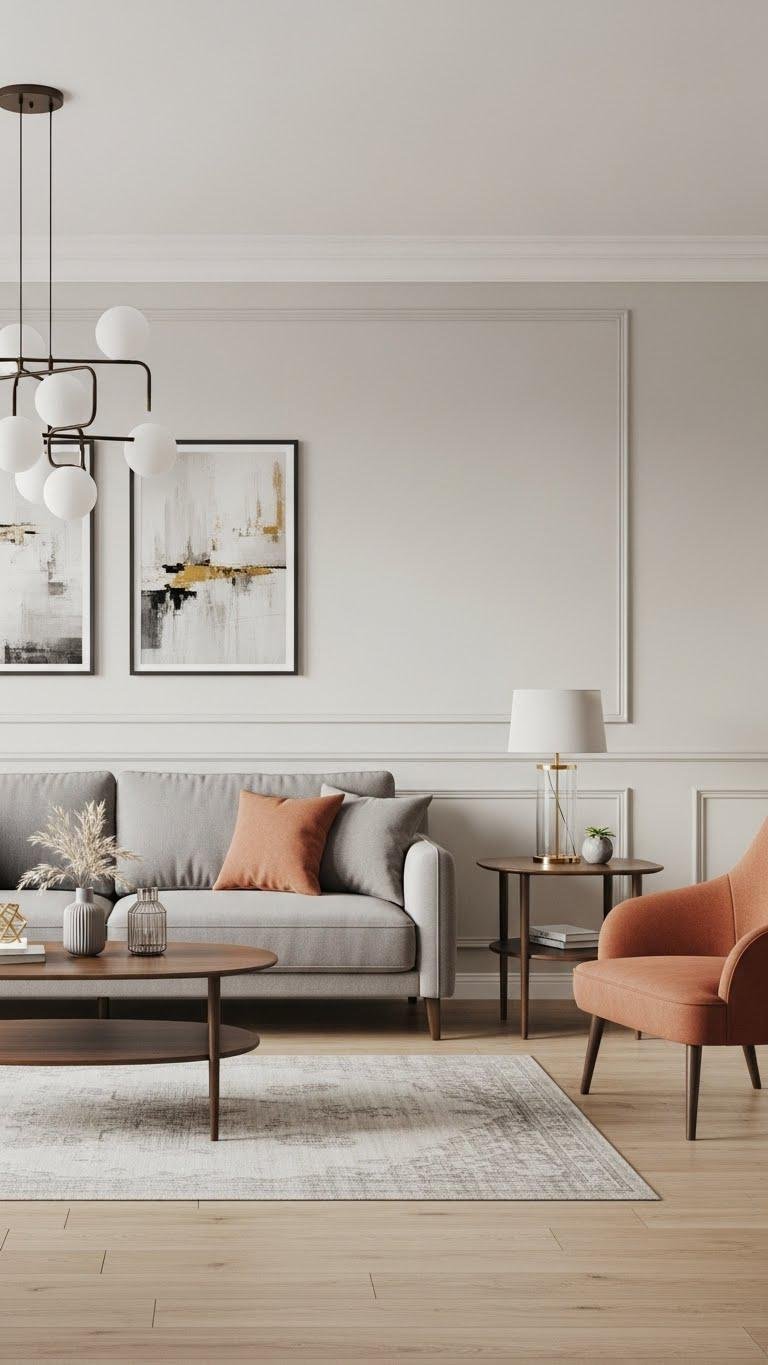
Scale matters: choose furniture that relates to the room’s dimensions and to each other so nothing feels cramped or swallowed. You’ll establish calm by respecting scale rhythm—alternating heights and depths so movement feels natural.
Prioritize proportion hierarchy: anchor with a dominant piece, then balance with subordinate items. This lets you design freely, creating airy, purposeful layouts that honor space and personal ease.
Create Calm Vignettes With Simple Accessories

Set small, intentional vignettes around the room to guide the eye and calm the mind: pick a simple tray, a low stack of books, a single vase with a stem, or a small sculptural object and group them with deliberate spacing.
You’ll craft a mini vignette that reads like breath—a tactile grouping of textures and finishes that feels open, purposeful, and effortlessly freeing.
Introduce Natural Color Accents in 10% Pops

After you’ve arranged those quiet vignettes, introduce small, natural color pops to lift the room without breaking its calm. You’ll pick a restrained palette, letting accent cushions provide warmth and rhythm while terracotta ceramics add grounded texture. Use the 10% rule: dedicated touches in one or two spots, balanced and intentional, so your space feels liberated yet composed.
Maintain Visual Continuity With Fewer Breaks
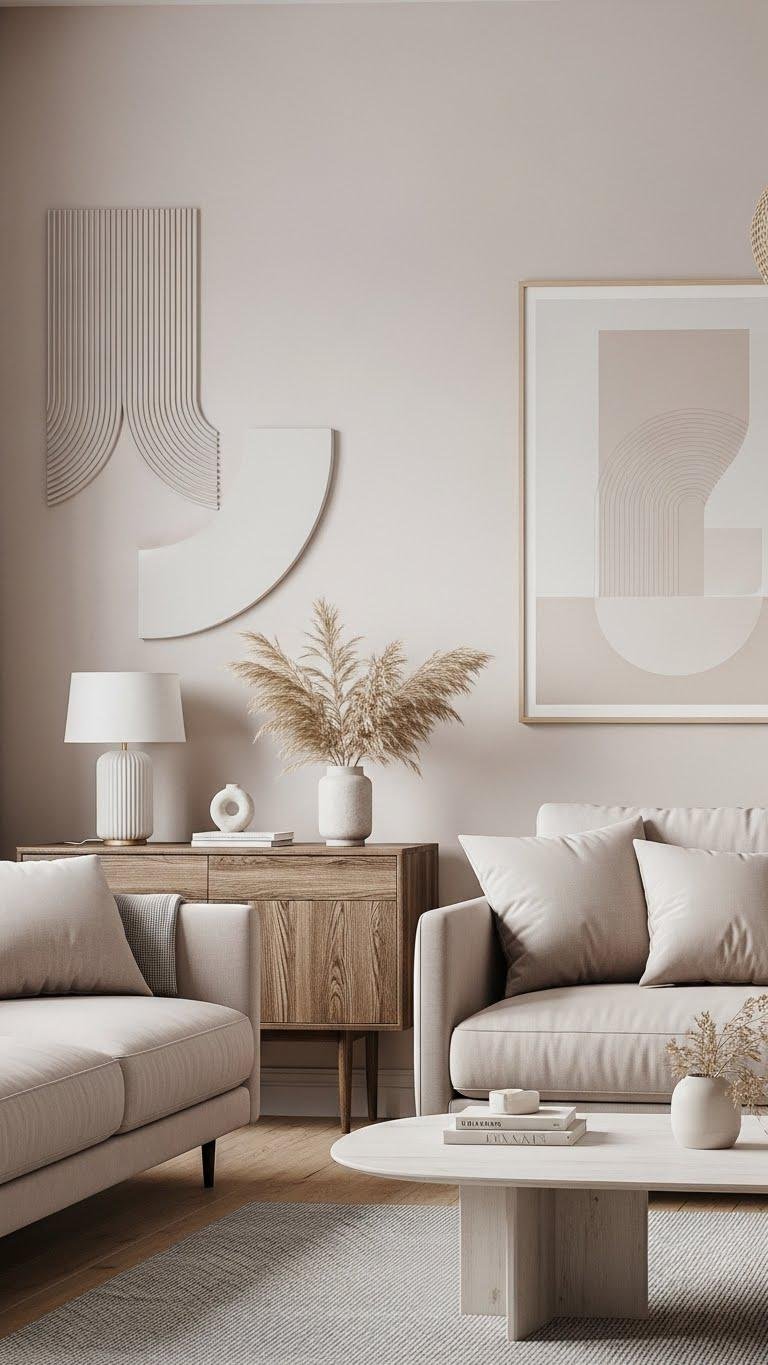
When you reduce visual interruptions, a room reads as calm and cohesive, letting your eye move easily from one thoughtful vignette to the next. You’ll create soft shifts between zones, unify materials and muted tones, and respect visual hierarchy so focal points breathe.
Choose fewer contrasting elements, repeat shapes and textures, and arrange furnishings to promote effortless flow and liberating simplicity.
Embrace Wabi-Sabi Imperfections and Natural Wear
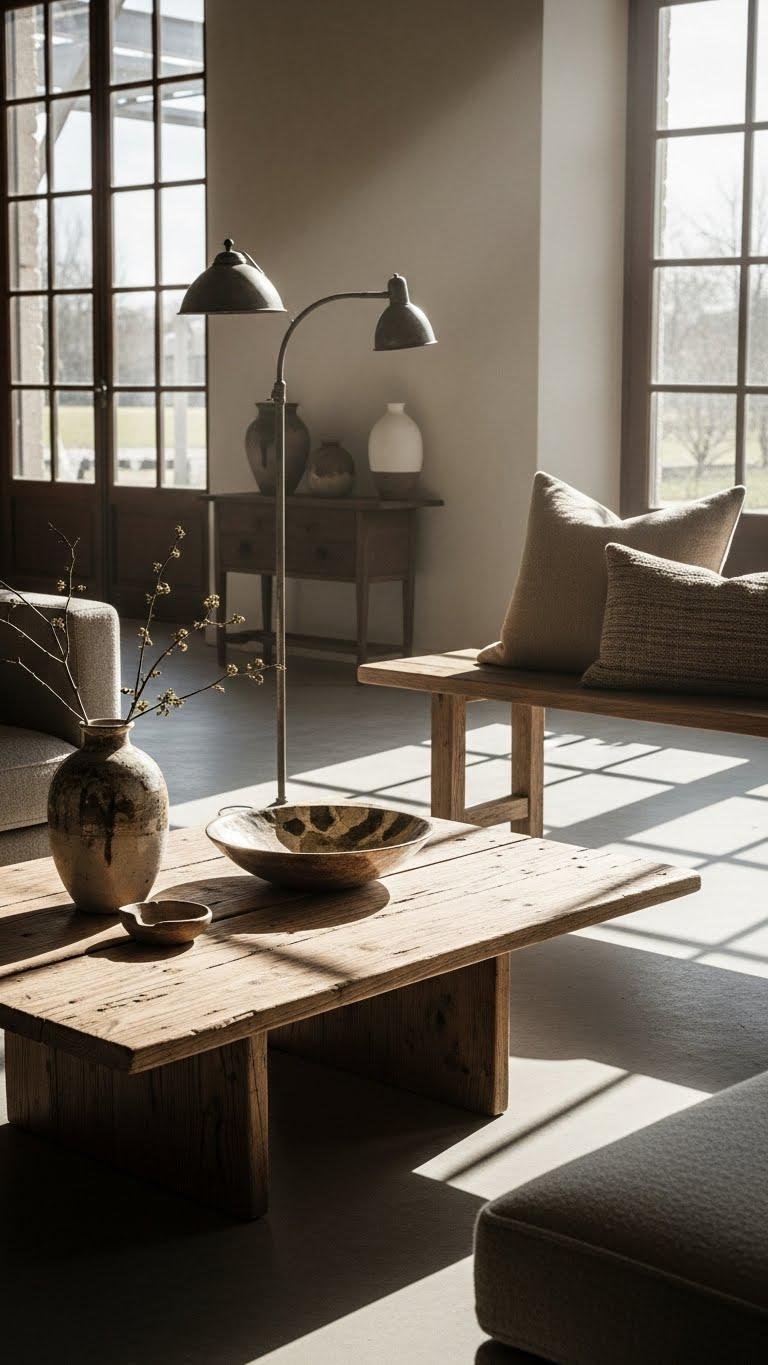
You’ll find calm in the imperfect: Wabi-sabi invites you to celebrate natural wear, patina, and subtle flaws as essential design elements rather than faults to hide.
You’ll learn to value rustic blemishes on wood, the aged patina of metals, and soft uneven textures. Choose purposeful repairs, pared-back furnishings, and open layouts that let freedom and authenticity breathe through every surface.
Design for Comfortable Temperature and Airflow

Because thermal comfort shapes how you experience a room, design for temperature and airflow from the start: orient windows and vents to encourage cross-breeze, layer insulation and glazing to stabilize indoor temperatures, and choose materials that store or release heat gently so spaces feel consistently cozy.
Use passive cooling strategies, thoughtful vent placement, zoned shading, and thermal mass to give you effortless control and liberating comfort.